On Dec. 13, our campus community was shattered. Thousands of us at Brown University sheltered in place after a mass shooting that took the lives of two classmates and injured nine more, and the manhunt that followed. We remember the fear and confusion as some of us spent hours in the basement of the library, while others huddled in dorm rooms, dining halls, or bathrooms. The night dragged on, and we stayed hidden together until nearly 5 a.m., desperately trying to make sense of what was happening and clinging to each other for comfort. The vulnerability we felt was overwhelming, raw, and painful.
The next morning, exhaustion hung over us, but there was a faint sense of relief. The director of the FBI, Kash Patel, had expressed confidence that a person of interest had been detained, and for a moment, it felt like the nightmare might be over.
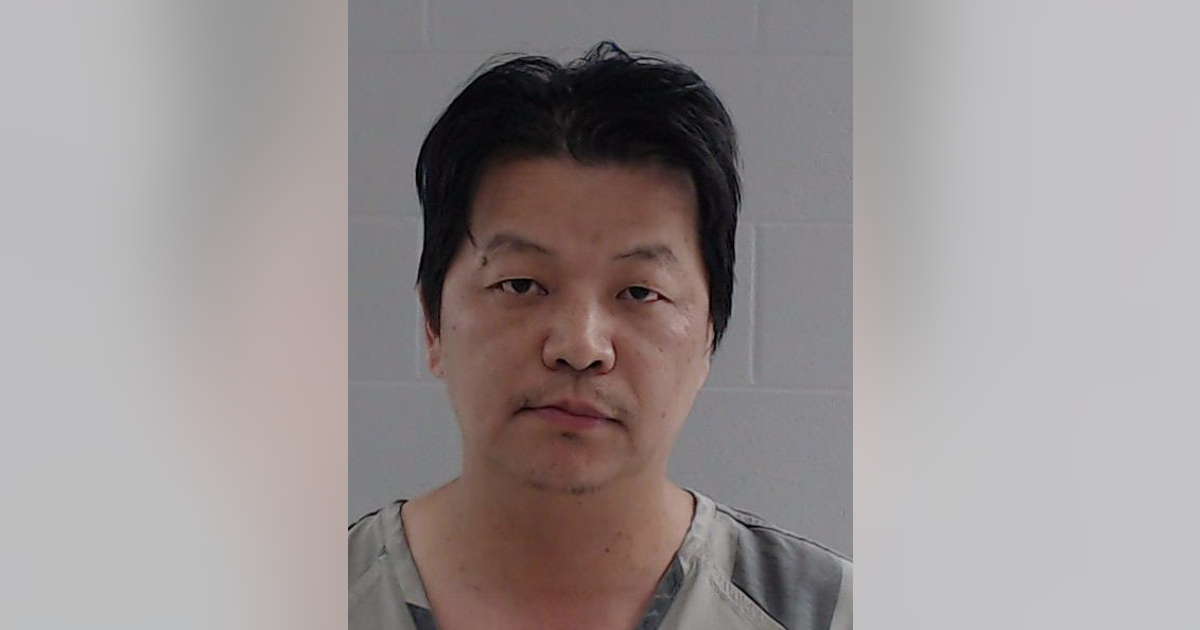
Only later did we understand how misplaced that reassurance had been. That evening, we learned that Patel had prematurely announced that a suspect had been captured. The man detained ultimately had no connection to the attack, and was released. As Senator Ed Markey put it plainly, “It’s just a further demonstration of how completely unqualified [Patel] is and how he has to be removed from his position.”
Since that night, many of us have tried to find the words for what we experienced. The truth is, most of us are still far from healed.
Every few weeks, something unexpected (the video transcript of the shooter’s last sickening and depraved words, and then the body camera footage) pulls us right back into those early hours. Each new detail about the shooting or the government’s response reopens wounds that have barely begun to heal.
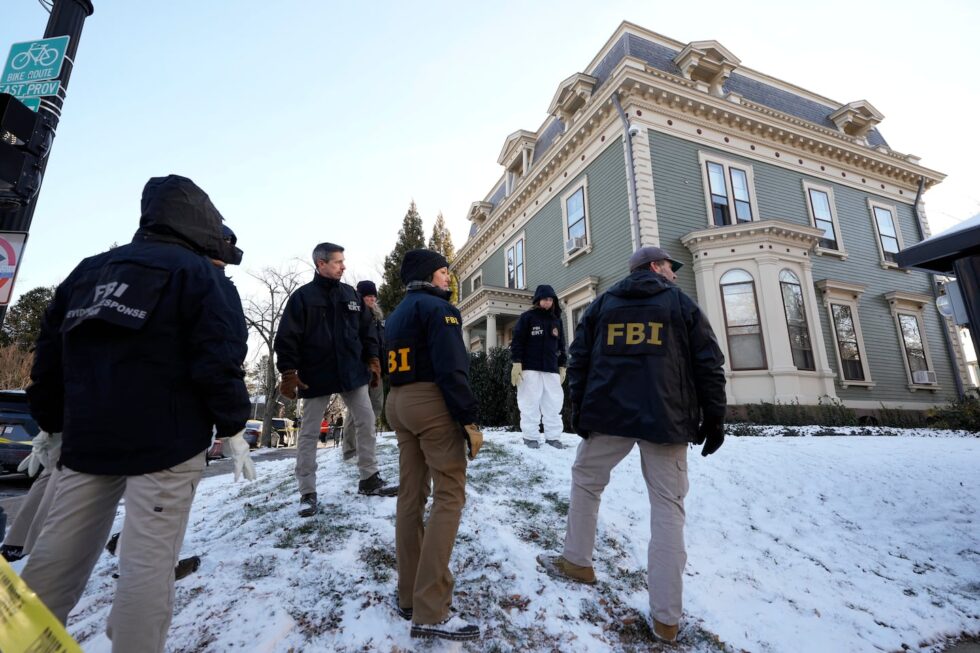
Now this: According to a whistleblower account reviewed by Senate Judiciary Committee Ranking Member Dick Durbin, the FBI’s top evidence response team had to drive overnight through a winter storm from Quantico, Virginia, to Providence because Patel was in South Florida using one of the FBI’s two available jets for what reportedly was personal travel. Patel has denied that his Florida trip was only for personal reasons, but the pattern is hard to overlook.
Patel has said the director of the FBI is legally required to travel on government planes, but after seeing him acting like a frat boy in the US Men’s Olympic Hockey locker room in Milan, and recalling reports that he used an FBI jet to attend his girlfriend’s country music concert in November, concerns about his taxpayer-funded travel have only intensified. According to the same whistleblower, the FBI’s investigation into the assassination of Charlie Kirk was also delayed due to Patel’s personal use of bureau aircraft.
Against the backdrop of this potential federal misconduct, it is important to consider how private institutions might respond. We understand, some universities may worry about reputational risk or political consequences from the federal government, as has happened to Brown previously. However, restraint should end when federal actions directly jeopardize the safety of our campus, and go unexamined or unaddressed.
Here is what we are asking of Brown University:
Brown should use its national platform to advocate for evidence-based gun safety legislation, including a system of red-flag enforcement checks, and strengthened gun violence related research funding in academia.
When we heard the President of the United States say, “things can happen,” in response to the shooting that changed the lives of so many of our peers instead of even considering taking action to prevent similar tragedies, we were outraged. Now, we ask Brown to use its voice to elevate all of ours.
Brown should officially support Durbin’s request for a Government Accountability Office review and a Department of Justice Inspector General investigation into how Patel managed bureau resources. Rhode Island’s congressional delegation — US Senators Jack Reed and Sheldon Whitehouse, and Representatives Seth Magaziner and Gabe Amo — have already spoken out. Brown’s support would add important institutional weight to these existing demands.
Brown should also urge Congress to hold hearings that examine how the FBI’s leadership decisions affected the Dec. 13 response and possibly other emergencies. Brown should ask for a public accounting before a body that has the authority to require one.
If evidence shows that Patel made false public statements that harmed our community (such as claims that may have created a false sense of resolution while a shooter was still at large) or delayed the investigation, Brown’s general counsel should look into possible legal remedies. The Federal Tort Claims Act sets a high standard, and sovereign immunity makes it hard for private citizens to sue the federal government. Still, it is important to explore whether negligent decisions led to gaps in the federal response.
Some critics might argue that these actions could draw Brown into partisan conflict or risk federal retaliation. However, Brown must demand accountability when credible claims suggest that federal decisions affected the response to a mass shooting on our campus. Seeking transparency protects the university’s integrity and student safety.
We are asking Brown to consider the specific legal and procedural steps that any serious institution would undertake when its students are killed, credible whistleblowers challenge the federal response, and no full accounting has been made.
Some of our friends are gone. The least we can ask is that someone fights to understand why the response to their deaths may have been compromised.
Jack DiPrimio is a master of public affairs student at Brown University, focusing on policy analysis and economic justice.
Benjamin Stern is a third-year undergraduate student at Brown University, studying international and public affairs.