Things got tense at the White House this week when a reporter grilled Press Secretary Karoline Leavitt about President Donald Trump’s comments on a deadly missile strike in Iran. The exchange highlighted the ongoing drama surrounding the U.S.-Iran conflict, which has everyone talking from social media to late-night shows.
With the war entering its second week, questions about civilian casualties and who’s really responsible have sparked heated debates. Leavitt’s response? She stood firm, saying the president can voice his views to the public. Let’s break down what happened, step by step.
The Tense Exchange at the Briefing
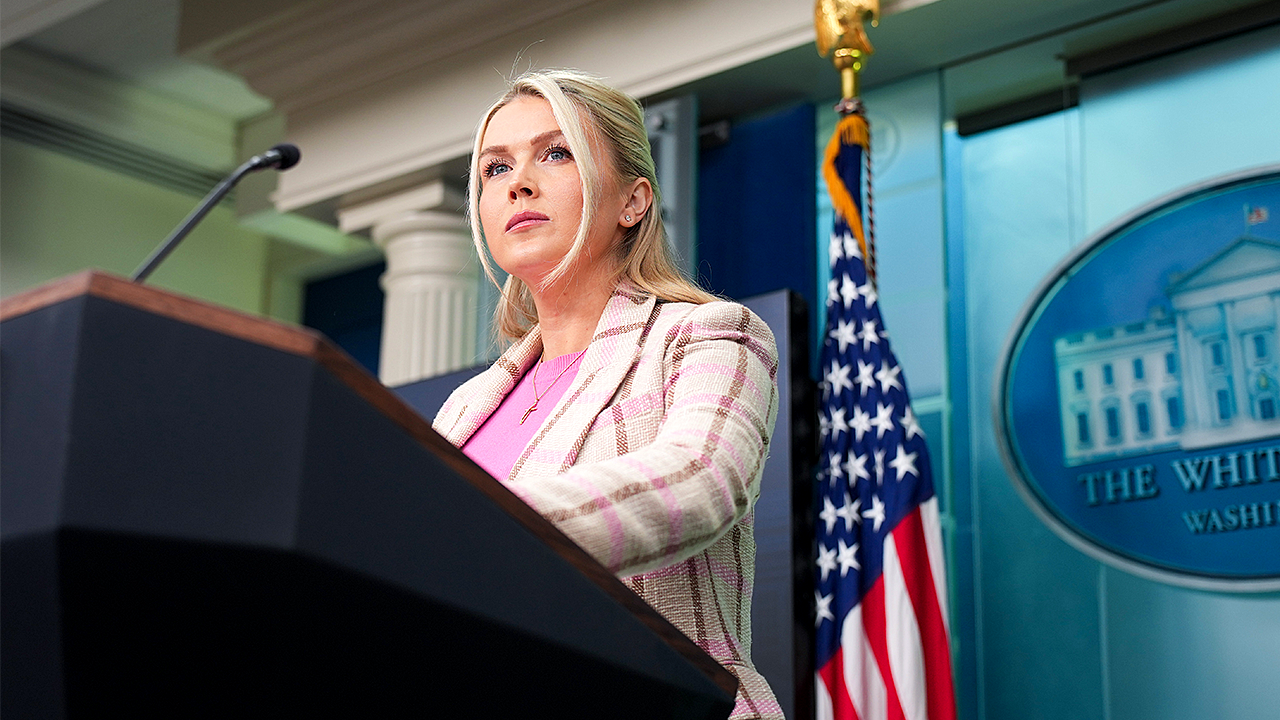
On March 10, 2026, during the daily White House press briefing, a New York Times reporter pushed Leavitt hard on Trump’s earlier suggestion that Iran might have launched the Tomahawk missile that hit a girls’ school in Minab, Iran.
The strike, which occurred on February 28, killed between 165 and 175 people, most of them young students and civilians. Video footage and expert analysis from sources like Bellingcat and The New York Times point to a U.S.-made Tomahawk as the weapon, likely aimed at a nearby Islamic Revolutionary Guard Corps base but causing tragic collateral damage.
The reporter asked why Trump was the only one floating this idea, especially since only the U.S. and a few allies like the UK and Australia have access to Tomahawks, and there’s zero evidence Iran does.
Leavitt didn’t back down. She replied that “the president has a right to share his opinions with the American public” and added that Trump would accept the Pentagon’s investigation results once they’re out.
She also fired back at the media, accusing The New York Times of “harassing” the administration with constant questions and unverified reports. The room buzzed with follow-ups, but Leavitt shifted to praising Trump’s war efforts, saying it’s a “good thing to wipe out terrorists who target civilians and attempt to hold the global economy hostage.” This moment quickly went viral, with clips shared across platforms showing the back-and-forth intensity.
Background on the Strike and the War
To understand the uproar, let’s rewind to the start of the conflict. The U.S., alongside Israel, launched strikes on Iran on February 28 as part of Operation Epic Fury, aiming to dismantle Iran’s ballistic missile program, naval threats, and nuclear ambitions.

Screenshot from Really American’s post/X
Officials initially estimated the war might last four to six weeks, but Leavitt noted on March 10 that it’s ahead of schedule, with over 5,000 targets hit and Iranian attacks down significantly. However, the human cost is mounting. The Pentagon reported about 140 U.S. troops injured, mostly minor cases, while Leavitt put the number around 150.
The Minab incident stands out. Iranian officials released videos of the devastation at Shajareh Tayyebeh girls’ elementary school, showing debris consistent with a Tomahawk missile. Experts from outlets like PBS and The Daily Beast have debunked any notion of Iran possessing these weapons, as export controls and sanctions make it impossible.
The Pentagon’s probe is still underway, with no final report yet, but Trump has called the missiles “generic” and sold to other nations, though he admitted he doesn’t know all the details. This has fueled criticism that the administration is dodging accountability amid rising oil prices and global scrutiny.
Trump’s Comments and the Backtrack
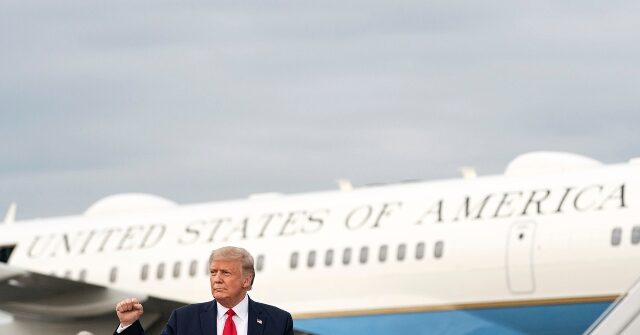
Trump first raised eyebrows over the weekend when he told reporters aboard Air Force One that, in his view, Iran or “somebody else” might have fired the missile, calling Iranian munitions inaccurate. He suggested it could be a self-inflicted strike for propaganda purposes.
But on March 9, when pressed by a Times reporter, he softened his stance, saying, “I just don’t know enough about it,” and that he’d go with whatever the investigation finds.

Screenshot from Really American’s post/X
Leavitt echoed this in the briefing, insisting Trump “is not making anything up” and framing his words as a “feeling based on fact.” She also defended the broader strategy, noting no other officials have backed Trump’s specific claim. Defense Secretary Pete Hegseth has stayed neutral, focusing on the ongoing review.
Critics point out this mismatch, with some calling it a sign of disorganized messaging in wartime. Leavitt pushed back, saying the president deserves credit for taking bold action against threats.
Public Reactions and Online Buzz
The story exploded online, with social media users splitting into camps. Anti-Trump accounts blasted Leavitt’s defense, calling it a way to rebrand lies as opinions. One popular post from Really American read, “Lies are now characterized as opinions. Unreal,” racking up thousands of likes and shares.
Supporters, however, praised Leavitt for standing up to what they see as biased media. Comments on platforms like Instagram highlighted her poise under fire, with one user noting the briefing as a win against “fake news.”

Screenshot from Really American’s post/X
Broader reactions included calls for transparency, with some predicting more briefings like this as the war drags on. Even international voices chimed in, like a Czech post translating the controversy and echoing the disbelief. As the Pentagon’s report looms, this saga keeps the public hooked, blending politics, war, and heated rhetoric in a way that’s hard to ignore.
What do you think?