WASHINGTON — The White House maintained Wednesday that productive talks were taking place with Iran and signaled that President Donald Trump was close to meeting his goals, even as it remained elusive on details of the conversations and pledged to “hit harder” than ever before if megotiations don’t progress.
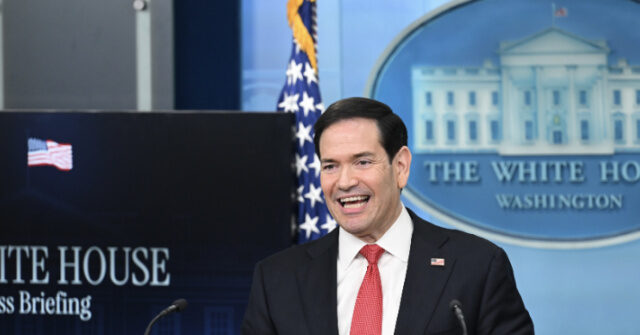
Addressing reporters at a White House briefing, press secretary Karoline Leavitt declared that the U.S. was “very close to meeting the core objectives” framing Trump’s decision to launch military operations in Iran more than three weeks ago. She noted the initial four to six weeks the administration gave as an estimated timeline for the conflict, proclaiming that operations were “ahead of schedule” and signaling the potential for a wind down.
Leavitt echoed Trump’s own contentions in recent days that the U.S. was in active negotiations with Iran, saying the U.S. has been “engaged over the last three days in productive conversations, which led the president to temporarily instruct the Department of War to postpone planned strikes against Iranian power plants and energy infrastructure only.”
She added that it was on Saturday night when it was “made clear” to the Trump administration that “Iran wanted to talk.”
On Saturday afternoon, Trump warned Iran via a social media post that he would “hit and obliterate their various POWER PLANTS” if the Strait of Hormuz wasn’t fully reopened within 48 hours –– a deadline that he later postponed, citing talks.
But Leavitt also went on to make clear that future actions by the U.S. in the conflict will depend on how negotiations go, putting the onus squarely on Iran.
“There does not need to be any more death and destruction,” Leavitt said. “But if Iran fails to accept the reality of the current moment, if they fail to understand that they have been defeated militarily and will continue to be, President Trump will ensure they are hit harder than they have ever been hit before.”
“President Trump does not bluff and he is prepared to unleash hell,” she said. “Iran should not miscalculate again.”
Leavitt added that “any violence beyond this point will be because the Iranian regime refused to understand they have already been defeated and refused to come to a deal.”
Amid public defiance from Iran, Trump insisted to reporters at the White House Tuesday that the U.S. was in talks with the “right people” in the country, adding that officials in Tehran want to make a deal “so badly.” For the U.S., the president said that his special envoy Steve Witkoff, son-in-law Jared Kushner, Secretary of State Marco Rubio and Vice President JD Vance were involved in the conversations.
But he has been tight-lipped about the identities of who the U.S. is talking to in Iran as he touts that the U.S. has taken out waves of leaders in the country after killing its supreme leader on the first day of the conflict.
Leavitt did not shed more light on the topic Wednesday, saying she wouldn’t “get into the nitty, gritty details.” She also would not elaborate on the gift Trump said the U.S. received from Iran related to oil and gas.
But she did push back on reports about details of a 15-point ceasefire plan said to have been offered to Iran by the U.S. on Tuesday, saying that while there are “elements of truth to it,” some of the stories she read “were not entirely factual.”
“I would caution reporters in this room from reporting about speculative points or speculative plans from anonymous sources,” Leavitt said. “The White House never confirmed that full plan.”
On energy price concerns driven by Iran’s disruptions to the Strait of Hormuz, Leavitt noted the U.S. Environmental Protection Agency’s decision Wednesday to temporarily allow nationwide sales of a higher-ethanol gas blend known as E15, which is usually restricted in the summer.
“The emergency fuel waiver will temporarily waive the summer low-volatility requirements and blending limitations for gasoline to provide additional flexibility to the fuel marketplace,” she said.
She framed the move as part of the administration’s effort to come up with “creative new solutions” to address rising fuel prices amid the conflict.
Leavitt also announced that Trump’s long-anticipated trip to China to meet with its leader, Xi Jinping, will now take place in Beijing on May 14 and 15 and will be followed by a visit to Washington by the Chinese president at a later date.
Originally set to take place in the next couple of weeks, Trump said last week he was postponing the visit to China in the wake of the strikes on Iran.
Asked if the new date meant that the conflict was expected to be over by mid-May, Leavitt responded: “I’ve said, we’ve always estimated approximately four to six weeks so you can do the math on that.”