This article may contain commentary
which reflects the author’s opinion.
The Senate approved a bipartisan resolution Thursday banning members and their staff from placing bets on prediction markets, a rare unanimous move that took effect immediately. The measure passed by voice vote without opposition, reflecting growing concern about the potential misuse of sensitive government information.
The action follows weeks of scrutiny over platforms that allow users to wager on real-world events, including elections, conflicts, and economic developments. Lawmakers from both parties raised concerns that those with access to nonpublic information could gain an unfair advantage, the Associated Press reported.
Sen. Bernie Moreno, who sponsored the resolution, framed the issue in direct terms. “United States senators have no business engaging in speculative activities like prediction markets while collecting a taxpayer-funded paycheck, period,” Moreno said.
Advertisement
An amendment from Alex Padilla expanded the ban to include Senate staff, closing what lawmakers viewed as a significant loophole. Congressional aides often participate in classified briefings, draft legislation, and negotiate policy details well before information becomes public.
Because the measure was adopted as a change to Senate rules rather than standalone legislation, it did not require action from the House or a presidential signature. The rule is already in effect and applies only within the Senate.
Advertisement
Momentum for the change accelerated after a recent criminal case involving a U.S. special forces soldier accused of using classified information to place bets tied to the capture of Nicolás Maduro. The case underscored the risks associated with prediction markets and insider knowledge.
Separate reporting also raised questions about unusually well-timed bets placed on a potential ceasefire between the United States and Iran. The activity prompted concerns that individuals with advanced knowledge of diplomatic developments could profit before information became public.
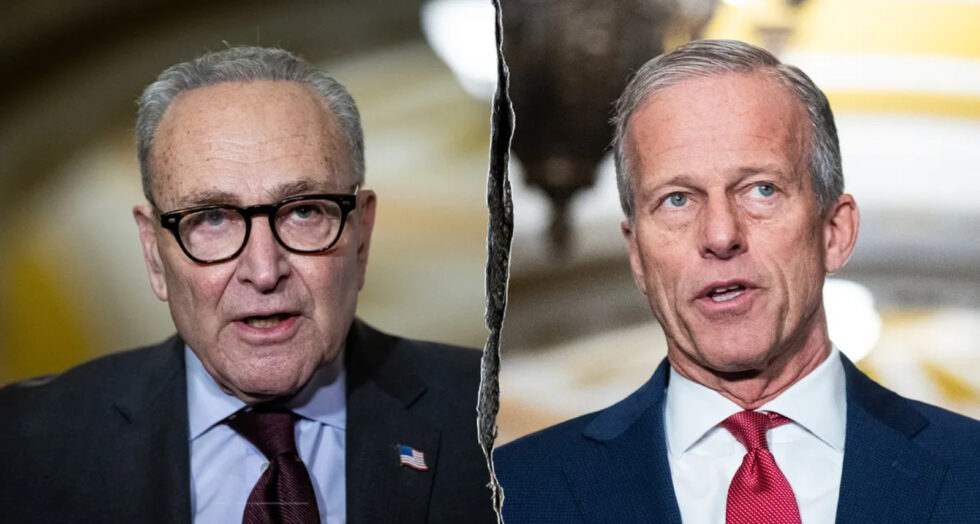
Senate Minority Leader Chuck Schumer called the resolution a “no-brainer” and urged the House and the Trump administration to adopt similar restrictions. “We must never allow Congress to turn into a casino where members representing the public can gamble on wars or economic crises or elections,” Schumer said.
The House must follow the Senate’s lead and ban all members and their staffs from gambling on prediction markets.
Americans did not send us to Washington to bet on their problems. They sent us to fix them.
No betting on our budgets. No wagering on war. No gambling on… https://t.co/iXqfXyHsnh
— Chuck Schumer (@SenSchumer) May 4, 2026
Proud to say my bill to ban members of Congress from insider trading on prediction markets just passed the Senate UNANIMOUSLY!
Serving in Congress is an honor, not a side hustle. Americans deserve to know that their leaders are here for the right reason!
— Bernie Moreno (@berniemoreno) April 30, 2026
Despite unanimous support in the Senate, the rule leaves key gaps. It does not apply to members of the House, executive branch officials, or the broader federal workforce, all of whom may also have access to sensitive or market-moving information.
Sens. Todd Young and Elissa Slotkin have introduced separate legislation that would extend restrictions across the federal government. Their proposal would prohibit officials from using insider information to place prediction market bets.
The distinction between a chamber rule and federal law is significant. A Senate rule binds only senators and their staff, while broader legislation would require approval from both chambers of Congress and the president.
Questions also remain about enforcement. The Senate Ethics Committee is expected to oversee compliance, but details about penalties for violations have not been fully outlined. Historically, enforcement of congressional ethics rules has been limited.
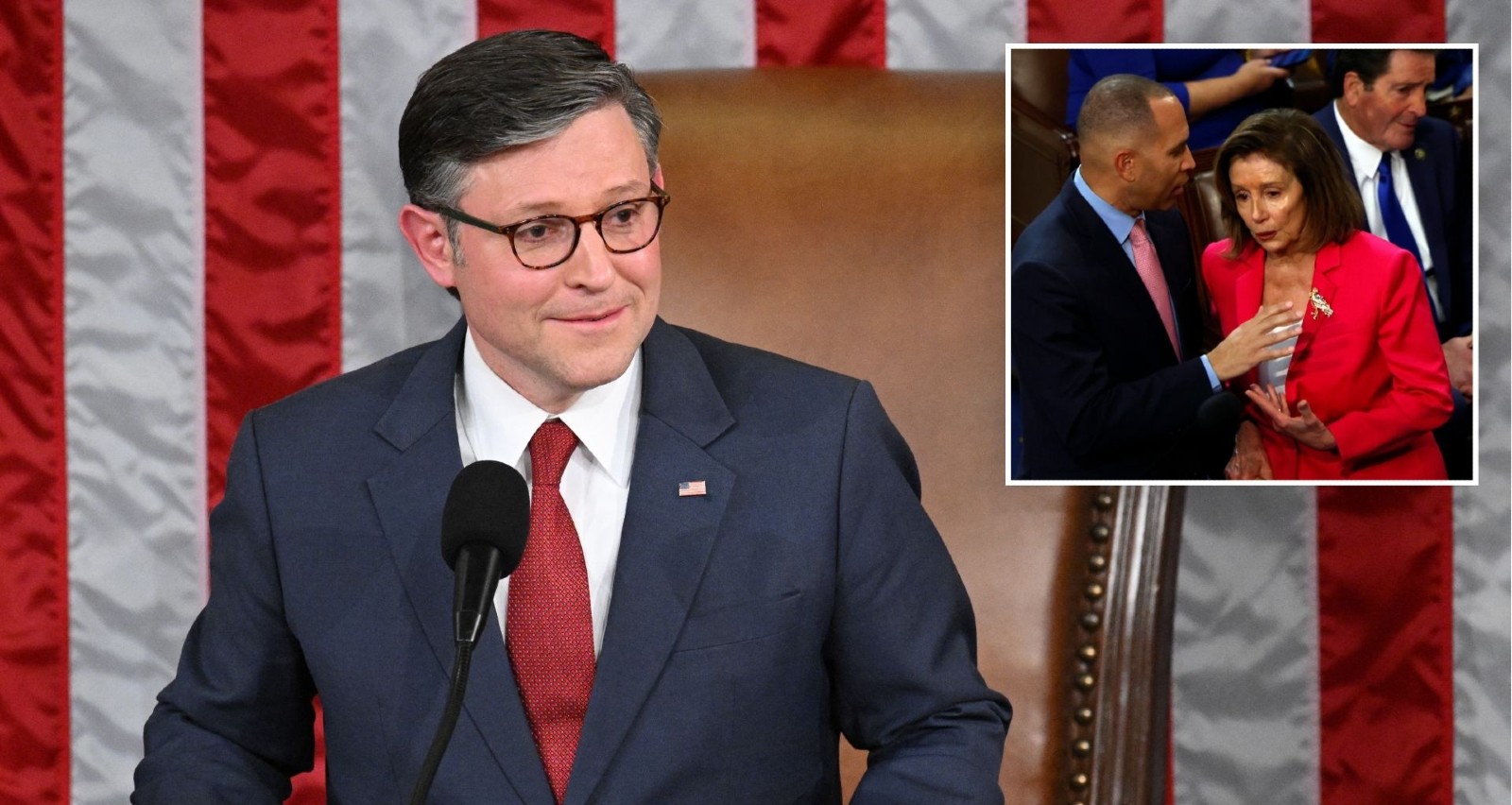
The House has not yet taken parallel action, and it remains unclear whether Speaker Mike Johnson will move to adopt a similar rule. Lawmakers pushing for reform argue that failing to act across government could undermine the intent of the Senate’s decision.
The resolution represents a rare moment of bipartisan agreement on ethics reform in a deeply divided chamber. Its long-term impact, however, will depend on whether Congress expands the policy beyond the Senate and enforces it with meaningful consequences.