The House on Monday passed bipartisan legislation that aims to crack down on organized theft of supply chains and retail crime.
The measure, introduced by a half-dozen lawmakers, “takes important steps to strengthen legal tools for law enforcement and crack down on interstate and transnational crime,” according to a press release.
Advertisement
(House votes 218- 213 .. What just passed has Trump fired up)
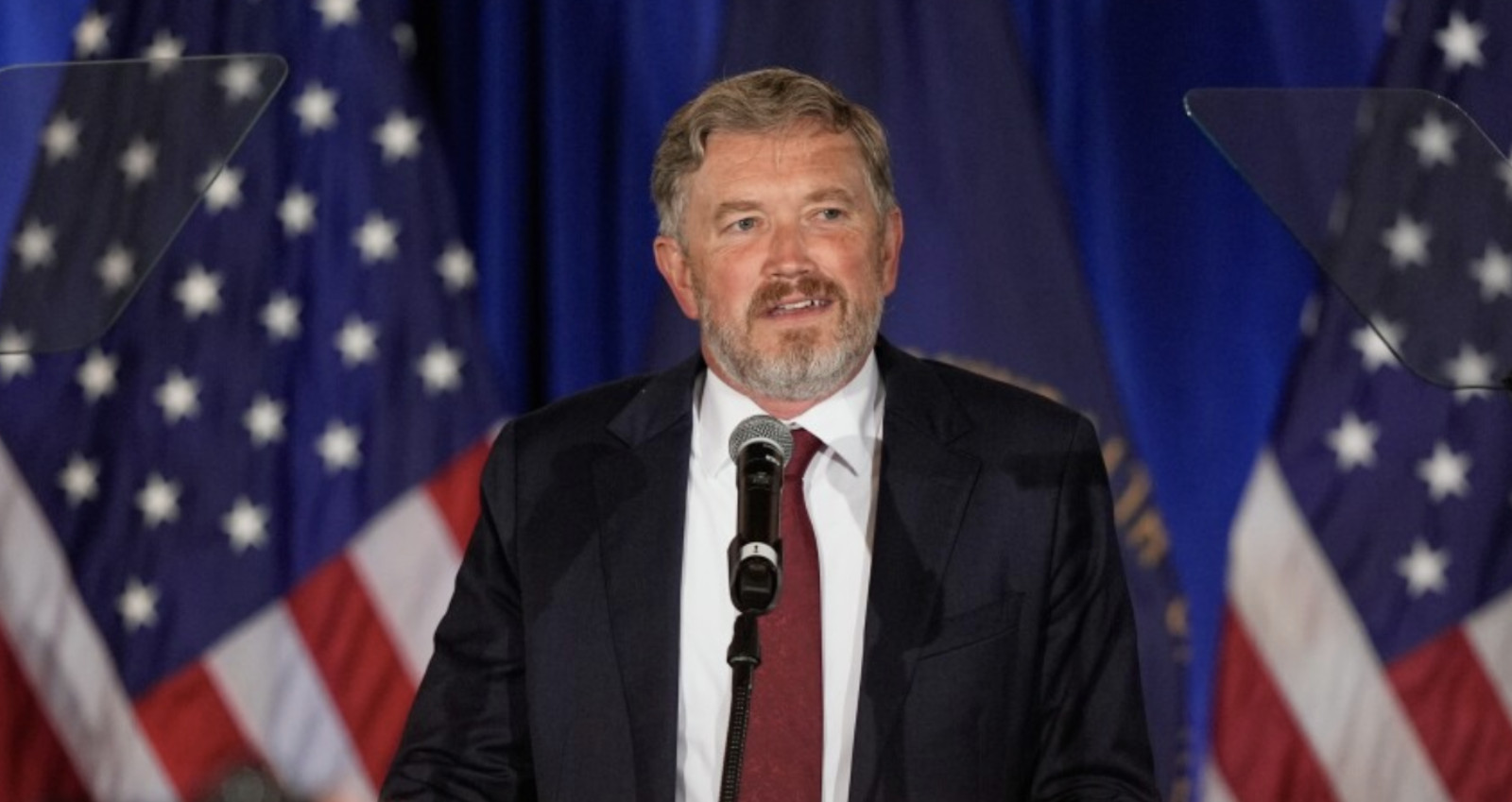
The bill was introduced by Reps. David Valadao (R-Calif.) and Reps. Dave Joyce (R-Ohio), Susie Lee (D-Nev.), Brad Schneider (D-Ill.), Dina Titus (D-Nev.), Laurel Lee (R-Fla.), Lou Correa (D-Calif.), and Michael Baumgartner (R-Wash).
(Bombshell ruling on mail in ballots)
The current legislation builds on initiatives included in the Safeguarding our Supply Chains Act, which was previously introduced in the House.
“Organized retail crime and cargo theft are hurting small businesses and families across the Central Valley,” said Valadao. “These are coordinated criminal operations that put public safety at risk, disrupt supply chains, and drive up costs for consumers.
(Trump stuns with “life support” announcement)
Advertisement
“The CORCA Act gives law enforcement stronger tools to investigate and dismantle organized theft rings, and I’m especially proud to see language from my Safeguarding our Supply Chains Act included,” he added.
“This Police Week, I’m honored to help pass this bipartisan bill to hold criminals accountable and support the law enforcement officers working every day to keep our communities safe,” he said.
According to a press release from his office, the bill would:
- Strengthen legal tools for law enforcement by allowing criminal forfeitures for interstate shipment, transportation of stolen goods, or sale of stolen goods convictions
- Expand money laundering statutes
- Enable prosecution of organized retail and supply chain groups using interstate or foreign commerce to facilitate crimes
- Mandate the creation of the Organized Retail and Supply Chain Crime Coordination Center within Homeland Security Investigations (HIS) and the Department of Homeland Security
Sophisticated criminal organizations are playing an increasingly prominent role in theft, fraud, and other property crimes targeting retail stores and supply chains across the United States, raising concerns about the broader impact on the economy, consumer safety, and public security, the release noted.
Advertisement
According to the National Retail Federation, incidents of retail theft increased by 93% between 2019 and 2023, with retailers losing an estimated $121.6 billion to theft in 2023 alone.
Officials say many of the crimes are carried out by organized groups that resell stolen merchandise through both physical storefronts and online marketplaces, generating illicit profits that can help finance additional criminal activity, the release continued.
At the same time, manufacturers and logistics networks have reported a growing wave of organized cargo theft affecting rail lines, highways, and distribution hubs nationwide. CargoNet reported a 27% increase in cargo theft incidents in 2024 compared with the previous year.
Authorities say the crimes range from large-scale thefts of goods from shipping containers and warehouses to sophisticated cyber schemes designed to reroute shipments to fraudulent recipients, resulting in major financial losses and supply chain disruptions, the press release concluded.
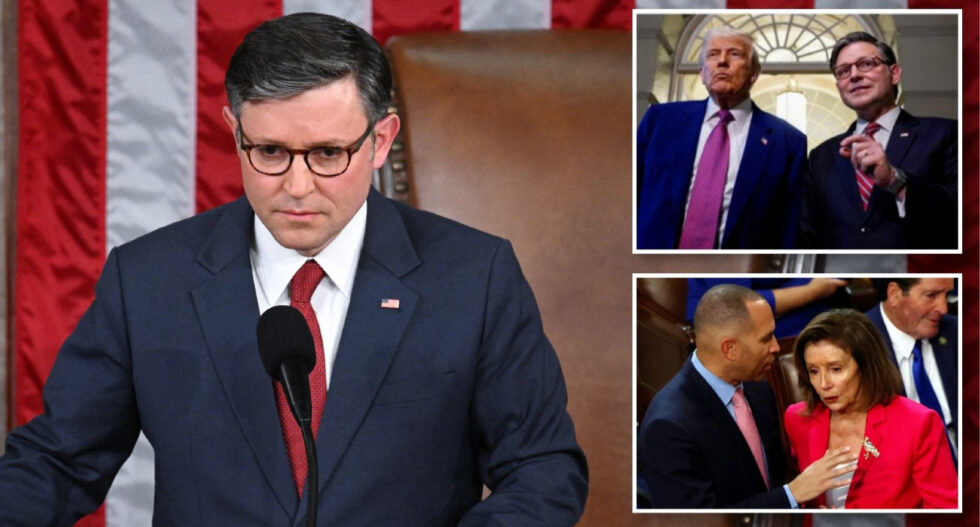
Earlier this month, House Speaker Mike Johnson (R-La.) stated that the House was set to introduce a new bill to fund the Department of Homeland Security because the funding issue remains unresolved.
Since February 14, DHS has been partially shut down because Democrats won’t support a bill that would give money to Immigration and Customs Enforcement and Customs and Border Protection, Conservative Brief reported.
Advertisement
Senate Republicans had previously agreed to fund the agency through reconciliation, but Johnson told reporters that the Senate’s measure had “problematic language” that would “orphan” immigration enforcement.
“We have to make sure that immigration law is enforced, and the border is safe and secure,” Johnson said.
The Senate legislation “has some problematic language because it was haphazardly drafted,” Johnson said, adding, “We have a modified version that I think is going to be much better for both chambers.”
The Senate would have to vote on any bill the House passed, and Democrats would still oppose it because they care more about protecting illegal immigrants than American citizens, including their own constituents.
This article may contain commentary
which reflects the author’s opinion.