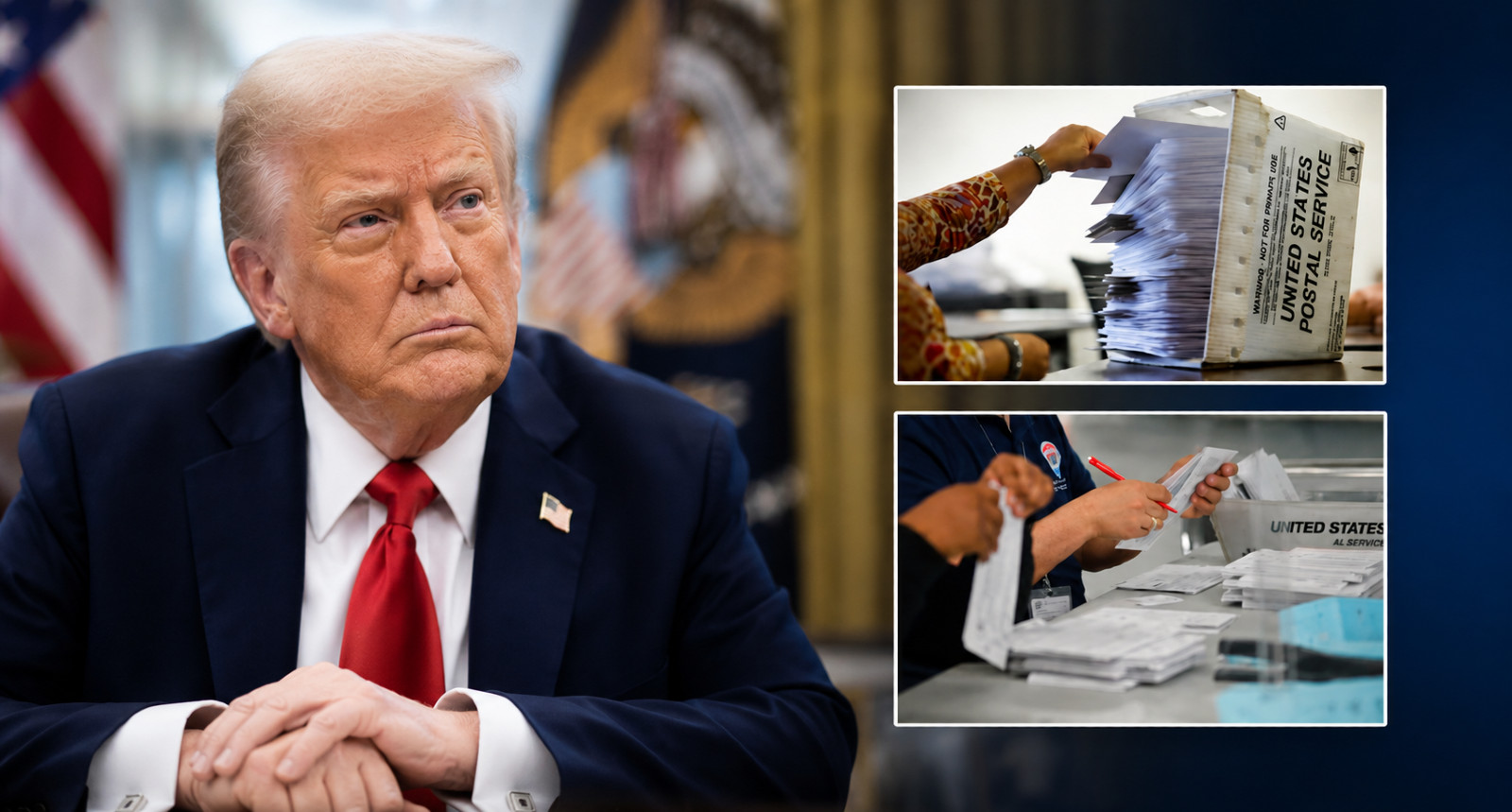
The U.S. Supreme Court issued a disappointing ruling on Monday and delivered a major loss for election integrity.
In a 5-4 decision that has conservatives sounding the alarm on election security, the Supreme Court ruled that federal law does not bar states from counting mail-in ballots received days after Election Day, as long as they were postmarked by the deadline.
Advertisement
The case, Watson v. Republican National Committee, centered on Mississippi’s law allowing absentee ballots postmarked on or before Election Day to be counted if received up to five business days later.
The Republican National Committee, Mississippi GOP, and voters challenged the practice, arguing it violates federal statutes setting a uniform Election Day for federal races.
The Fifth Circuit had sided with them, but the high court reversed that safeguard.
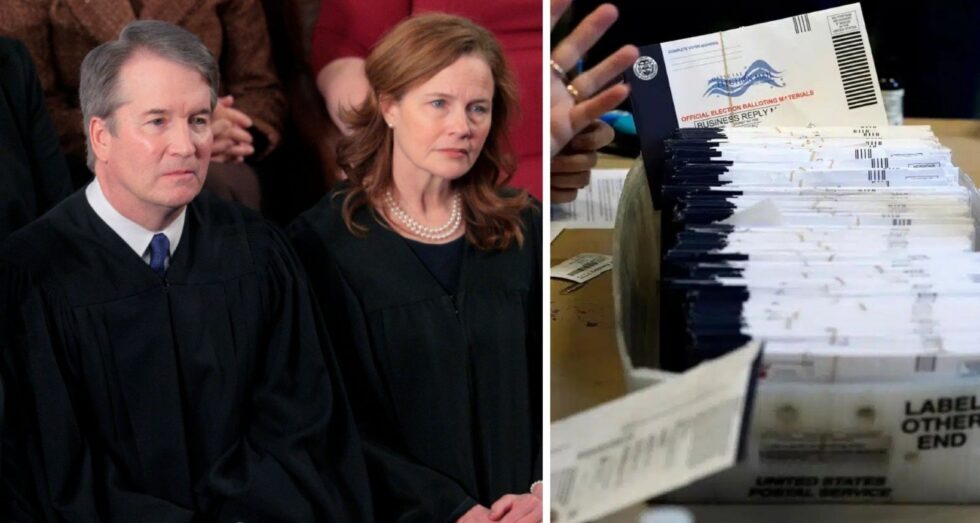
Justice Amy Coney Barrett authored the majority opinion, joined by Chief Justice John Roberts and the three liberal justices — Sonia Sotomayor, Elena Kagan, and Ketanji Brown Jackson.
In a narrow 5-4 split, the Court held that the federal election-day statutes “do not prevent Mississippi from counting absentee ballots postmarked by election day but received up to five days thereafter; nothing in the federal election-day statutes requires ballots to be received by election day.”
Advertisement
Barrett wrote: “The defining element of an ‘election’ has always been the electorate’s choice of candidate… The electorate’s choice is made when voting is complete, not when ballots are received.”
She leaned on dictionary definitions and statutes like the Uniformed and Overseas Citizens Absentee Voting Act (UOCAVA), arguing Congress left receipt deadlines to states while setting the day for voting itself.
The opinion dismissed historical practices of same-day receipt as non-binding and brushed aside fraud concerns as matters for legislatures, not courts.
This marks a notable departure for Barrett, President Trump’s appointee, whose vote with the left-leaning bloc stunned many on the right who expected stricter protections for Election Day finality.
Justice Samuel Alito fired back in a sharp dissent, joined by Justices Clarence Thomas and Neil Gorsuch, with Justice Brett Kavanaugh joining most parts.
Alito argued the majority’s reading guts the purpose of a single Election Day, warning that allowing ballots to trickle in afterward turns “Election Day” into “Election Week” or worse.
“The election-day statutes require the electorate’s choice to be authoritatively expressed through the completion and collection of ballots on election day,” Alito contended.
He pointed to 19th-century practices, Civil War-era absentee rules with strict deadlines, and legal dictionaries defining “election” to encompass both casting and receiving votes.
Citing Foster v. Love, Alito stressed that an election involves “the combined actions of voters and officials meant to make a final selection of an officeholder” by the federal deadline.
The dissent highlighted real-world risks: late-arriving “big stashes” of ballots that could flip apparent outcomes, eroding public confidence.
Alito noted that while the majority claims policy belongs to legislatures, federal law already sets the timeline to prevent exactly this chaos and the appearance of manipulation.
The ruling stems from 2024 lawsuits against Mississippi Secretary of State Michael Watson.
Advertisement
Challengers argued federal law — dating back to 1845 and 1872 statutes fixing presidential and congressional elections on the Tuesday after the first Monday in November — demands finality.
Mississippi is one of roughly 30 states with similar grace periods, practices expanded during the pandemic but long criticized by conservatives as invitations to fraud, chain-of-custody breakdowns, and last-minute ballot harvesting.
Critics have long warned that extended windows create opportunities for mischief.
Ballots received days later lack the immediate scrutiny of in-person voting.
Signature verification, postmark disputes, and potential backdating fuel skepticism, especially in tight races where late counts have swung results in recent cycles.
For elections moving forward, the decision is a major setback for efforts to restore Election Day integrity.
House Republicans have pushed the SAVE Act, which would require proof of citizenship for voter registration and strengthen mail ballot rules.
With this ruling, momentum for such reforms — and potential overrides or new federal legislation — is likely to intensify ahead of future cycles.
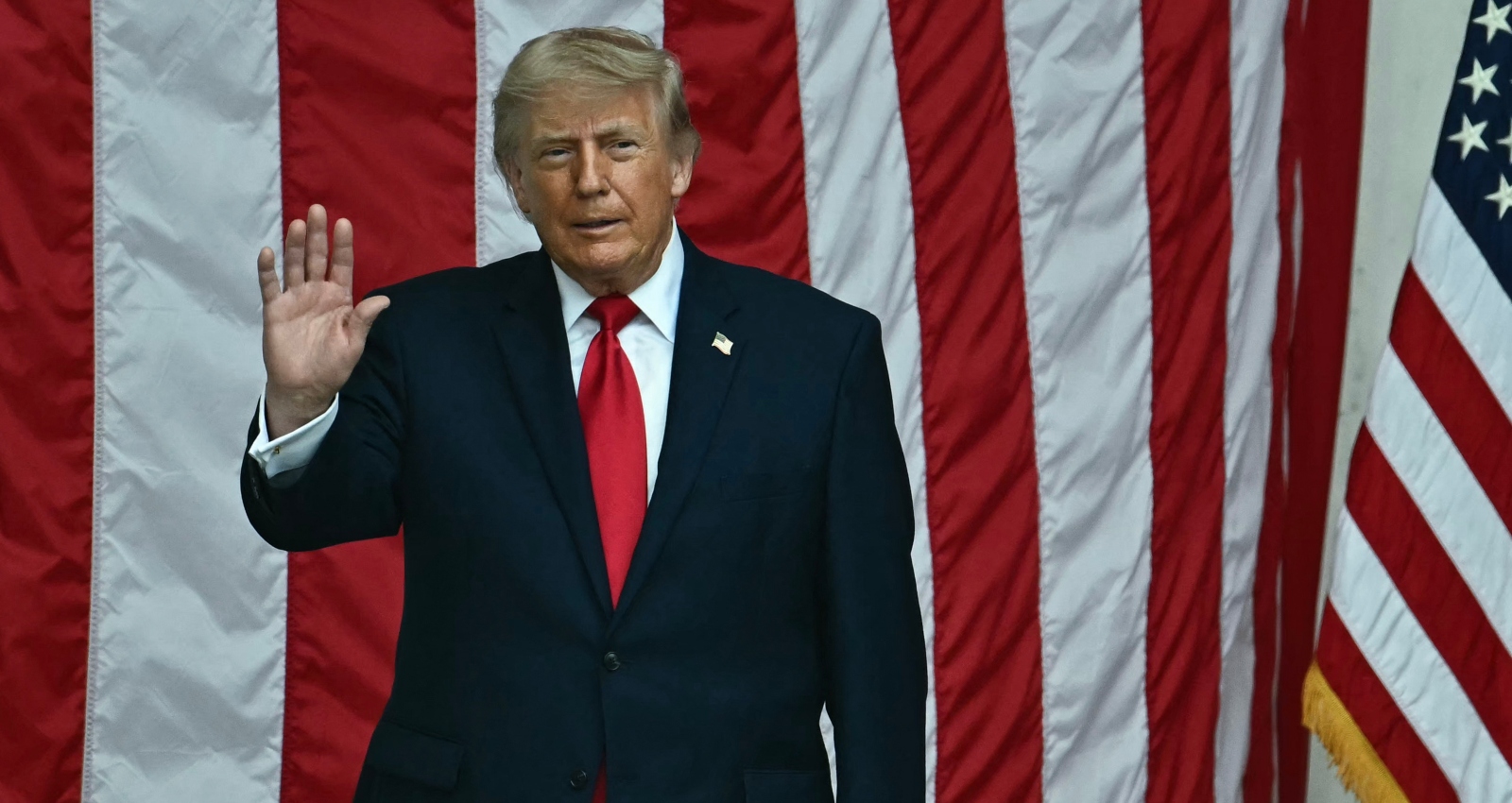
President Trump and allies have repeatedly highlighted mail-in vulnerabilities, calling for same-day voting, voter ID, and strict deadlines.
This article may contain commentary which reflects the author’s opinion.