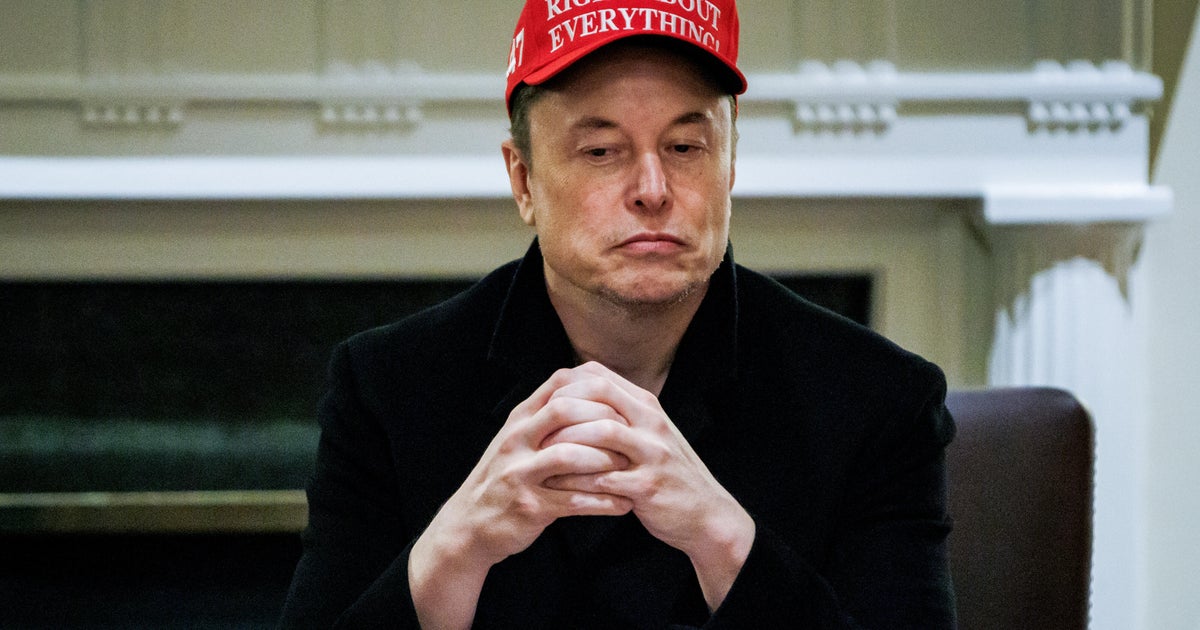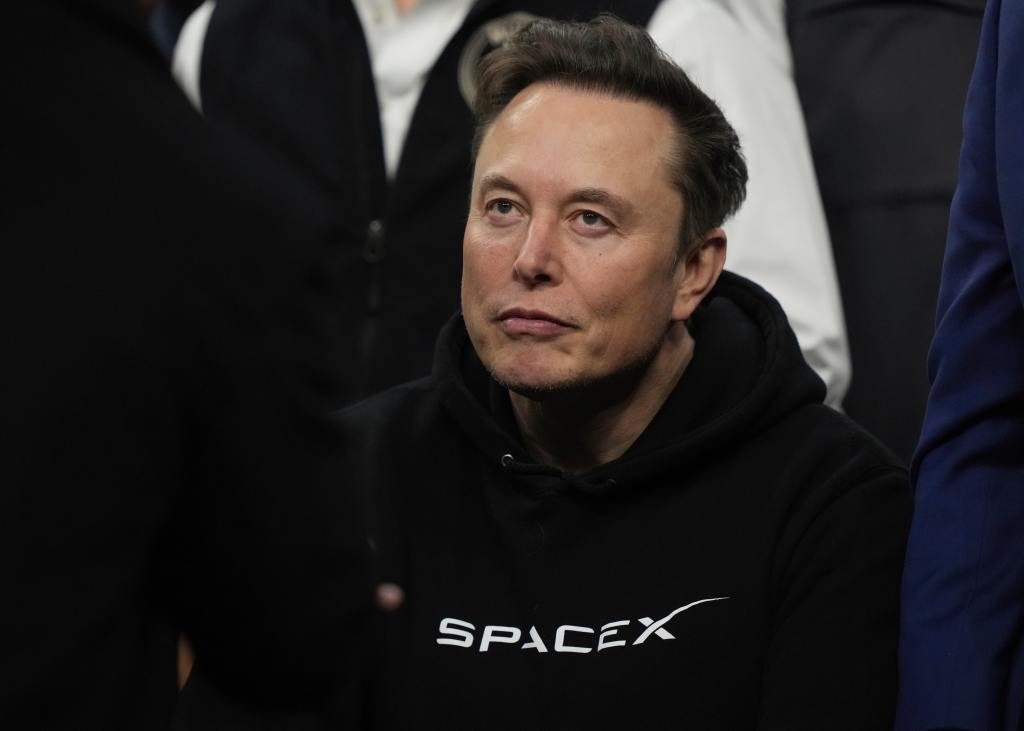
A South African is the world’s first trillionaire. That’s an accolade no-one ever foresaw as an achievement our country would one day make. This is one homespun way of looking at the extraordinary success story that is SpaceX and its controversial CEO, Elon Musk.
As always with Musk, there is much hype and hyperbole. In the SpaceX prospectus it says its intentions are “to build the systems and technologies necessary to make life multiplanetary, to understand the true nature of the universe and to extend the light of consciousness to the stars”. Talk about woke.
It also claimed to have found “the largest actionable total addressable market in human history” (space launches) and believes it is worth $28.5-trillion.
Nobody has ever accused Musk of thinking small.
Like him or not — and I don’t — he has achieved what no-one else has. Originally priced at $135 a share, the SpaceX stock listed at $150, immediately pushing past the $1.77-trillion estimated valuation. The $75bn Musk was looking for was easily raised.
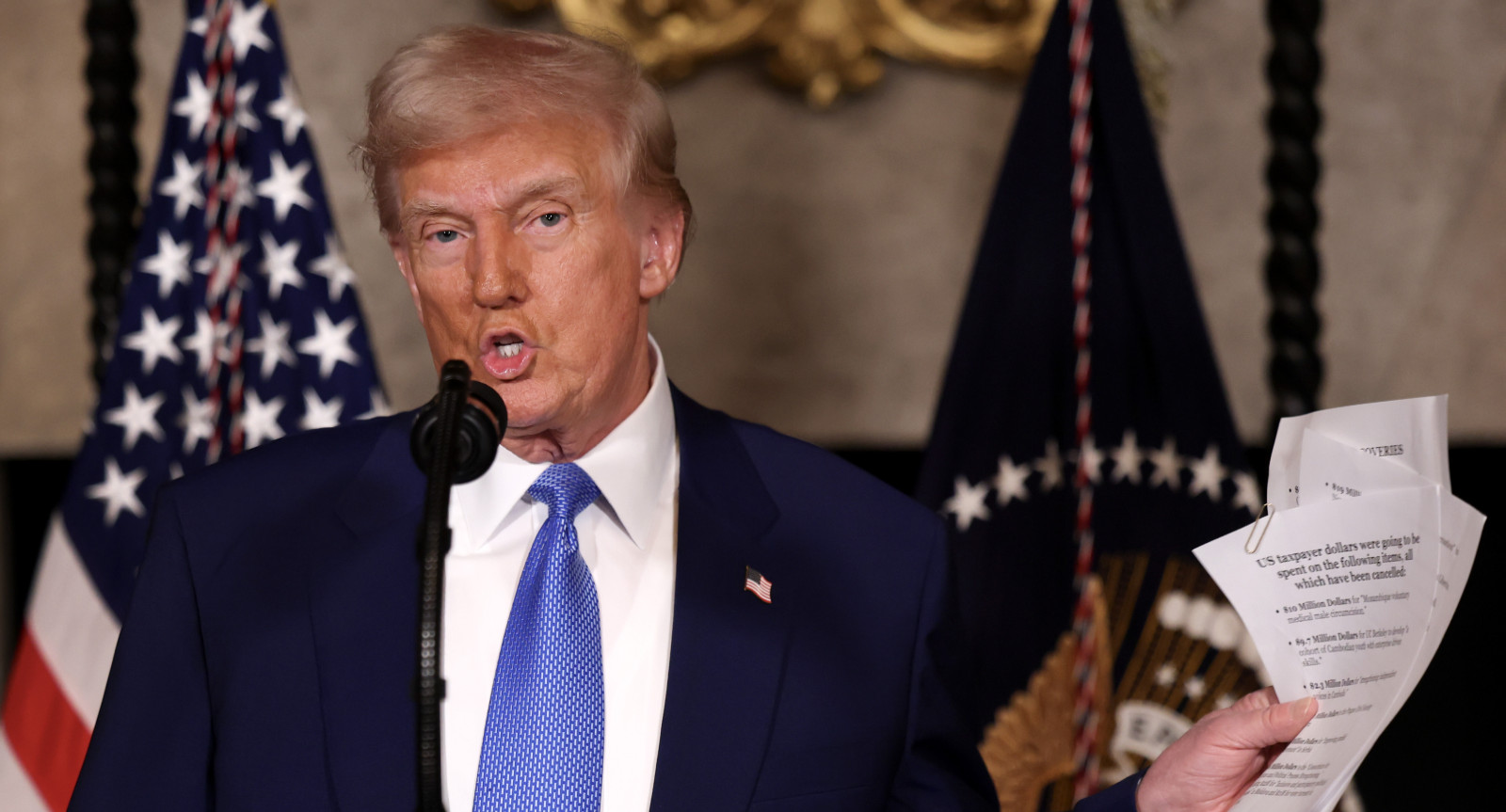
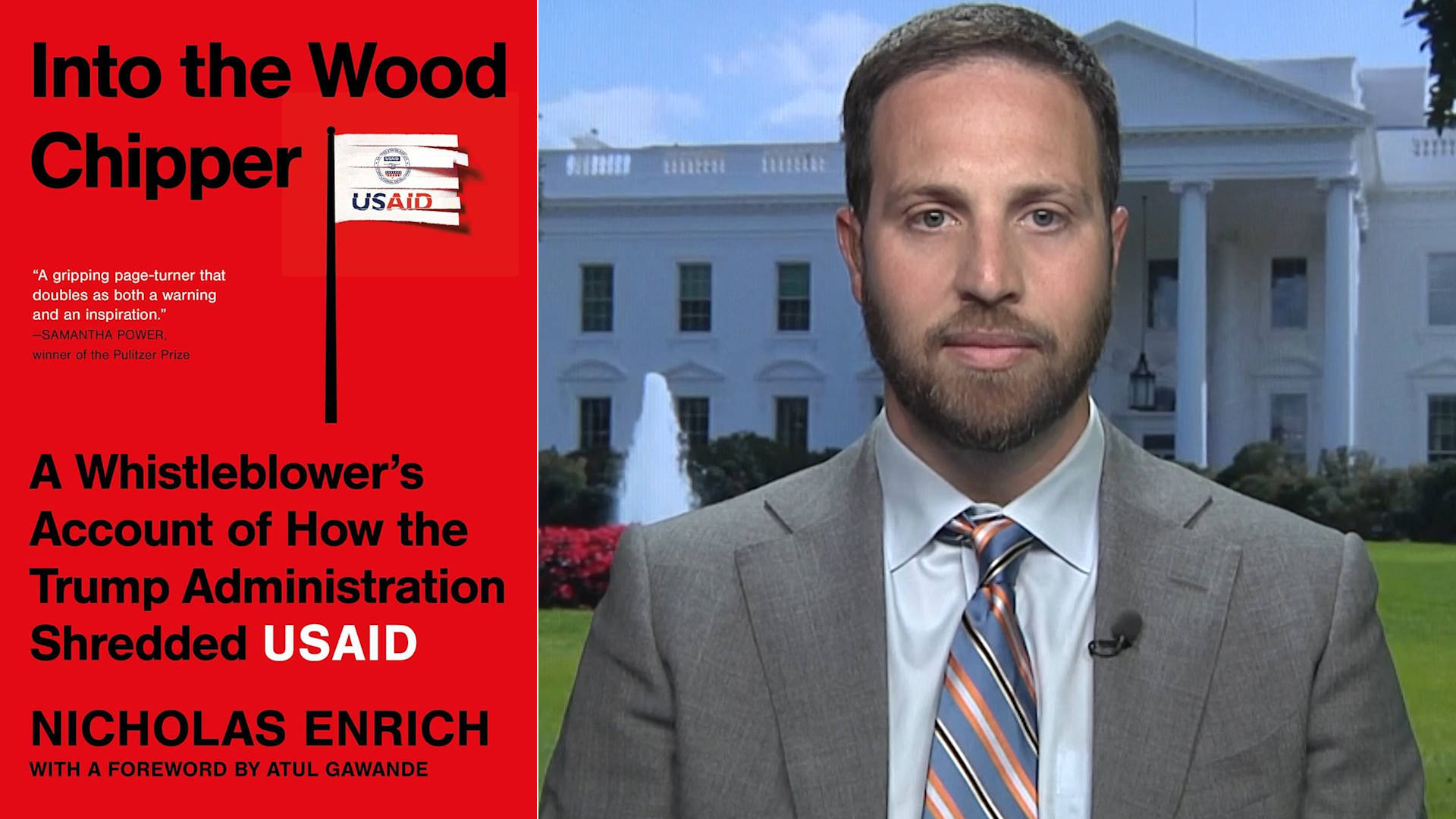
Musk was US President Donald Trump’s biggest fanboy — or “first buddy” — and presided over one of the most disgraceful episodes in US history when he took a “chainsaw” to USAID and all the good work this extraordinary agency has accomplished.
The so-called department of government efficiency (Doge) cost-cutting project was a truly shameful period that has had dire consequences for people worldwide, especially poor children.
Musk made two unmistakable Nazi salutes after Trump’s inauguration, supported right-wing causes in Europe (through his ownership of X/Twitter and funding) and then had a very public falling out with Trump, in which he revealed the president was in the Jeffrey Epstein files.
The billionaire brats’ public spat didn’t last long and Musk was soon back on international business trips with Trump, though he no longer rents a bungalow at Mar-a-Lago.
After the SpaceX IPO on June 12, Musk was back to being a mere billionaire 12 days later (June 24), when the share price dived, losing $400bn from its high.
‘Pattern of extreme volatility’
This “pattern of extreme volatility is common in high-profile IPOs, where initial hype often inflates share values”, argues Forbes. “SpaceX is unusual both in how high it went and how far things fell off.”
But this week he was back to trillionaire status, which is as much as the next four tech czars together: Larry Page ($301bn), Sergey Brin ($280bn), Jeff Bezos ($262bn) and Michael Dell ($217bn).
Noticeably, given the run on tech stocks, all are the founders of significant tech firms.
In sixth place is Larry Ellison ($202bn) closely followed by Mark Zuckerberg ($201bn).
Jensen Huang, CEO of Nvidia, which makes all the chips that propel the AI boom, is ninth with a personal fortune of $162bn.
Bill Gates, who has long since lost the crown of richest person, languishes in 19th spot with $104bn.
Meanwhile, Tesla, Musk’s other famous company, is having a resurgence in Europe after a steep decline in sales after Musk’s right-wing, Nazi-saluting antics last year.
Sales are up a surprising 77% from January to May, according to the European Automobile Manufacturers’ Association, despite the widespread public disapproval of Musk himself.
After Musk’s “chainsaw” Doge antics, JPMorgan analyst Ryan Brinkman wrote last March: “We struggle to think of anything analogous in the history of the automotive industry in which a brand has lost so much value so quickly.”
And yet, Tesla sold 22,000 electric vehicles (EVs) to Europeans in May alone, which is more than traditional brands such as Ford, Nissan and Honda (for EVs and internal combustion engine cars).
Contrast this to last February when sales plunged 44% in 25 countries, according to researchers Jato Dynamics. Sales in Germany alone plunged 76%.
What is spurring this change of heart ― apart from the war in Iran pushing up petrol prices?
“Once you go down the pricing scale, people pay less attention to ethics or morality,” Matthias Schmidt, a Berlin-based EV analyst, told the New York Times. “Tesla’s product has become so appealing from a price perspective, it’s almost too good to refuse.”
The comments from Tesla owners are equally revealing.
A retired German IBM employee, Hansjoerg Quilitzsch, stuck a bumper sticker on his Tesla Model Y last year that read, “I bought this before Elon went crazy,” he told the paper. He is one of millions of repentant Tesla owners worldwide who did the same.
But now he praises the car’s technology and believes “they’re five years ahead of everybody”. He plans to upgrade to another model when his contract expires.
Retired Dublin pharmacist Geraldine Heaton told the Times she felt “a certain shame in driving a Tesla because of his Doge involvement and his general view of the world”.
“But I love my Model 3, and that overrides my dislike of the man,” she said.
Say no more. Morality always wins, except when cost and convenience come into the picture.
• Shapshak is editor-in-chief of Stuff.co.za