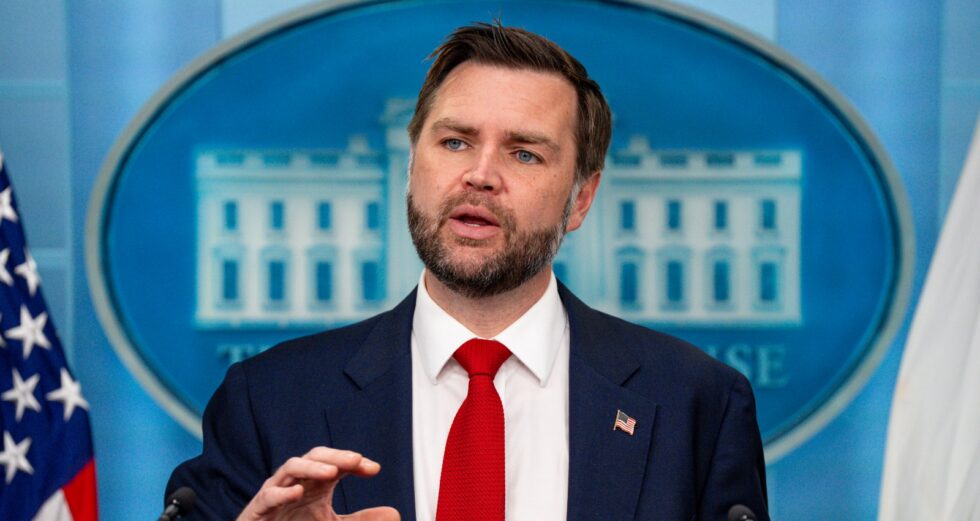
While many Americans have long suspected that waste, fraud, and abuse consumed a large portion of the federal budget every year, a task force led by Vice President JD Vance is making shocking discoveries.
It turns out the amount of fraud taking place is much worse than many Americans imagined.
Advertisement
On Thursday, the White House published “The Fraud Ledger” online, which contains a running total of the abuses discovered by the Vance task force thus far.
““$229+ BILLION uncovered – and counting,” the White House wrote on the social media platform, X.
Advertisement
“The first transparent public record tracking fraud, waste, and corruption exposed by the Trump Admin’s Task Force to Eliminate Fraud since January 2025,” the post added.
The Fraud Ledger is described by the Trump administration as a public database cataloging alleged waste, fraud, and abuse identified across federal agencies.
Advertisement
According to the website, the administration says it has identified approximately $96.2 billion in questionable spending within the Department of Health and Human Services and $6.7 million within the U.S. Department of Agriculture.
The database also reports that $329 million in improper spending was identified at the Department of Housing and Urban Development, with an additional $83.8 million in payments or expenditures reportedly prevented.
“President Trump is waging an all-out war on fraud, shutting down billions of dollars in taxpayer theft,” White House spokeswoman Olivia Wales told The Daily Wire.
“Democrats have refused to stop this epidemic of fraud,” she continued.
“The Trump Administration is holding these criminals accountable and ensuring key federal programs remain viable for the Americans they were meant to support,” Wales added.
According to the Fraud Ledger website, “fraud uncovered” refers to estimated fraud identified by federal agencies using data analysis and statistical methods.
“Fraud stopped” represents annual expenditures the administration says were prevented through anti-fraud actions, while “fraud enforcement” refers to money associated with indictments, civil settlements, or monetary penalties, The DW reported.
The administration says that, since January 2025, the task force has identified approximately $229.9 billion in suspected fraud, prevented an estimated $56.4 billion in annual fraudulent spending, and pursued $55.5 billion through enforcement actions, including indictments and settlements.
Advertisement
Among the largest reported actions, the Centers for Medicare & Medicaid Services deferred more than $2 billion in Medicaid payments to California and approximately $500 million to Minnesota, according to the website.
The Small Business Administration accounted for the largest amount of estimated fraud identified, at $122.9 billion, followed by the Department of Health and Human Services at $96.2 billion and the Department of Labor at $7 billion.
The release of the database follows Vance’s announcement Wednesday in Washington, D.C., highlighting the task force’s latest anti-fraud efforts.
Advertisement
“The Vice President is taking a whole of government approach to fighting fraud,” a spokesman for Vance said, per The DW.
“That includes working with Congress to codify common sense anti-fraud measures to ensure that fraudsters and people who take advantage of the American people’s generosity are brought to justice for future generations, not just under the Trump Administration,” the spokesman added.
Vance on Wednesday urged House and Senate Republican leaders to pass legislation that would cement the Task Force’s progress against the waste and abuse found in federal spending programs.
Meeting with congressional GOP leaders, Vance stressed that the administration’s ongoing effort to root out fraudulent payments has already exposed massive losses to American taxpayers but cannot succeed long-term without statutory changes, tougher penalties, and additional resources.
Advertisement
The session focused on next steps for the task force, which has spent recent months scrutinizing federal benefit programs for improper payments, including cases in which noncitizens improperly received aid.
“This effort will fundamentally always have a limitation unless our colleagues in the House and the Senate are working with us,” Vance told the Republican leaders.
This article may contain commentary which reflects the author’s opinion.