New early voting numbers from Virginia are offering a positive sign for Republicans in the blue-leaning state.
Advertisement
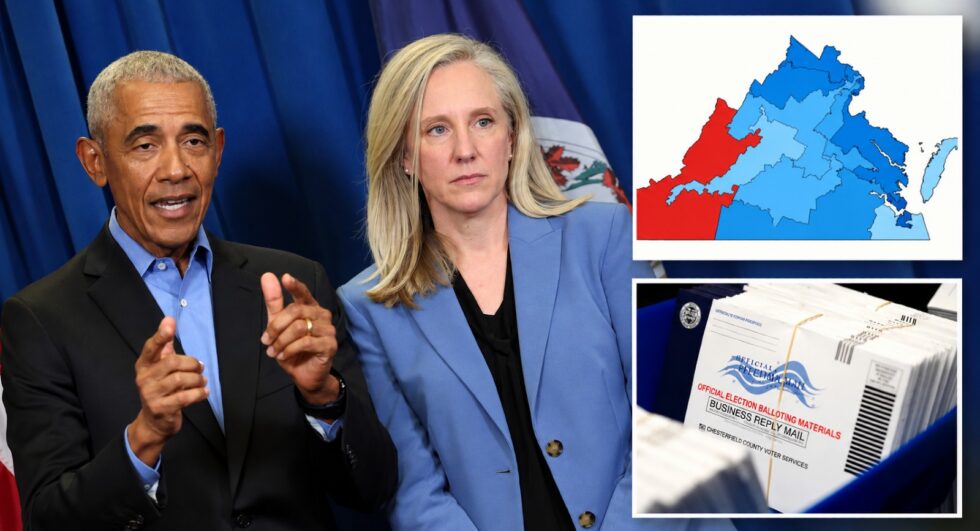
Election analyst E DataGuy reported 870,212 early and mail ballots in his October 22 Virginia update.
His graphic assigned 488,622 ballots to Democrats, 375,754 to Republicans, and 5,837 to other voters.
The model calculated a Democratic advantage of 112,868 ballots, which the analyst called a firewall.
The analyst characterized the Senate race as leaning Democratic, but conservatives are making a strong push.
Advertisement
His projected Democratic vote range was 49% to 55%, against a Republican range of 44% to 50%.
The graphic estimated final statewide turnout at 54%, a projection that remains uncertain until voting concludes.
These figures represent estimated partisan preferences, not votes officially counted for either Senate candidate.
Virginia voters do not register by party, making partisan classification of returned ballots particularly dependent on modeling assumptions.
Democratic Senator Mark Warner is seeking reelection against Republican challenger Bert Mizusawa, a retired Army major general.
Warner benefits from longstanding statewide recognition and substantial advantages in Virginia’s recent political landscape.
Mizusawa is campaigning to provide conservative Virginians with an alternative on federal spending, security, and government accountability.
His military background provides a distinctive credential for voters prioritizing national defense and leadership experience.
Virginia began early in-person voting on September 18, with opportunities continuing through October 31.
VIRGINIA – 10.22.26
🗳️ 870,212 votes in
🔵 Firewall of 112,868
🥇Race is leaning Democrat https://t.co/e0YhffFucj
— E_DataGuy (@E_DataGuy) October 22, 2026
Republicans nevertheless enter the closing stretch with extensive national financial resources supporting competitive congressional campaigns.
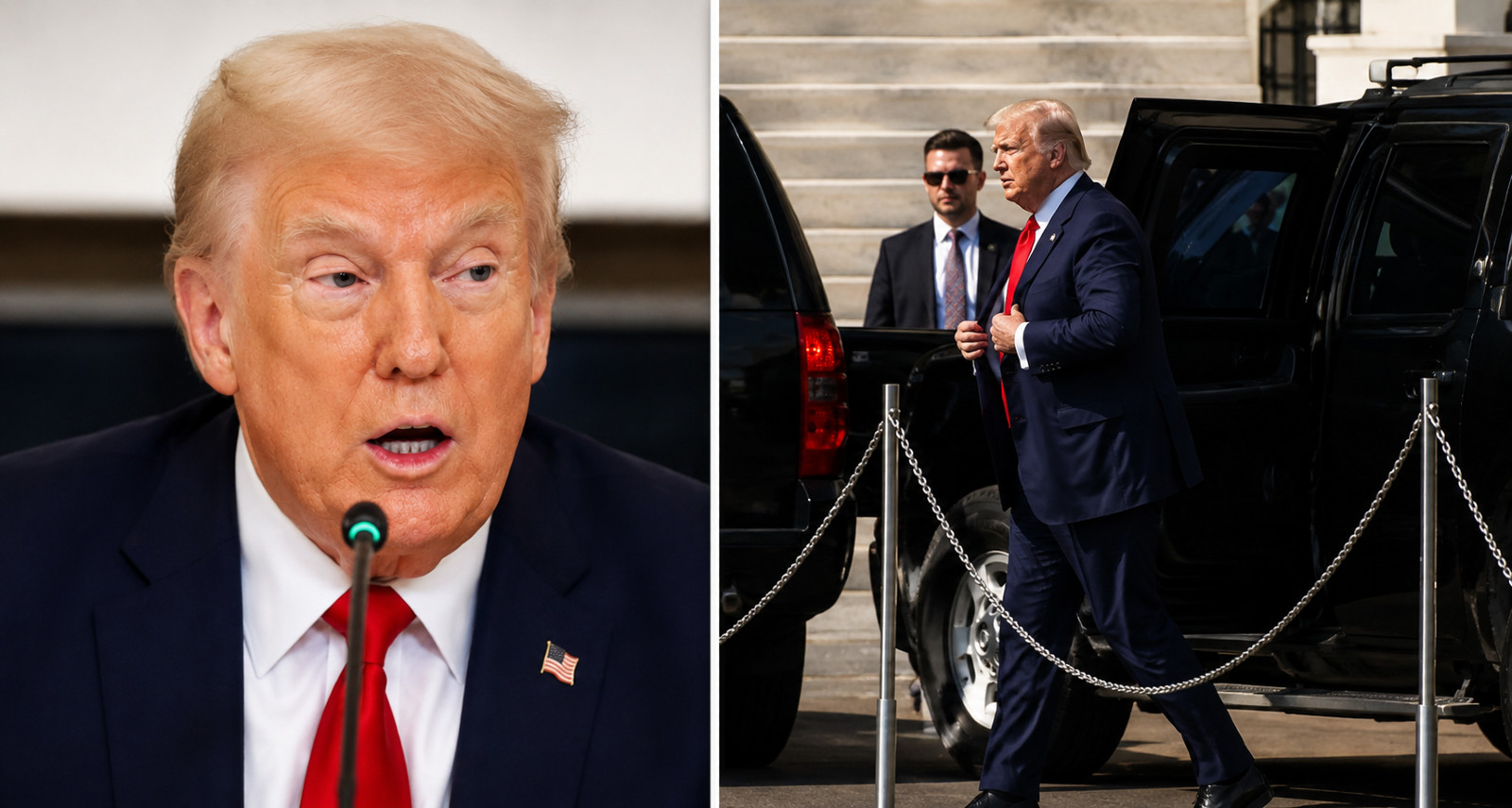
Donald Trump’s fundraising efforts represent one of the party’s largest sources of outside political spending.
His flagship super PAC, MAGA Inc., began September holding nearly $416 million, according to federal campaign finance filings.
Associated Press reported the organization spent nearly $277 million from early September through mid-October.
That spending included major transfers to other super PACs that purchased advertising in closely contested races.
Advertisement
MAGA Inc. transferred $200 million to No Going Back PAC and $25 million to Safety and Affordability PAC.
Federal filings showed MAGA Inc retained more than $164 million in cash on October 14.
That balance followed substantial spending and cannot be added to September’s earlier balance as simultaneous reserves.
Trump said his broader political operation intended to spend more than $400 million by Election Day.
Advertisement
His stated plan included advertising, rallies, voter contact, and turnout programs across multiple battleground states.
Reuters reported Trump-aligned committees spent more than $36 million supporting Republican Ken Paxton in Texas.
The same reporting identified approximately $30.1 million supporting Mike Rogers in Michigan and over $28 million supporting Jon Husted.
Prominent MAGA Inc donors include Diane Hendricks, Stephen Schwarzman, and Steve Wynn.
Reuters reported Wynn contributed $8 million in September, while Hendricks and Schwarzman each contributed $5 million.
The National Republican Congressional Committee announced raising $50 million during the third quarter of 2026.
Its September fundraising reached $28.5 million, including a $14 million transfer from the Republican National Committee.
The NRCC entered October with approximately $61 million available and reported $250 million raised during the cycle.
Reuters reported three major Republican Party committees held approximately $187 million at September’s end.
Advertisement
Their Democratic counterparts held approximately $100 million, giving Republicans a substantial combined cash advantage.
Republican committees spent approximately $137 million on coordinated congressional campaigning from July through September, Reuters reported.
Democratic committees spent approximately $55 million on comparable activity during the same period.
A Supreme Court ruling in June expanded coordinated spending opportunities for both political parties.
Those expanded opportunities help explain the large reported expenditures but do not guarantee electoral success.
Advertising costs can rise sharply near Election Day, limiting how much additional exposure campaign reserves can purchase.
Democratic candidates and outside groups retain substantial financial resources and continue competing aggressively nationwide.
For Virginia Republicans, the strongest documented national advantage is financial capacity, not the state’s current early voting estimate.
Mizusawa still must persuade voters beyond the Republican base to overcome Warner’s apparent advantage.
This article may contain commentary which reflects the author’s opinion.