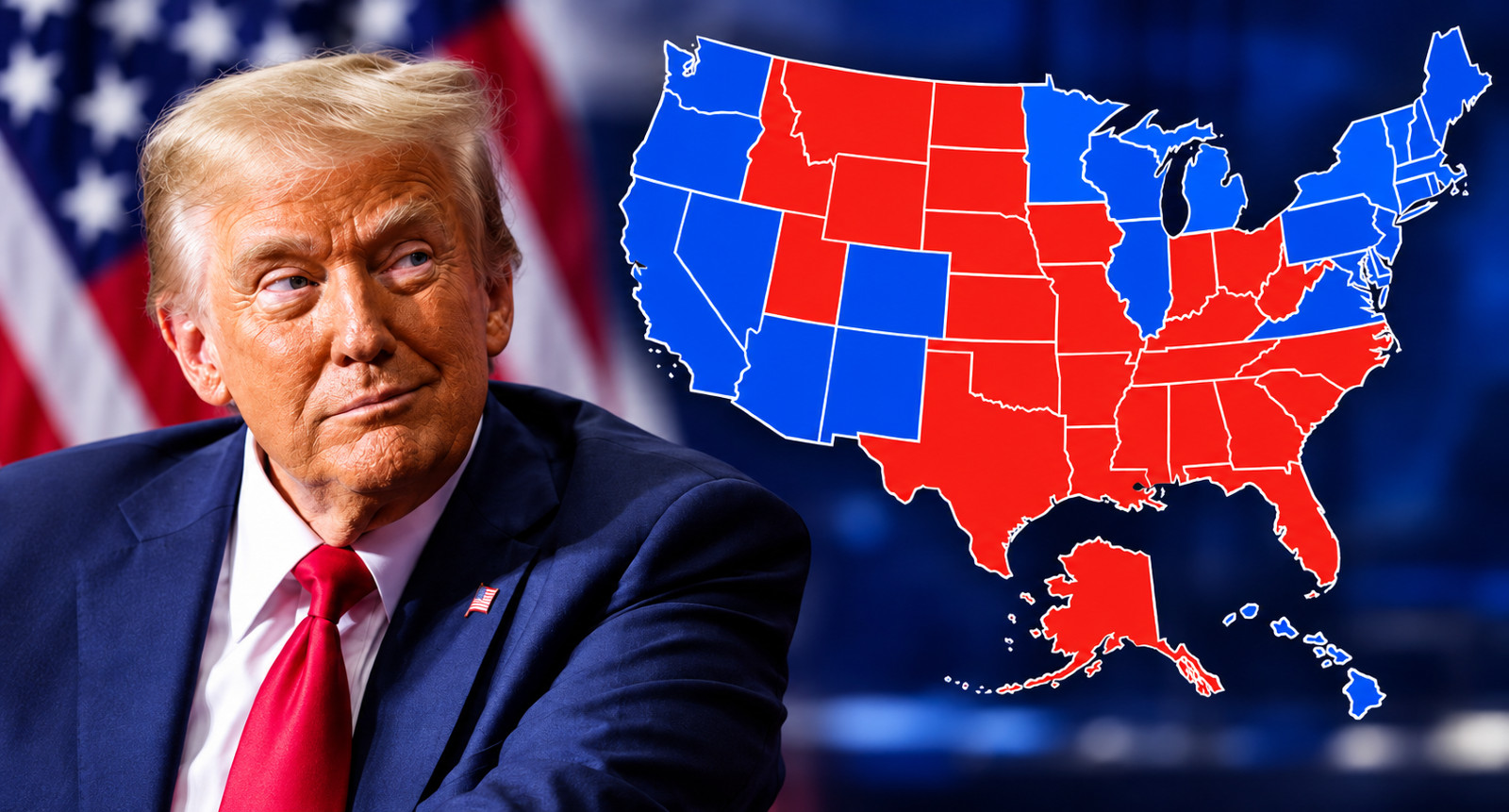
A governor’s race that drew three Republicans in the general election is projected to end a two-decade Democratic drought.
Advertisement
CNN’s Decision Desk projects former Democratic state lawmaker Jonathan Kreiss-Tomkins will win Alaska’s governor’s race, giving his party a rare statewide victory.
The contest featured a late endorsement from a Republican senator and an earlier withdrawal that left Democrats with one candidate.
Kreiss-Tomkins will become the first Democrat elected governor of Alaska in two decades when the result becomes official.
Advertisement
Born and raised in Sitka, the former state representative made affordability a central issue in his campaign for governor.
He also campaigned on expanding access to health care and protecting fisheries in a state with many rural communities.
CNN attributed part of his advantage to a divided Republican field and a difficult national environment for the governing party.
Three Republicans stayed in the race through the general election, giving Alaska voters several GOP candidates to choose from in the state’s controversial “ranked-choice” balloting.
Democrats began with two candidates advancing from Alaska’s all-party primary, which sends the top four finishers to the general election.
The other Democrat stepped aside to improve Kreiss-Tomkins’ chances, leaving him as the party’s sole candidate in the race.
That decision gave Democrats a single candidate to rally around while Republicans had three candidates competing for first-choice votes.
The primary and general election served different purposes, with the first narrowing the field and the second deciding the office.
The withdrawal let Democrats consolidate behind Kreiss-Tomkins before ballots were counted, leaving any further transfers to the ranked-choice process itself.
Republican candidates still had to make their own case for first place on ballots that offered voters three GOP choices.
Alaska’s ranked-choice system also allows voters to rank candidates beyond their first choice in the statewide general election.
Those additional rankings can come into play if the first-choice count fails to produce a candidate with a majority.
Advertisement
CNN pointed to the split as a factor in the outcome it projected, alongside the pressure Republicans faced nationally.
The Alaska race brought a cross-party endorsement from the state’s senior Republican senator in the final stretch of campaigning.
Senator Lisa Murkowski backed Kreiss-Tomkins as the campaign neared its end, giving the Democrat support from a prominent Alaska Republican.
Advertisement
The endorsement added a Republican voice to the Democrat’s campaign during the final stretch, when voters were making their choices.
His emphasis on fisheries brought an Alaska industry into a campaign otherwise centered on household costs and health care access.
His background as a former state representative gave him experience in Alaska government before he sought the governor’s office.
The projected victory concerns the governor’s office, one of the statewide contests shaping the national map after the midterms.
CNN reported that Democrats will control 30 governorships once the winners are sworn in, compared with 20 for Republicans.
That gives Democrats a 10-seat advantage among governors once the winners of this year’s elections take office across the country.
The population figures show a larger gap, with CNN estimating roughly 75% of Americans will live under a Democratic governor.
Advertisement
That estimate covers residents of the 50 states and reflects where people live once the newly elected governors take office.
Democrats will hold 60% of governorships nationwide, while Republicans will hold the remaining 40% after the new governors take office.
The population estimate accounts for the different sizes of those states, giving more weight to states with more residents.
Alaska adds a governorship to the Democratic column after two decades without electing a Democrat to the office.
Republicans now face the prospect of losing a governor’s office in a state that had resisted Democrats for two decades.
The endorsement gave voters a prominent example of a Republican elected official crossing party lines in the governor’s race, CNN reported.
CNN’s projection puts the Sitka native on course to move from representing part of Alaska to leading the entire state.
This article may contain commentary which reflects the author’s opinion.