A new confrontation over the Supreme Court is taking shape as Democrats prepare to wield their incoming congressional majorities.
Advertisement
The fight could extend beyond administration oversight, placing the judiciary itself under renewed political pressure.
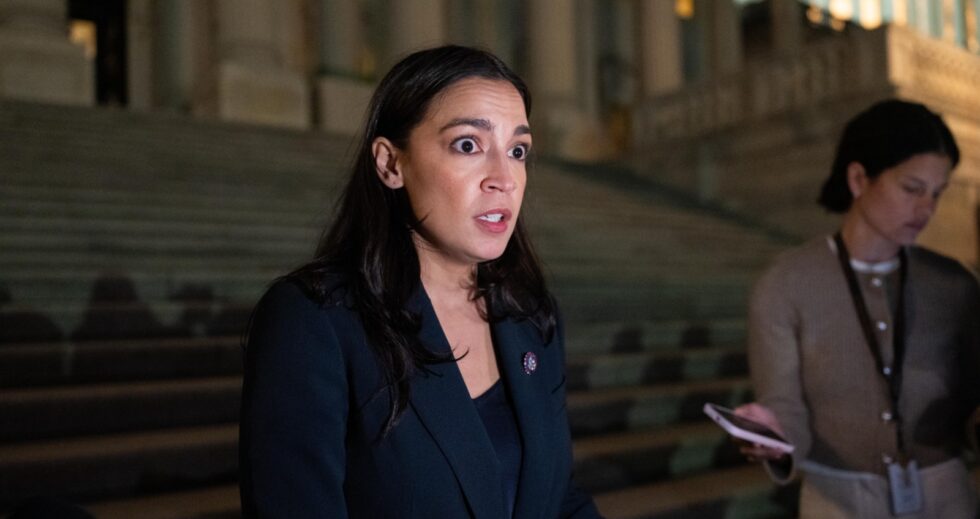
Rep. Alexandria Ocasio-Cortez suggested this week that impeaching Supreme Court justices should remain among Democrats’ options.
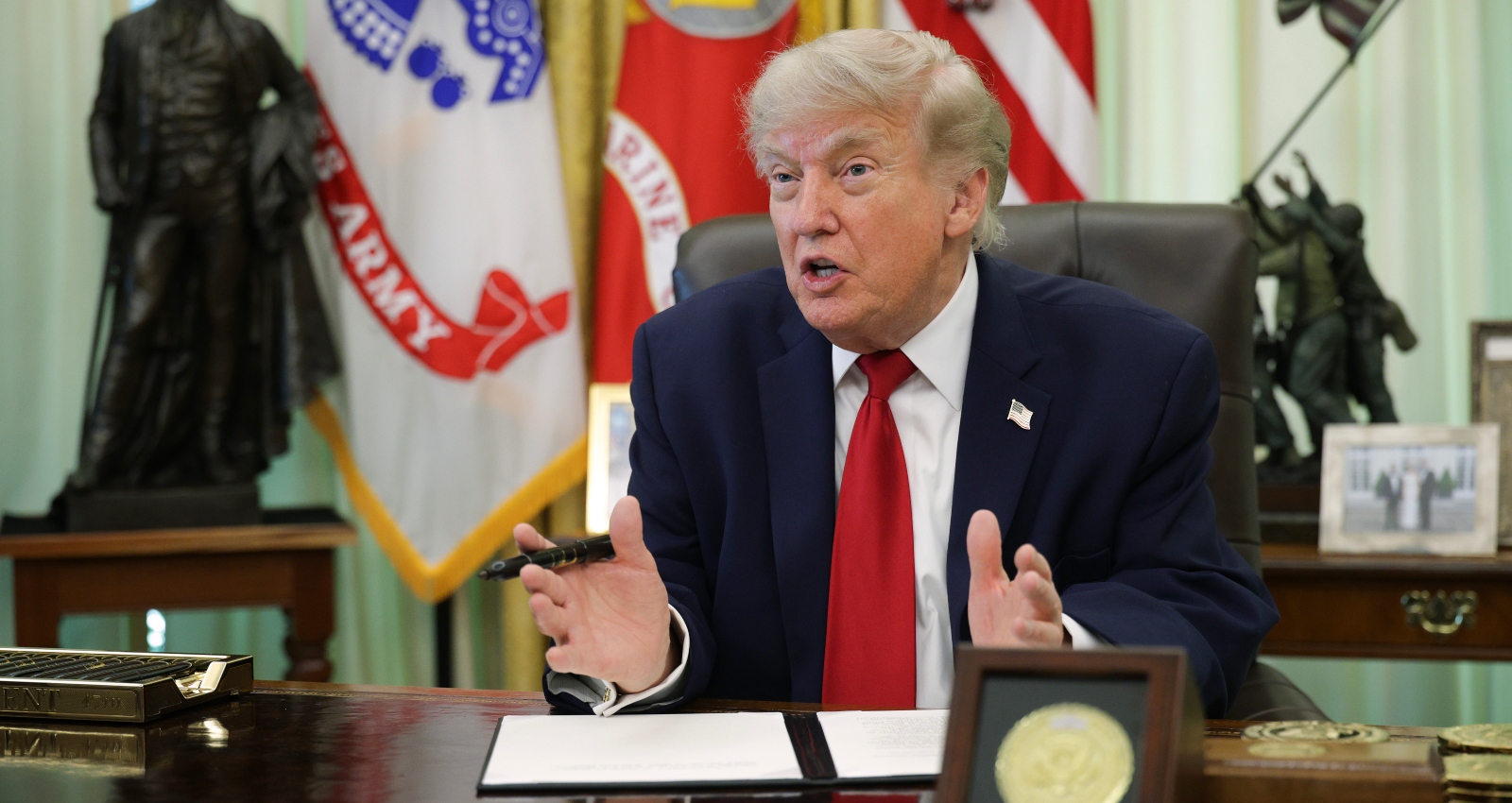
On CNN, Ocasio-Cortez accused the Court of having “kind of legalized” President Donald Trump’s criminality.
Her comments connected potential action against the justices with promises of extensive investigations into the Trump administration.
Advertisement
Ocasio-Cortez described administration officials as criminals and predicted repeated investigations and subpoenas.
“I mean, I think we should leave all options on the table,” she said. “But I think all options are on the table.”
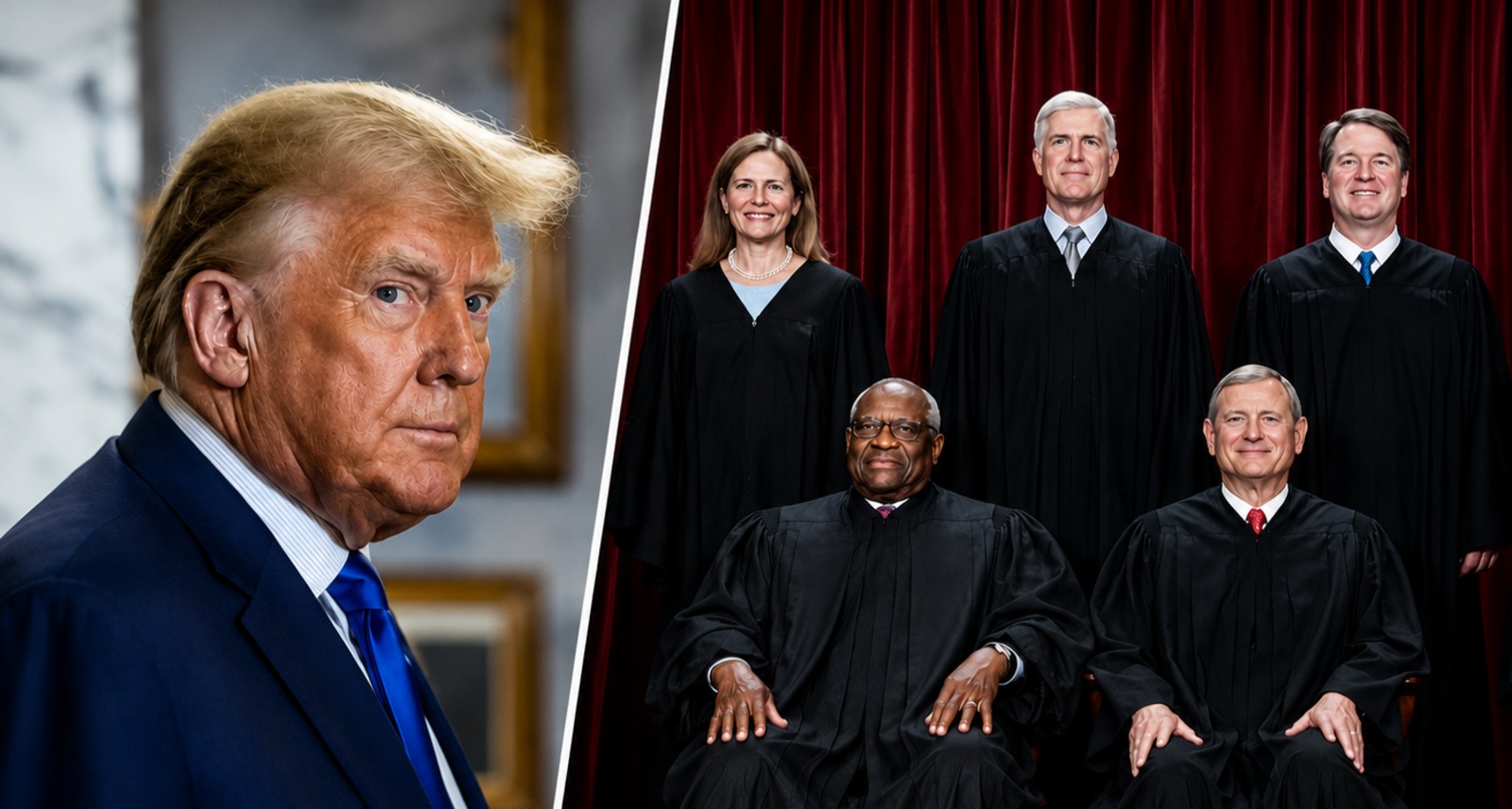
The remarks signal that congressional Democrats’ confrontation with Trump could also reach the conservative-majority Supreme Court.
Investigating wrongdoing is a legitimate congressional responsibility, but treating disliked rulings as grounds for removal raises different questions.
Judicial independence means little if remaining on the bench depends on satisfying whichever party controls Congress.
Ocasio-Cortez has previously supported impeaching conservative justices and questioned whether the Court’s current structure benefits the public.
“How much does the current structure benefit us?” she asked.
“And I don’t think it does.”
Conservative justices have repeatedly appeared in Democratic impeachment demands, alongside proposals to expand the Court or impose term limits.
The latest comments arrive as Democrats prepare to control both congressional chambers following the midterm elections.
That shift gives them new investigative authority, even as Trump retains the presidency and his ability to veto legislation.
Impeachment demands, subpoena proposals and funding disputes could therefore become prominent features of the next congressional session.
Justice Samuel Alito addressed the judiciary’s institutional vulnerability Thursday during the Federalist Society’s Antonin Scalia Memorial Dinner.
Advertisement
He warned that Congress controls financial resources necessary for the Court to operate.
Alito said lawmakers could effectively stop its work by withholding funding, emphasizing the importance of preserving judicial independence.
“So, it is important to preserve the independence of the judiciary,” he said, according to The Hill.
He did not mention the midterm elections or the coming transfer of congressional power during his remarks.
Advertisement
His broader warning nevertheless speaks to an institution facing political demands involving its membership, operations and authority.
Alito described the judiciary as the least powerful branch, vulnerable to both Congress and the executive.
But he also acknowledged that judges can misuse their authority, criticizing some lower court orders blocking presidential policies.
“They are dedicated and they are skillful, but they’re not perfect and they make mistakes,” Alito said.
“And in some instances, I think they have gone far astray in abuse of their powers.”
Those remarks recognize that defending judicial independence does not require pretending every judicial decision is beyond criticism.
The question is whether criticism leads to reasoned legal challenges or efforts to punish judges for their decisions, The Hill reported.
Justices Elena Kagan and Amy Coney Barrett visited Capitol Hill over the summer to advocate for judicial funding and security.
Advertisement
Their appearance came amid rising threat levels, underscoring the practical consequences of disputes over the judiciary’s budget.
Democratic proposals have included expanding the Supreme Court to 13 members, an approach conservatives have criticized as court packing.
Other Democrats have discussed investigations and subpoenas directed at the justices, including Rep. Jamie Raskin and Sen. Sheldon Whitehouse.
The emerging agenda combines several distinct pressure points: impeachment, oversight, structural changes and funding.
Those approaches involve different procedures and obstacles, making political demands easier to announce than to implement.
Trump’s continued presence in the White House remains a major obstacle to Democratic legislation changing the Court.
Congressional majorities alone do not guarantee that proposals to expand its membership will become law, ZeroHedge reported.
But investigations and impeachment rhetoric can still dominate Washington even when sweeping legislation faces an uncertain path.
This article may contain commentary which reflects the author’s opinion.