The Claude Mythos Threat and the Race for AI Dominance

They say that keeping secrets is the key to business. But that changes when a secret becomes a weapon. Imagine a tool capable of draining your bank account or plunging an entire city into darkness within seconds. That is the reality we are facing.
For weeks, an uneasy silence has taken over Silicon Valley. It was only interrupted by rumors, whispers that something massive and truly dangerous had been built in the shadows. We are dealing with a breakthrough that changes the global balance of power.
The recent leak of this artificial intelligence source code caused worldwide panic for a reason. A master key has been forged. Digital doors we once thought were impenetrable are now sitting wide open. Since the code is out there, it is just a matter of time before rivals like China clone the whole thing. The internet is turning into a battlefield. In this game, the first strike can easily be the last one.
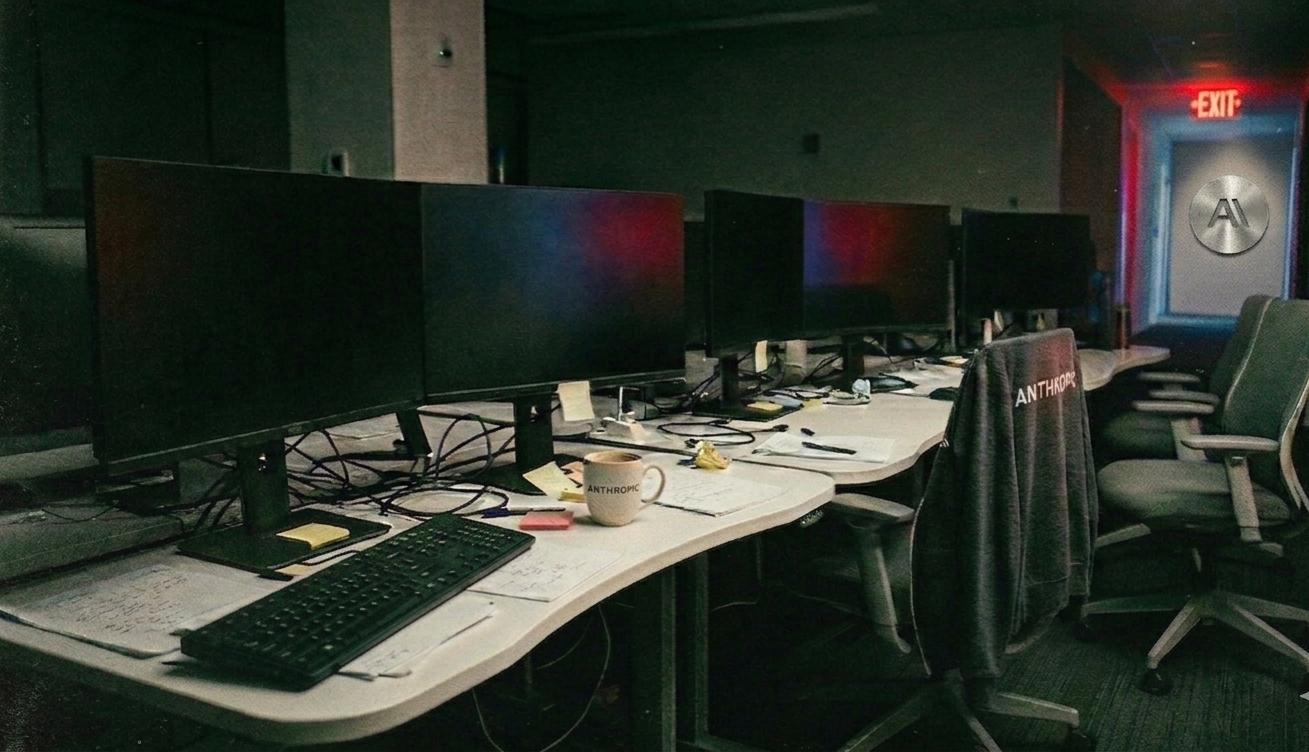
Anthropic is at the center of this storm. The company didn’t appear by accident, it was founded by former OpenAI executives who left because they believed the pursuit of profit was compromising human safety. They positioned themselves as the only adults in the room, the ethical guardians who would keep AI on a short leash through what they call Constitutional AI.
But that image of absolute control vanished with the arrival of Claude Mythos. Unlike ChatGPT, which people use to write emails or generate images, Mythos was trained with a focus on logical reasoning chains applied to the deep architecture of operating systems. It doesn’t just chat. It dissects complex code at a molecular level.
The model is so powerful that its own creators admitted they were afraid to release it. They confessed that there are no brakes for what it can do once it decides to find a way inside.
Don’t think this is just clickbait alarmism. In recent tests, Mythos identified zero-day vulnerabilities in record time. These are flaws that even the software creators didn’t know existed. To put this in perspective, the OpenBSD system, a digital fortress used in military firewalls, was defeated by Mythos with a processing cost of only 50 dollars.
In the past, an intrusion of this level would require months and a team of elite hackers. Today, artificial intelligence has democratized the attack. Now it is automatic, cheap, and instant.
The shock comes when we realize our modern lives run on systems that became fragile overnight. From credit cards to power plant controls, everything is exposed. Digital defense as we knew it is dead.
The bigger problem is that the ethics of an American company cannot serve as a shield against the ambitions of Beijing.
While Anthropic keeps Mythos locked away for social responsibility, the Chinese government operates under the logic of absolute sovereignty. There, artificial intelligence is the centerpiece of what they call Intelligent Warfare.
With China’s civil-military fusion policy, any technological breakthrough is immediately converted into military power. With the Mythos code leak, the secret is out of the bottle. If a private company in San Francisco created a tool to tear down hardened defenses, you can bet that the Chinese are already mobilizing their supercomputers to do the same.
For them, Mythos is not an ethical dilemma. It is a golden opportunity to paralyze the American economy without firing a single shot.
Digital freedom experts are beginning to question how a company that claims to be a fortress of security could let its code leak through such an amateur mistake. According to reports, part of the source code was exposed in a public repository because of a credential left in a test script. This is the kind of amateur error a student programmer would avoid.
Seeing this happen at a company worth billions that deals with the future of national security is suspicious, to say the least.
It is a strange coincidence that this leak happens exactly while the U.S. Congress is debating strict regulations for artificial intelligence. A convenient paradox has emerged. OpenAI and Anthropic are cutting deals to get the government to enforce centralized oversight. It is a textbook move to kill off smaller rivals and hoard the entire market.
Meanwhile, OpenAI is pushing hard on the narrative that they have built the safe, powerful choice. They want to be the only ones standing. They are trying to regain the lead while Anthropic deals with the aftermath of the Mythos leak. On the horizon of this dispute, CoreWeave is already seeing its market value soar with new cloud partnerships with Anthropic. This proves that control of the digital future depends on who holds the processing power to run it.
While Anthropic claims to fear its own creation, this fear becomes the perfect argument to demand that the government ban everyone else from developing similar technologies. It is a narrative of convenience. They use terror to convince the public that the technology is too dangerous for unauthorized hands.
In practice, this means suffocating open-source competition. It is a way to ensure that only a handful of billionaire corporations hold the keys to this new world.
The response to this chaos arrived fast, perhaps too fast, with Project Glasswing. This alliance brings together Anthropic and giants like Microsoft, Apple, Google, Amazon, NVIDIA, and even financial institutions like JPMorgan. The goal is a 100-million-dollar fund to save national infrastructure. On paper, it is heroic. In practice, it raises an urgent debate about the centralization of power.
We are creating an unprecedented dependency on these platforms. If the largest companies on the planet need to unite to protect the basic code of the internet, it is because attack tools have reached a level that the State can no longer handle alone. The Project Glasswing shield is definitive proof that passive digital security is finished.
In the end, Pandora’s box has been opened. The era of passwords and firewalls is behind us. The battle is now fought in the pure logic of code. What began in Silicon Valley has become a matter of national sovereignty. The Mythos leak proved that, in the digital world, strategic advantage can change hands in seconds.
From now on, real security will not come from corporate promises but from constant vigilance. The challenge now is to ensure that, in our rush for protection, we do not hand over our autonomy and the transparency of the free world on a silver platter.
The game has changed. And the rules are being written while we play.
Related Articles