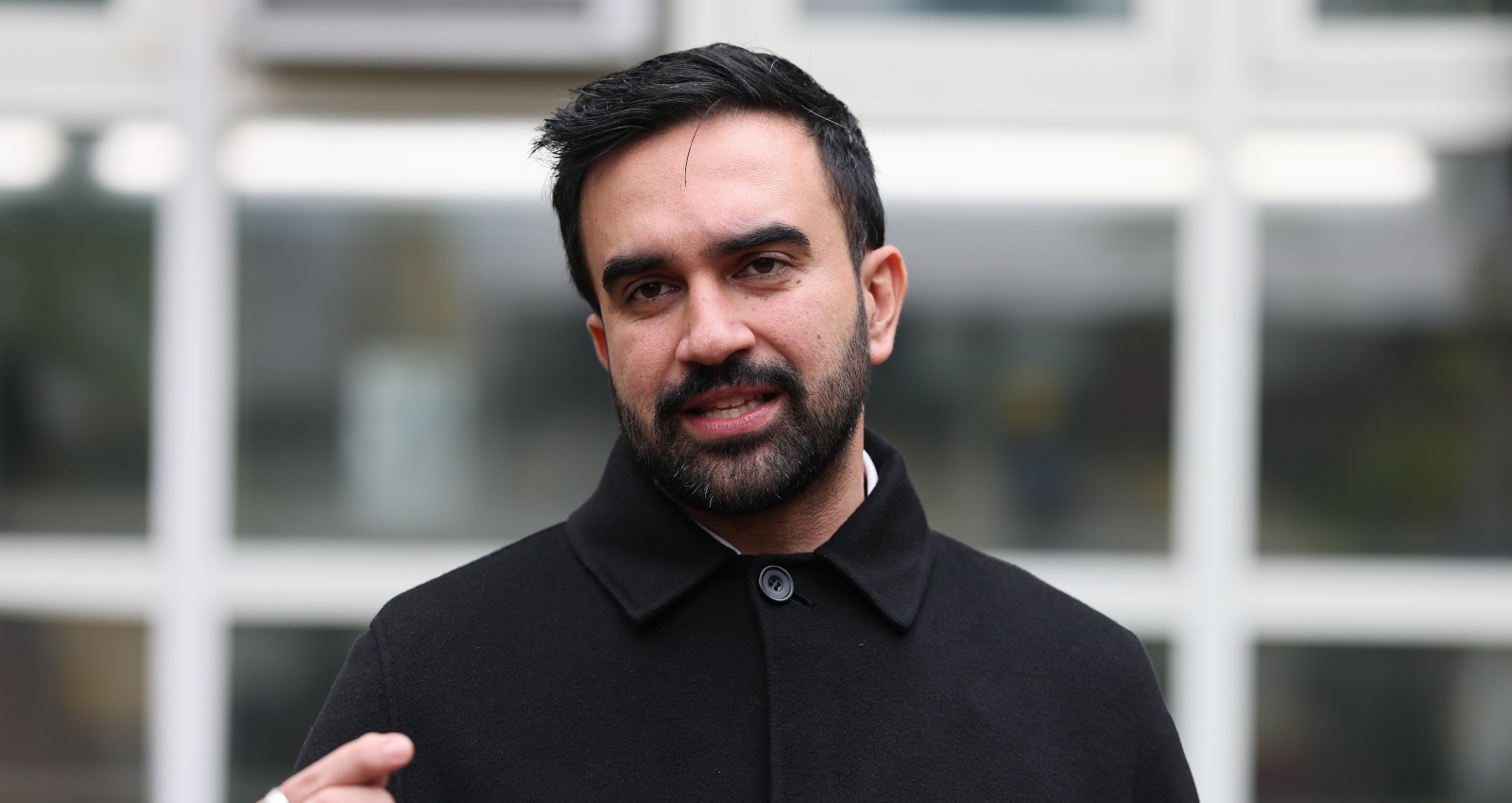
Dr. Sunny Patel, a former senior executive at the Substance Abuse and Mental Health Services Administration (SAMHSA), told The Insider that he and his colleagues were given a target figure in dollars and an Excel formula to calculate savings. DOGE representatives specified which contracts should be terminated, while SAMHSA officials tried to protect the most important ones. “We had to reach a specific number, and there weren’t that many options for cuts,” Patel said. “In the end, it came down to: ‘Well, I guess we’ll sacrifice this one,’ simply because it was the lesser of evils.”
Media investigations showed that the greatest effect was achieved only through staff reductions across agencies. At the same time, cutting positions “saves” a relatively meager $40–50 billion per year. Around 60% of the $7 trillion U.S. federal budget is allocated to social programs such as Social Security and Medicare, which Trump had promised not to touch. Meanwhile, mass layoffs resulted in large severance payments, costly lawsuits, and the rehiring of more than a third of dismissed employees, leading to increased costs in 2025.
As of now, the Trump administration has dismissed, laid off, or accepted resignation agreements (with severance pay) from more than 387,000 employees. Over the same period, the administration has hired approximately 123,000 people.
At the same time, rehiring in some cases is carried out exclusively under the terms of the Trump administration, which selects applicants who demonstrate loyalty to Trump’s policies, undermining the principle of a nonpartisan civil service. For example, within USAID (or rather, what remains of it after its dissolution and incorporation into other agencies), rehiring previously dismissed employees has been prohibited.
According to officials, this is intended to prevent any “conflict of interest,” but in many cases the ideological orientation in hiring is explicit. For instance, in immigration services, applicants are now required to be prepared to “defend their homeland and culture,” and candidates must explain how they intend to support the implementation of Trump’s executive orders and policy priorities.
Domestic consequences for the United States
The handiwork of DOGE has affected America itself. In February 2025, the Trump administration announced the layoff of seven thousand employees from the Social Security Administration (SSA) — about 12% of the agency’s total staff — and the closure of 47 regional offices, describing the move as “optimization.”
At the same time, DOGE attempted to gain access to SSA databases and those of other departments. SSA head Michelle King refused to grant access and subsequently left her post (it remains unclear whether she was dismissed). Experts had previously spoken out against allowing DOGE access to the Treasury payment system and the taxpayer database, but Trump did not heed these concerns. Musk and his team gained access to all three systems, which contain the sensitive data on the overwhelming majority of Americans.
Nancy Altman, president of the advocacy group Social Security Works, commented on DOGE’s actions, saying:
“This breach cannot be overstated in its seriousness. The information collected and securely maintained by the Social Security Administration is highly sensitive. The SSA has data on every holder of a Social Security number (which is virtually all Americans), on every Medicare beneficiary, and on every low-income American who has ever applied for benefits under the Supplemental Security Income program — a means-tested system of payments.”
After gaining access to this data, DOGE quickly made a series of “false claims” as part of an attempt to justify the utility of its activities. For example, Musk and his team “discovered” in SSA databases that the agency was paying benefits to deceased people who were supposedly more than 150 years old. Musk wrote about this extensively on X, touting what he claimed to be proof of corruption within the SSA.
In reality, neither Musk nor his team understood the nuances of how data is stored and managed in government agencies. The data they pointed to turned out to be a long-known system glitch — a legacy programming issue in the language used by the agency, and in actual fact, no payments were being made to 150-year-old people. Of course, errors in SSA payments have occurred: between 2015 and 2022, 0.83% of payments were made “improperly,” most often in the form of overpayments to Social Security recipients whose data was not up to date.
However, DOGE’s efforts do not appear to have addressed this real problem. Instead, its decision to access the agency’s confidential data led to a major legal scandal and possibly one of the largest personal data breaches in the history of the U.S. federal government. DOGE attempted to obtain full access to the NUMIDENT database, which contains personal, financial, and medical information on 70 million beneficiaries, but in April 2025, a court barred DOGE from unrestricted access to the data and ordered the agency to delete the information it had already obtained, noting that the presence of deceased people’s names in the database does not mean that benefits continue to be paid to them.