The U.S. Supreme Court ruled in favor of a U.S. firm seeking damages under a 1996 statute targeting Cuba’s communist dictatorship, 65 years after Cuba’s communist government confiscated U.S. assets.
The justices ruled 8-1 in Havana Docks Corporation v. Royal Caribbean Cruises that Havana Docks, a U.S. company that owned the right to use and operate the port of Havana before 1960, could receive hundreds of millions of dollars from cruise lines between 2016 and 2019, even though the company’s control would have expired in 2004.
Advertisement
One provision of the law allows U.S. nationals to bring lawsuits in federal court against anyone who “traffics in property that was confiscated by the Cuban Government on or after January 1, 1959.”
The other gives the president the power to suspend the right to bring a lawsuit when he believes that doing so is “necessary to the national interests of the United States and will expedite a transition to democracy in Cuba.”
From 1996 until 2019, when President Donald Trump declined to renew the suspension, U.S. presidents repeatedly suspended the right to bring a lawsuit.
Havana Docks claimed that cruise lines have trafficked in its right to use and manage the Havana Cruise Port Terminal, which the Cuban government nationalized in 1960, between 2016 and June 2019.
Advertisement
A Miami federal district judge awarded Havana Docks roughly $400 million.
After the cruise lines appealed, the 11th Circuit reversed 2-1.
After Havana Docks appealed, the Supreme Court overturned the 11th Circuit’s decision on Thursday and sent the case back to the lower courts.
Writing for the majority, Justice Clarence Thomas explained that the key question in the case is whether, for purposes of the Helms-Burton Act, the “property which was confiscated by the Cuban Government” was Havana Docks’ right to use the docks (that is, the company’s “property interest in the docks”), or whether it was the docks themselves.
The answer to that question, Thomas continued, is that the “property which was confiscated” can refer both to “the plaintiff’s interest in that property” and, more broadly, to the physical property itself – such as the docks in this case.
Therefore, Thomas wrote, “confiscated property” such as the docks “is, as it were, tainted—off limits—such that anyone who uses the property can be liable to those who had an interest in the tainted property.”
Applying that analysis to the case before him, Thomas reasoned that “the Cuban Government seized control of ‘property’—the docks that Havana Docks built—in 1960. At that point, the docks were tainted as confiscated property, … ‘the use of’ which the United States sought to ‘deter’” with the Helms-Burton Act.
“The cruise lines later used the confiscated docks—property to which Havana Docks owns a certified claim—when they transported nearly a million passengers to Cuba between 2016 and 2019. The Court of Appeals therefore, erred in concluding that Havana Docks failed to establish these requirements for” liability under the Helms-Burton Act.
The majority referred the case back to the lower court to explore the cruise lines’ additional liability defenses.
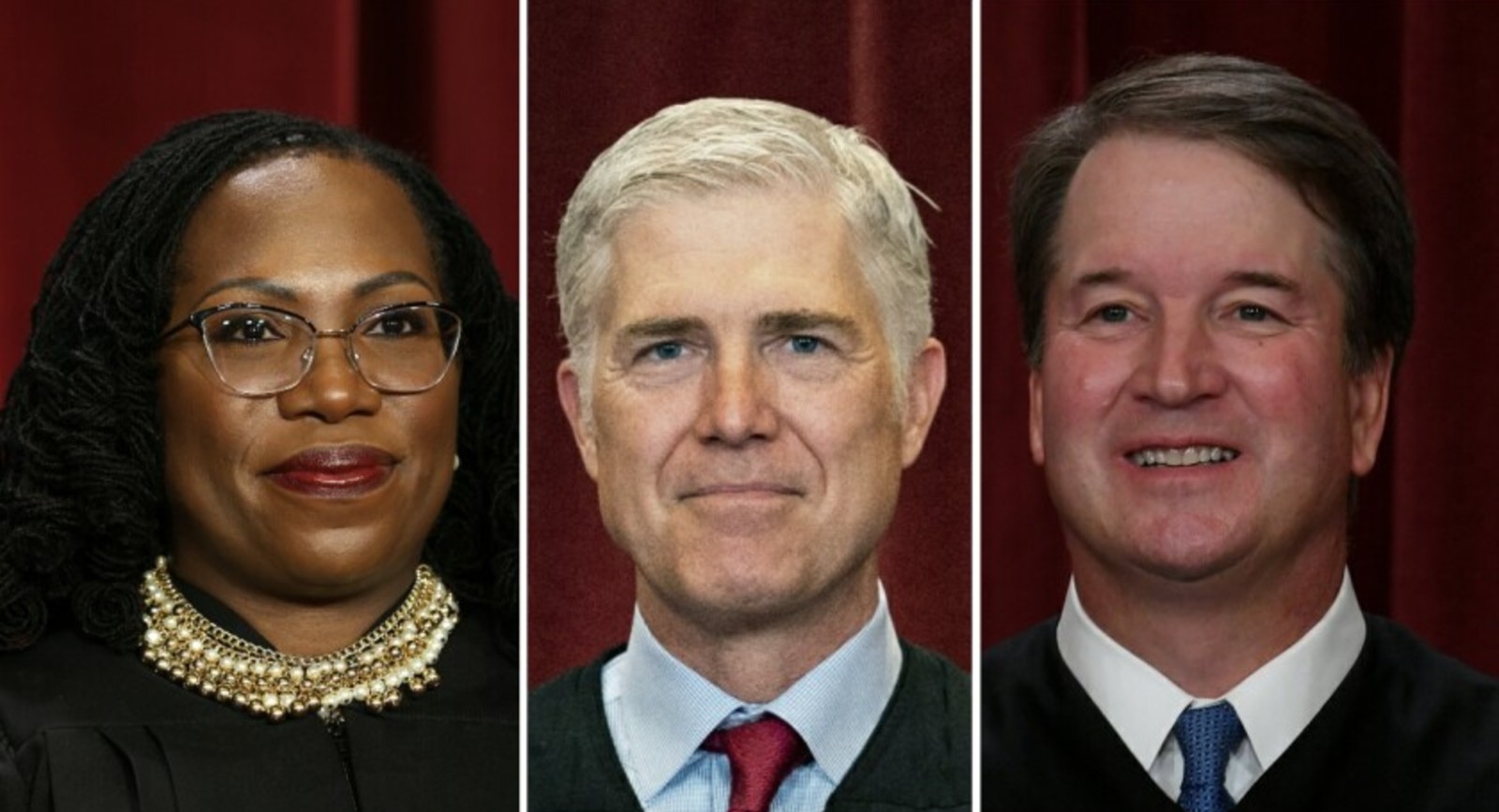
Brett Kavanaugh joined Sonia Sotomayor’s concurring opinion.
Sotomayor noted an issue that “raises significant concerns” when the case returns to the lower court or in Helms-Burton Act cases.
Sotomayor argued, Havana Docks’ interpretation of the Helms-Burton Act “could allow it to recover a potentially unlimited amount of money from an unlimited number of people who use the confiscated docks at issue.”
Although Havana Docks’ claim for its loss of its interest in the docks was certified as $9 million in 1960, Sotomayor noted, it could “recover millions, if not billions, of dollars over and over again, so long as anyone continues to make any commercial use of the docks.
Second, Sotomayor questioned whether the cruise lines might be shielded from liability under an exception to the Helms-Burton Act for “transactions and uses of property” related to legal travel to Cuba.
This article may contain commentary which reflects the author’s opinion.