As of Jan. 1, 2026, the Department of Government Efficiency reports $215 billion in savings, or roughly $1,335 per taxpayer.
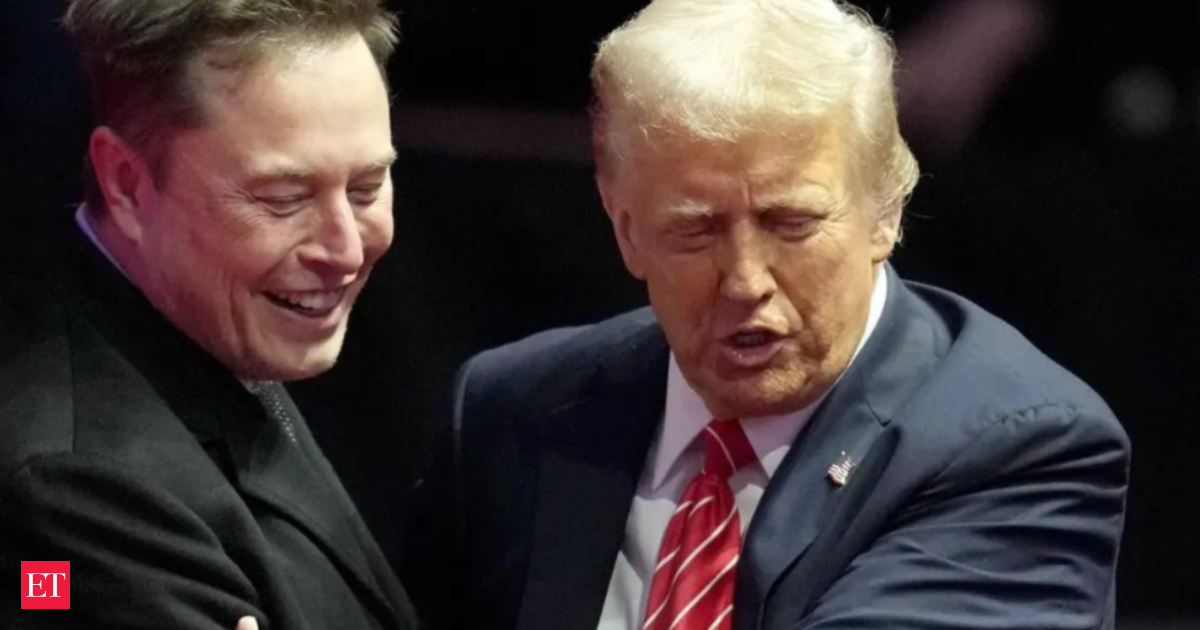
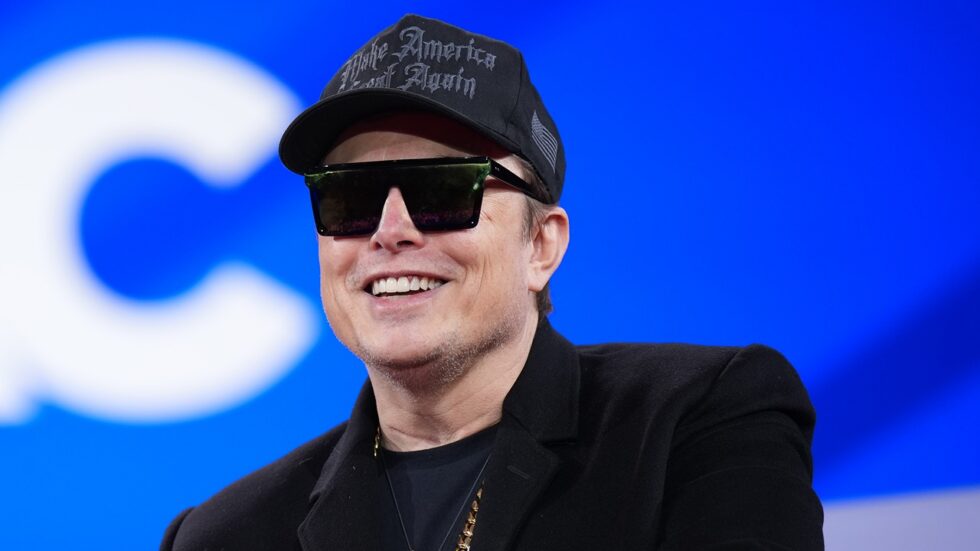
Established in the early months of the second Trump administration and initially led by Elon Musk, DOGE set out to eliminate waste, fraud, and inefficiency in federal spending. Early results suggest those efforts are not only trimming federal excess but also sparking a broader push for fiscal discipline at the state and local levels.
The American social contract relies upon a citizenry able to trust their government to properly steward taxpayer dollars. Waste, fraud, and abuse in programs at all levels of government undermine this trust and cost trillions of dollars over time. According to the Government Accountability Office, federal agencies reported $186 billion in improper payments across 64 programs in fiscal year 2025, with 73% concentrated in only five programs—including Medicare, Medicaid, and SNAP.
DOGE notoriously facilitated restructuring at the U.S. Agency for International Development, which funneled federal money into malicious and inefficient pet projects with little oversight. According to a Challenger report, “DOGE Impact” was the leading reason behind 293,753 planned layoffs by November 2025, many of which were unproductive public sector jobs. Another 21,000 layoffs can be attributed to downstream DOGE effects, reflecting the loss of federal funding to private and nonprofit entities.
DOGE’s federal momentum has also prompted analogous efficiency initiatives at the state level. For example, Florida Gov. Ron DeSantis’s DOGE task force conducted comprehensive reviews of local governments, state universities, and agencies, resulting in the return of $878 million in unspent federal assistance to the U.S. Treasury.
The task force’s January 2026 report documented examples of wasteful, partisan spending priorities, including Orange County’s $322,000 discrimination in government contracting disparity study, Miami-Dade County’s $2 million Office of New Americans (which provides support for illegal aliens), and Orlando’s $1.8 million budget allocation for gender-neutral bathrooms in fire stations.
Such examples of blatant fiscal irresponsibility highlight the tension between bloated budgets and fiscal discipline in municipal governance, even in conservative states.
Oklahoma’s DOGE-OK initiative, established by Gov. Kevin Stitt, produced savings of $31,652 from contract negotiations, $888,900 in terminated consulting contracts, and $2.17 million in medical marijuana job cuts. The team also leveraged process intelligence tools to identify $8.48 billion in statutory exempt purchases, $190 million in flagged purchase card transactions, and $3 billion in off-contract spending.
In Indiana, an extreme—possibly fraudulent—level of Medicaid billing for Autism Services was uncovered upon the release of federal Medicaid data. With the open sourcing of federal records, DOGE efforts are even more feasible. For example, Michigan’s House DOGE Caucus sought to halt fraudulent payments to an estimated 12,000 Medicaid millionaires, estimating $1.8 billion that could be prevented through efficiency efforts.
A renewed focus on fiscal transparency in federal and state benefits programs exploded, leading to a rise in citizen-led anti-fraud investigators like Nick Shirley. His inspection of Somali daycares in Minnesota exposed nearly $110 million in potential fraud in addition to the broader Feeding Our Future case, estimating $250 million in fraudulent receipts. Shirley continues highlighting waste and abuse across the country, recently exposing $170 million in potential fraud within California’s hospice and daycare programs.
To address this rampant fiscal irresponsibility, the Trump administration launched a nationwide fraud task force headed by Vice President JD Vance with the objective of ending fraud and the pilfering of taxpayer dollars. Vance recently put all 50 states on notice regarding Medicaid integrity and specifically deferred $1.3 billion in Medicaid funding to California over suspicions of fraud.
DOGE efforts are needed now more than ever. Reducing government spending by eliminating fraud and abuse may tame long-term inflationary pressures and lower debt burdens that result from wasteful federal disbursements. As the Trump administration continues to pursue fiscal responsibility at the federal level, bipartisan state commitment to oversight, efficiency, and fraud prevention is vital.
These DOGE initiatives represent a meaningful shift toward greater scrutiny of government spending that could restore institutional credibility and deliver lasting value for taxpayers.