President Donald Trump has given Iran many chances to comply with a negotiated cease-fire after months of bombing the Middle Eastern country over its continued nuclear weapons development.
But the mullahs and the military factions still running the country didn’t take those opportunities, and now they are facing the consequences.
Speaking at a two-day NATO summit in Ankara, Turkey, Trump said the ceasefire between the United States and Iran has ended following a new round of military strikes after Iran attacked commercial shipping in the Strait of Hormuz again.
The remarks came after the United States launched what officials described as its largest series of strikes against Iranian targets since the two countries agreed to a memorandum of understanding last month.
U.S. Central Command carried out the strikesried out in response to Iran’s attacks on ships transiting the strategic waterway.
According to reports from multiple maritime agencies, Iranian forces struck at least three commercial vessels, including a Saudi-flagged crude oil tanker, while other ships sustained damage from projectiles.
According to U.S. Central Command, American forces struck more than 80 Iranian military targets, including air defense systems, radar installations, missile-related facilities and vessels operated by the Islamic Revolutionary Guard Corps (IRGC) in Bandar Abbas, Bushehr and other locations across southern Iran.
Iran responded by launching missiles and drones at U.S. military installations in Bahrain and Kuwait, further escalating tensions between the two countries.
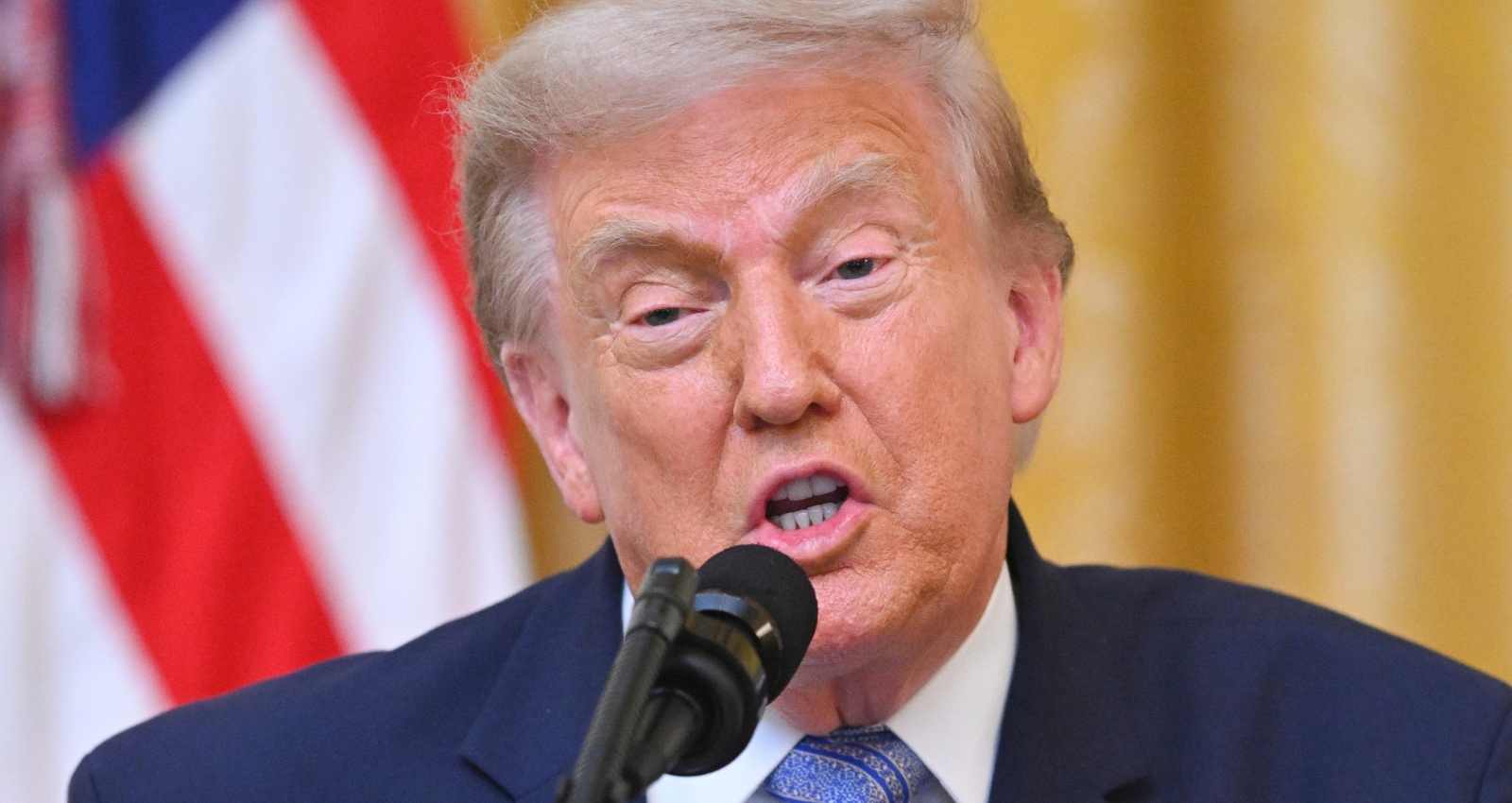
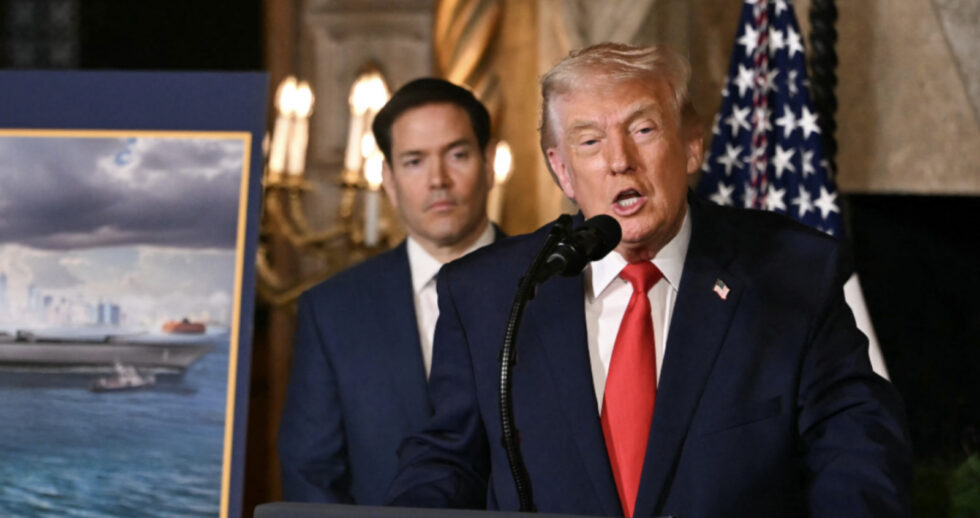
Speaking with reporters in Ankara, Trump addressed the latest military strikes and said he no longer intended to negotiate with the Iranian government, accusing Tehran of negotiating in bad faith throughout the diplomatic process.
“For me? I think it’s over. I don’t want to deal with them anymore. They’re scum,” Trump said. He added that Iranian leaders are “liars, they’re cheats. They’re sick people.”
Trump further described the situation as “a waste of time” and added, “As far as I’m concerned, it’s over.”
Trump said U.S. negotiators were free to continue discussions with their Iranian counterparts if they chose, describing the American negotiating team as “good people.”
However, he expressed deep skepticism that Tehran would negotiate in good faith or honor any future agreement.
President Trump declared that the ceasefire with Iran is over: “To me, I think it’s over. I don’t want to deal with them… They’re scum. They’re sick people.”
Follow: @AFpost pic.twitter.com/cRZRslYTby
— AF Post (@AFpost) July 8, 2026
The ceasefire referenced by Trump was established under the Islamabad Memorandum of Understanding, which the United States and Iran signed on June 17 following mediation by Pakistan and other parties.
The agreement created a 60-day negotiating period intended to facilitate a broader settlement to the conflict.
The memorandum included provisions addressing maritime security in the Strait of Hormuz, a temporary suspension of hostilities, and negotiations over issues including economic sanctions and Iran’s nuclear program.
The United States and Iran agreed to an initial two-week ceasefire in April, which President Donald Trump later extended. In June, the two sides adopted a new 60-day framework under the memorandum to provide additional time for negotiations aimed at reaching a broader agreement.
Although both governments accused one another of violating previous ceasefire arrangements during the negotiating period, the latest U.S. strikes marked Washington’s most significant military response since the ceasefire took effect.
Trump also said the United States remains committed to preventing Iran from obtaining a nuclear weapon, reiterating the administration’s objective of dismantling Iran’s nuclear program.
In broader remarks, he compared aspects of Iran’s leadership to a medical condition that, in his view, required early intervention.
Before the latest escalation, the United States had offered limited oil-related concessions as part of the memorandum framework.
Those concessions were later withdrawn following the attacks on commercial shipping. During the negotiations, Iran sought a greater role in managing traffic and imposing fees in the Strait of Hormuz, proposals the Trump administration rejected.
This article may contain commentary which reflects the author’s opinion.