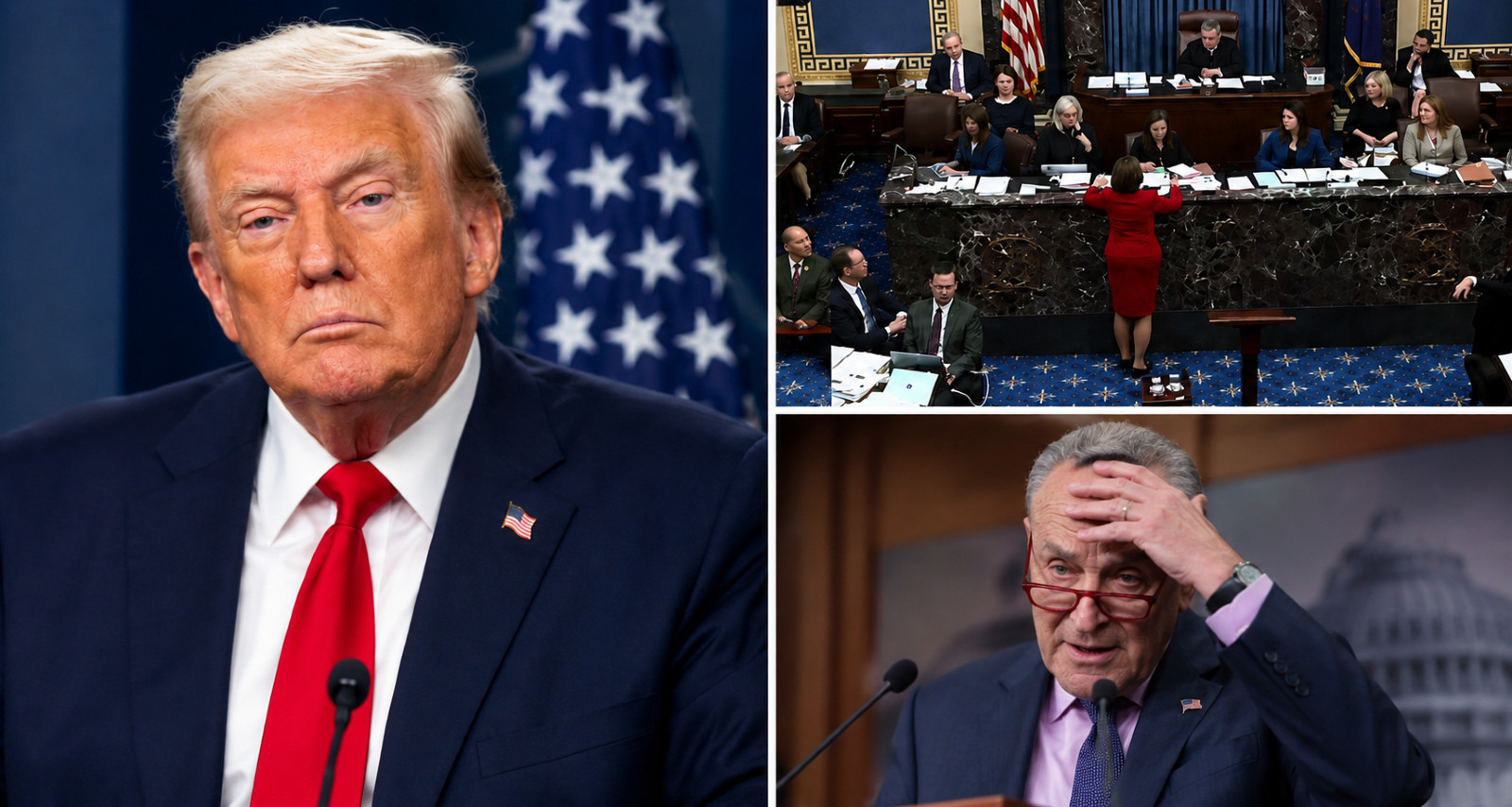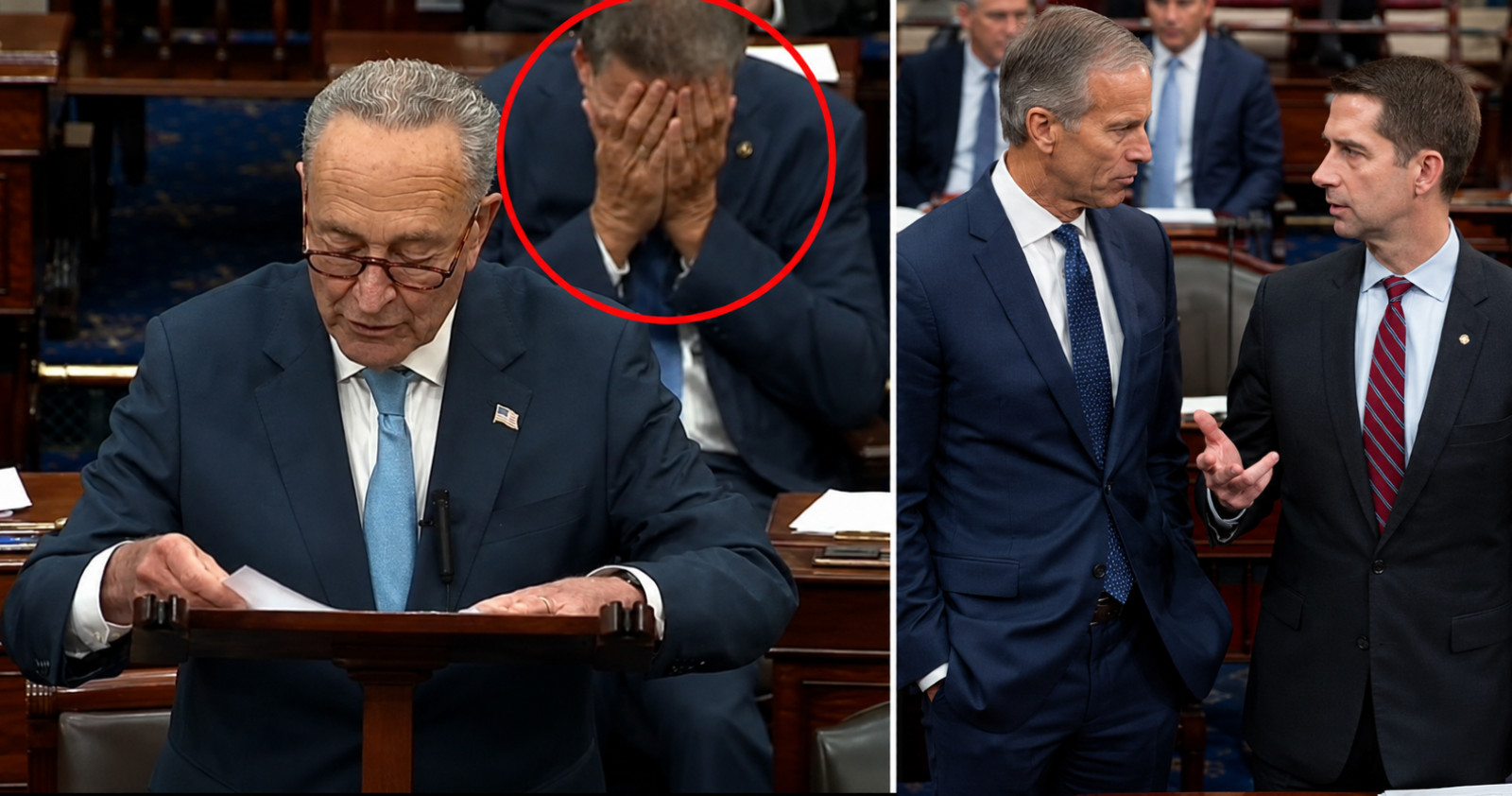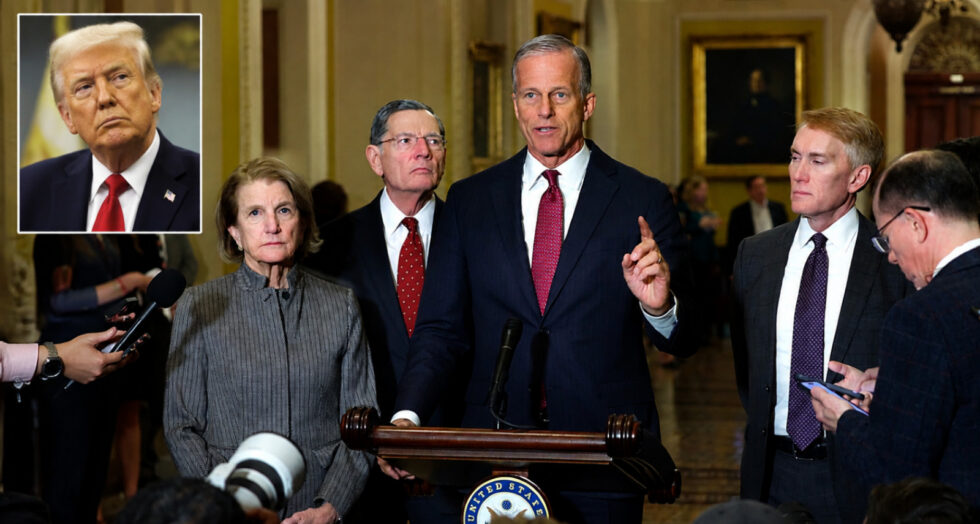
Senate Majority Leader John Thune just got a big update after President Donald Trump signaled he would not back the GOP leader for another term following November’s midterm elections.
The president’s stance stems from Thune’s firm resistance to scrapping the filibuster in order to push through top priorities, including the Safeguard American Voter Eligibility (SAVE America) Act aimed at strengthening election integrity.
Advertisement
However, Senate Republicans are rallying around Thune and insisting that he retains their complete backing, even if Trump were to support an alternative candidate.
They credit the South Dakota Republican with skillfully managing a tough environment shaped by slim majorities, Democratic resistance, and the inherent constraints of Senate rules.
Advertisement
“There’s a lot of respect for John Thune. There’s a lot of recognition of how he works and how difficult his job is and a belief that he’s doing it really well under difficult circumstances,” said Sen. Jerry Moran (R-Kan.).
Moran noted that while the conference has often deferred to the president on various matters, senators draw a clear boundary when it comes to selecting their leadership.
Advertisement
“I also think there are some things where the Senate seems willing to accede their privileges, but I think who our leader is, there’s a real sense that that belongs to us,” he said.
Even more conservative voices who have pressed Thune to keep the Senate in session through the August recess to advance the SAVE America Act recognize the challenging path he navigates.
“It’s a hard job, it’s really a hard job,” said Sen. Rick Scott (R-Fla.), a top advocate for the voter eligibility measure.
When asked about confidence in Thune amid White House criticism, Scott pointed to a familiar dynamic: presidents frequently grow impatient with the 60-vote threshold required for most legislation.
“I’m sure if I were president of the United States, I would be frustrated if everything I wanted didn’t get done. So that’s probably pretty common,” the Florida senator said.
Sen. John Kennedy (R-La.) reported no signs of an internal effort to oust Thune despite the president’s repeated expressions of dissatisfaction over stalled elements of his agenda.
“I think the president and John like each other. I think these are tough issues and they obviously disagree over things like the filibuster,” Kennedy said.
Trump recently told Punchbowl News that Republican voters are “not angry at me, but they are angry at Republicans” in Congress.
Advertisement
Yet even close allies on Capitol Hill push back against that assessment.
“I think Republicans are angry at all of us, I mean the voters. I think the voters are angry period. And I think they’re angry most about … cost of living, and I think that’s what this election is going to be primarily about,” Kennedy said.
“One of the reasons that the democratic socialists are winning elections is because they stand for something. Now what they stand for sucks, but a lot of their support is coming from young people who don’t know history,” the Louisiana senator continued.
Advertisement
While the president highlights his administration’s economic record on the trail, he often pivots to pressing for immediate action on election safeguards like the SAVE America Act to prevent fraud.
Thune has largely brushed off the critiques, though they have intensified as Trump questions whether Republicans in Congress are delivering results.
As the chamber prepared to depart, Thune pushed back against suggestions that Senate Republicans have fallen short, emphasizing substantial progress on the president’s priorities.
“I think we’ve had a really productive run. There are a couple things I said right from the very beginning are going to be difficult if not impossible — frankly more impossible — to do,” he said of efforts to pass the SAVE America Act or eliminate the filibuster.
Advertisement
“That’s the reality I have to deal with,” Thune said, citing Democratic opposition to voting reforms and Republican resistance to reducing the 60-vote requirement to a simple majority.
“We’ll keep grinding away and let the chips fall where they may,” Thune added.
This article may contain commentary which reflects the author’s opinion.