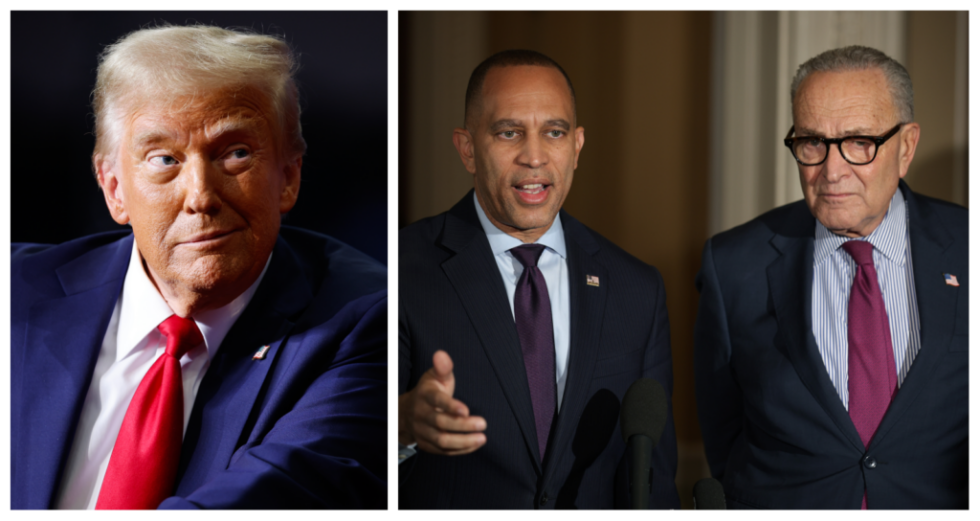
No commander-in-chief has faced as much lawfare from the opposition party than Donald Trump, even regarding Executive Branch actions taken by many presidents before him.
But Trump continues to battle his way through them as he seeks to deliver on his campaign pledges, including making our elections great – and secure – again.
Advertisement
The Trump administration on Friday appealed a federal judge’s latest decision temporarily blocking implementation of new restrictions on mail-in voting ordered by President Donald Trump.
The appeal escalates an ongoing legal battle over federal election rules as states prepare to begin mailing ballots for the November midterm elections.
The administration filed its notice of appeal one day after U.S. District Judge Indira Talwani in Boston issued a 14-day temporary restraining order preventing the U.S. Postal Service from enforcing key provisions of a new mail-ballot rule.
Advertisement
The Postal Service adopted the changes in response to Trump’s March executive order directing federal agencies to strengthen safeguards surrounding elections and mail-in voting.
Talwani’s order temporarily halts implementation while the court considers the broader legal challenge, setting up another potentially consequential fight over the administration’s election policies as the midterms approach.
Advertisement
The legal battle is now headed to the 1st U.S. Circuit Court of Appeals and could eventually return to the Supreme Court, which only days earlier handed the Trump administration an interim victory by lifting a previous lower-court injunction while leaving the underlying constitutional questions unresolved.
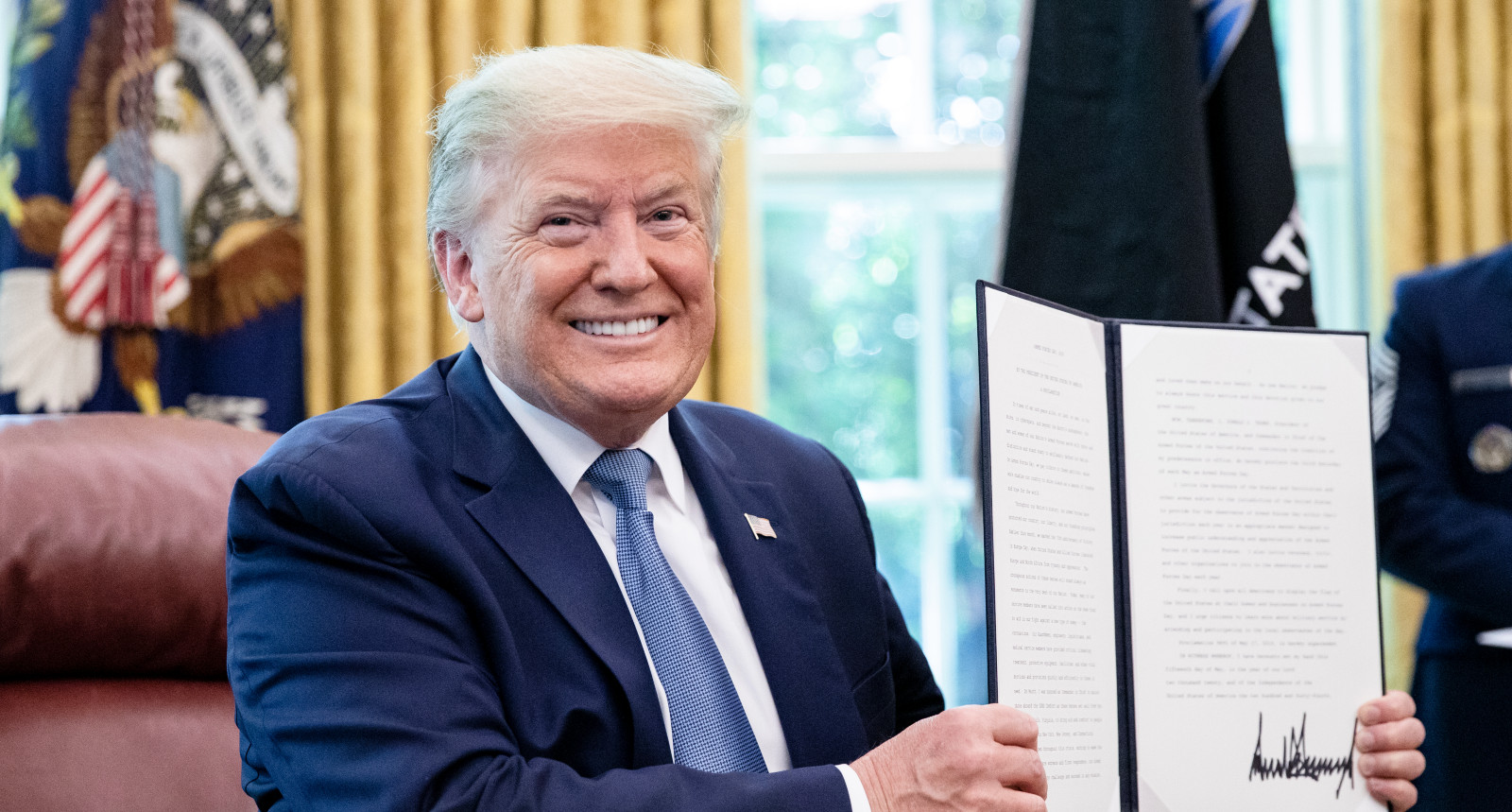
Trump signed the executive order March 31, directing federal agencies to implement a series of changes aimed at tightening procedures surrounding mail-in and absentee voting in federal elections.
Among its provisions, the order instructed federal agencies to develop state-specific lists of eligible voters and directed the U.S. Postal Service not to transmit mail-in or absentee ballots for individuals who were not included on those lists.
The executive order also called for new requirements governing ballot envelopes and other procedures involving election mail handled by the Postal Service.
The White House has argued that the changes are intended to strengthen election integrity and ensure that mail ballots are distributed only to voters who are legally eligible to participate in federal elections.
The order quickly generated lawsuits from states and voting-rights organizations challenging the president’s authority to impose the requirements.
Opponents contend that the Constitution gives states and Congress — rather than the president acting unilaterally — primary authority over the administration and regulation of federal elections.
The challengers have also argued that Trump lacks the legal authority to use the Postal Service to impose additional election-related requirements on states.
Advertisement
But supporters of the rule argue that Trump, as head of the Executive Branch, has the authority to direct the USPS to implement rules and make rule changes, noting that his order is to the Postal Service, not to states directly.
Talwani initially sided with the states and other challengers, blocking major portions of Trump’s executive order while the litigation proceeded.
The administration appealed and ultimately asked the Supreme Court to intervene, arguing that the lower court had acted prematurely because the Postal Service had not yet completed the regulations necessary to implement the president’s directives.
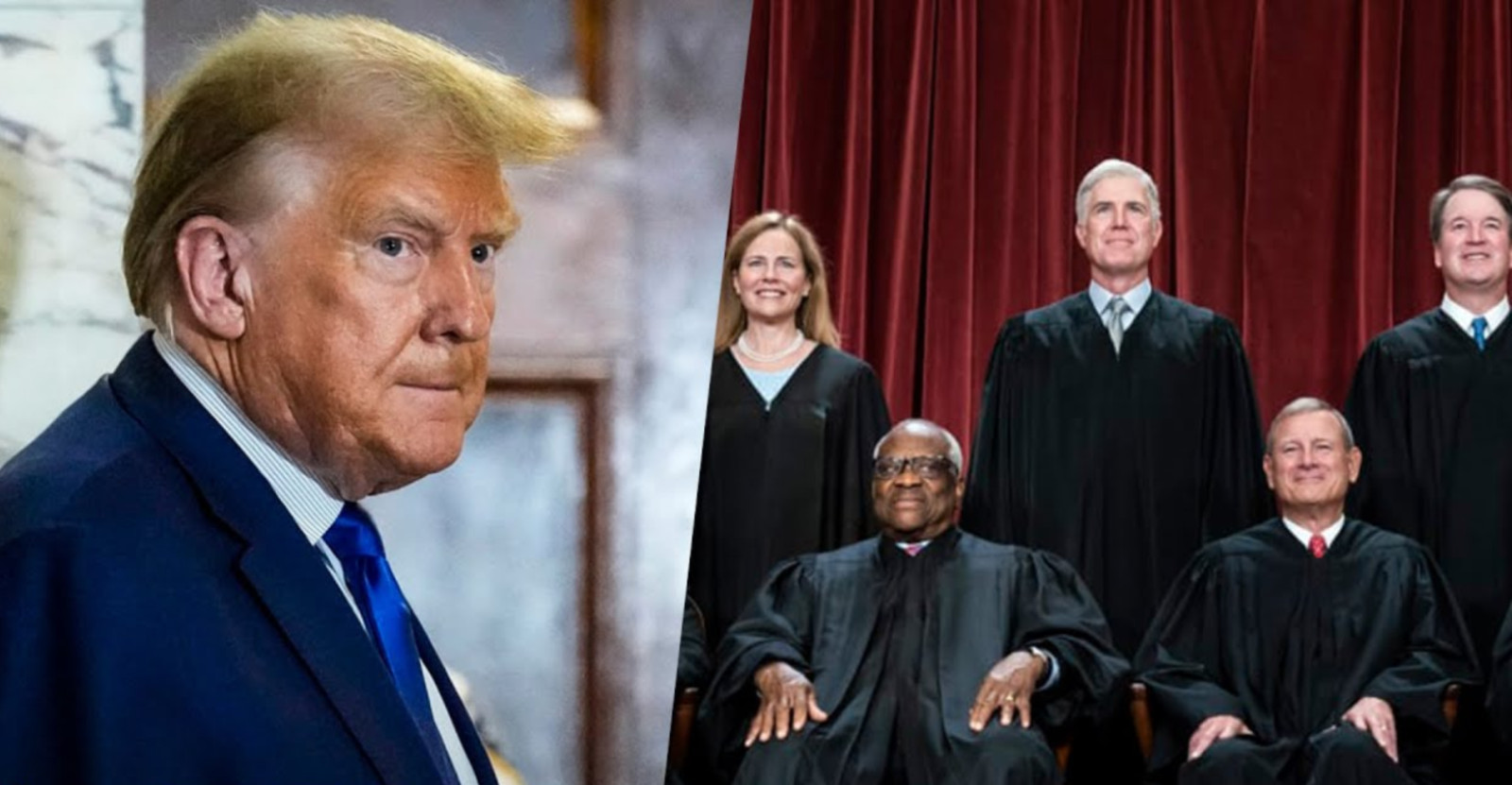
The Supreme Court agreed with the administration on that procedural issue on Aug. 24.
Advertisement
In a 6-3 decision, the justices stayed the lower-court injunction, allowing the administration to continue implementing its election-related policies while the broader legal dispute moved forward.
The ruling, however, did not resolve whether Trump’s executive order itself is constitutional or otherwise lawful.
Instead, the majority focused on the timing of the original lawsuit, concluding that the states had challenged the policy before USPS issued its final implementing rule.
Advertisement
Because those regulations had not yet been finalized, the court determined that the injuries claimed by the states were not sufficiently concrete at that stage of the litigation.
Importantly, the decision left open the possibility that the states could bring a new challenge once USPS completed its rulemaking process.
Under the final rule, states would be required to provide USPS with information concerning voters receiving mail ballots and comply with additional requirements governing ballot envelopes and election-mail procedures.
This article may contain commentary which reflects the author’s opinion.