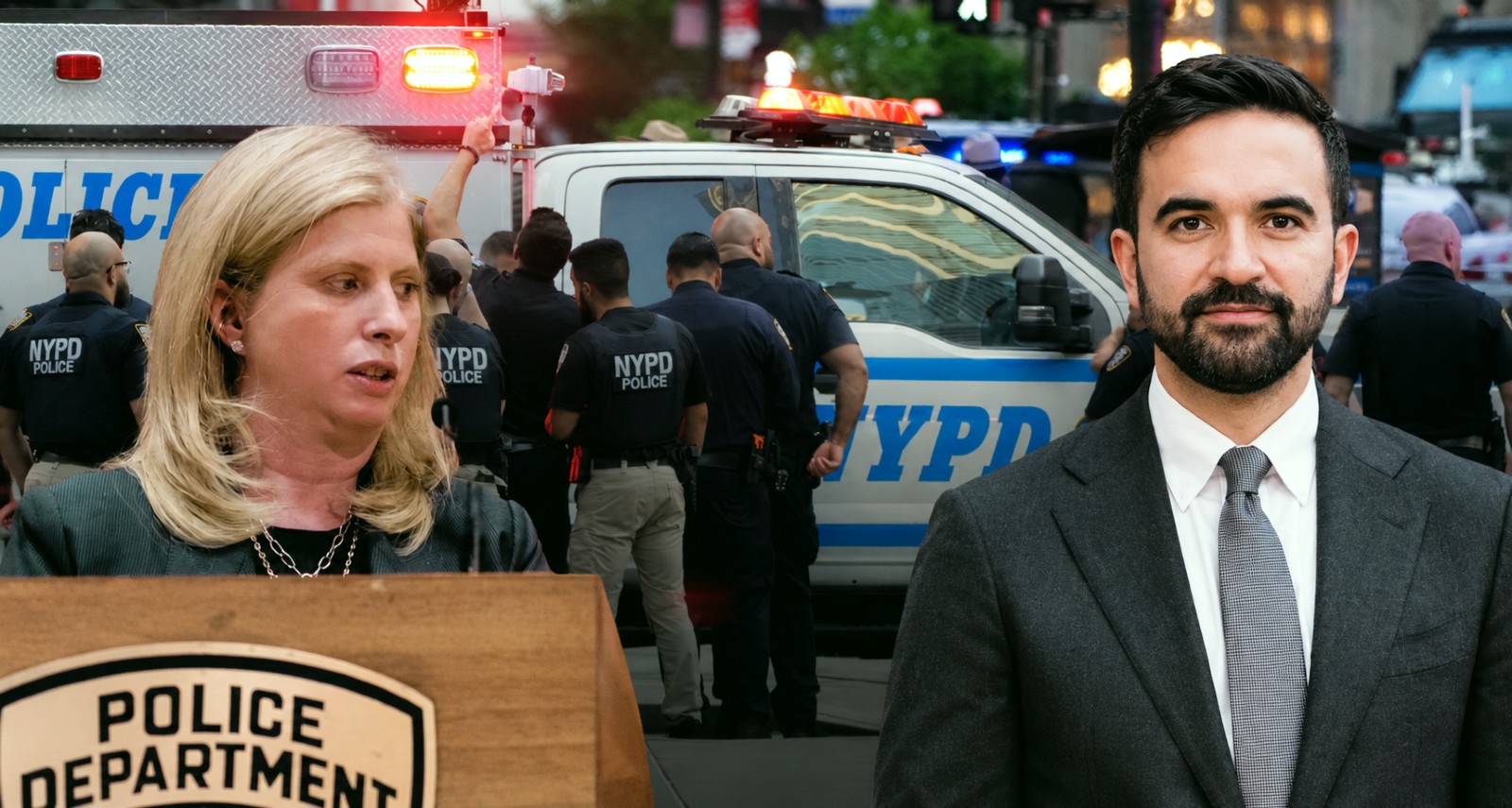
A leadership change is raising fresh questions at the agency responsible for protecting the president.
It comes as officials face scrutiny over drone defenses, internal coordination, and a threat environment they describe as unprecedented.
Secret Service Deputy Director Matthew Quinn announced Friday that he is leaving his post, effective November 7.
Quinn said he and Director Sean Curran had been working on a transition plan for months.
His announcement followed reporting that questioned his previous employment with a company selling counter-drone equipment to the agency.
There is no public finding that Quinn broke procurement rules or improperly directed a contract.
RealClearPolitics reported that Quinn informed agency employees of his departure in an internal email Friday.
Advertisement
The timing puts renewed attention on how the Secret Service buys and evaluates technology meant to stop aerial attacks.
Quinn served 23 years in the agency before retiring in 2021, according to RealClearPolitics.
He later worked as a senior vice president for Fortem Technologies, which makes the DroneHunter counter-drone system.
Advertisement
Quinn returned to government service last year as the Secret Service’s second-ranking official.
RealClearPolitics said current and former agents questioned whether he should have stepped aside from decisions involving Fortem products.
The outlet asked the agency whether DroneHunter purchases were competitively bid and how effectively the equipment had performed.
The Secret Service did not respond to those questions, according to the report.
That silence leaves the procurement questions unanswered as Quinn prepares to leave.
It also underscores why transparency matters when taxpayer-funded equipment carries life-or-death consequences.
The controversy intensified after a Sunday “60 Minutes” segment featuring Quinn and Curran at a Secret Service training center.
The broadcast showed DroneHunter capturing a target drone with a net during a demonstration.
CBS did not mention Quinn’s previous employment with Fortem in that segment, RealClearPolitics reported.
Advertisement
Quinn also acknowledged a serious gap in the agency’s defenses against coordinated attacks from multiple drones.
He described drone swarms as a major problem the Secret Service had not yet solved.
That admission matters because a single successful demonstration cannot establish readiness against several incoming aircraft.
The agency’s assignment goes beyond protecting the president at the White House.
Advertisement
Its personnel must secure rallies, travel routes, public events, and other locations where threats can emerge quickly.
Curran told CBS that threats against the agency’s full-time protectees were up more than 40 percent from last year.
The rising caseload raises the stakes for deciding which security systems work and how agents use them.
RealClearPolitics also reported questions about a drone disabled during last December’s Army-Navy football game in Baltimore.
CBS said the Secret Service used electronic jamming equipment to bring down a drone while Trump attended the event.
RealClearPolitics cited agency sources who alleged the drone may actually have belonged to the Secret Service.
Those accounts have not been publicly confirmed by the agency.
If accurate, the incident would point to a coordination failure between teams monitoring drones and teams neutralizing them.
Advertisement
The same report said several sources questioned whether DroneHunter operated as planned during preparations for the television demonstration.
The Secret Service did not answer the outlet’s questions about that allegation or the Army-Navy incident.
Those unresolved claims deserve a clear response, particularly while the agency promotes its expanded counter-drone capabilities.
The urgency is rooted partly in the July 2024 assassination attempt against Trump in Butler, Pennsylvania.
A gunman wounded Trump, killed firefighter Corey Comperatore, and seriously injured James Copenhaver and David Dutch.
Congressional investigators identified failures in communication between local police and Secret Service personnel during that attack.
Today I informed the men and women of the @SecretService that I will be transitioning out of my role as Deputy Director. Director Curran and I have been working on a thoughtful transition plan for months now. Proud of the men & women of the USSS and all your accomplishments!
— U.S. Secret Service Deputy Director Matthew Quinn (@SecretSvcDepDir) October 16, 2026
A separate government review found delays and gaps in updating protective policies after security incidents.
It specifically raised concerns about how the agency handled lessons from drone-related incidents.
This article may contain commentary which reflects the author’s opinion.