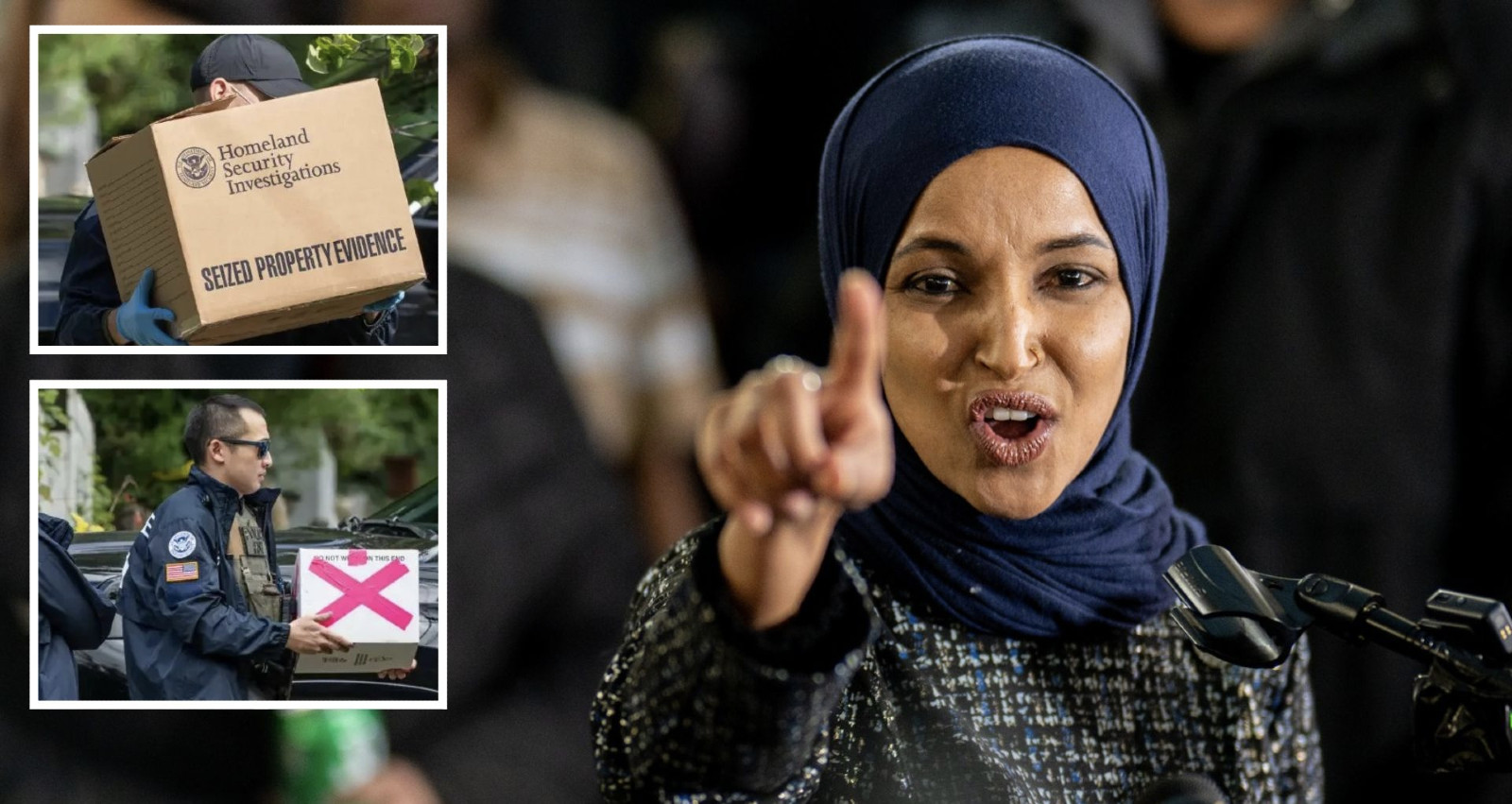
Democrats are proving once again that they have more preference and respect for people in the country and the state illegally than for American citizens.
California Attorney General Rob Bonta filed his 100th lawsuit against the Trump administration Thursday, challenging federal immigration arrests at or near state courthouses and opening another legal battle between California and President Donald Trump over immigration enforcement.
The lawsuit, filed in federal court in California, asks a judge to block an Immigration and Customs Enforcement policy authorizing civil immigration enforcement actions in and around courthouses under circumstances established by the agency.
Bonta claims that courthouse arrests interfere with California’s judicial system by discouraging defendants, witnesses, crime victims and others from appearing for hearings because they fear being detained by federal immigration officers.
Advertisement
“Our justice system cannot function this way,” Bonta said while announcing the case, contending that criminal prosecutions have been disrupted because witnesses and victims were reluctant to enter courthouses.
The lawsuit represents a remarkable milestone in California’s continuing legal confrontation with Trump, with Bonta’s office reaching 100 lawsuits only 21 months after the president returned to the White House.
Advertisement
During Trump’s first administration, California filed 123 lawsuits against the federal government over four years, meaning the state is approaching that total much faster during his second term.
“For the 100th time since President Trump returned to office, we’re going to court,” Bonta said, describing the number as a “sobering milestone.”
The White House has taken a dramatically different view of California’s litigation campaign and accused Bonta of repeatedly pursuing politically motivated cases against administration policies – in this case, to protect people who shouldn’t be in the country.
“Instead of bragging about filing frivolous lawsuits against the Trump Administration, the California Attorney General should focus on addressing problems in his own state,” White House spokeswoman Lauren Bis told The Center Square.
California’s latest challenge targets an ICE directive issued in May 2025 allowing agents to conduct civil immigration enforcement at courthouses when authorities have credible information that a targeted person is expected to be present.
Advertisement
Bonta’s office says the change produced a sharp increase in immigration enforcement around California courthouses, with the average monthly number of arrests increasing more than 550 percent during the following year.
State officials reported 34 enforcement incidents resulting in 30 civil arrests in June 2026 and another 28 incidents resulting in 28 arrests during July.
California says enforcement has occurred in courthouses, hallways, lobbies and parking lots, with officers sometimes following targets from courtrooms or waiting outside facilities.
Advertisement
A federal judge complicated the issue in June when he vacated ICE’s expanded courthouse enforcement directive, restoring earlier restrictions on civil immigration arrests at courthouses except under limited circumstances.
The Trump administration is appealing that ruling, while California argues that federal courthouse enforcement continued afterward, making additional judicial intervention necessary.
Bonta’s complaint alleges that the ICE policy violates the Administrative Procedure Act because the agency failed to adequately consider how courthouse arrests could affect access to justice and state judicial operations.
California additionally argues that the Immigration and Nationality Act does not authorize the challenged arrests and that the federal policy interferes with powers reserved to states under the Constitution.
Advertisement
ICE has defended courthouse arrests as a practical enforcement method because agents can locate targeted individuals at known places and times rather than attempting arrests in less predictable environments.
The broader legal fight comes as federal courts have also rejected some California attempts to restrict how immigration officers operate within the state.
On Wednesday, the Ninth Circuit Court of Appeals ruled against California in a separate dispute, ordering an injunction preventing the state from enforcing part of its No Vigilantes Act against federal agencies and officers.
That provision would have restricted federal immigration officers operating in California, but the appellate panel concluded that applying it to federal officials raised Supremacy Clause problems.
The decision does not resolve Bonta’s new courthouse lawsuit because the cases involve different statutes and legal questions, but it illustrates the complicated record emerging from California’s numerous challenges.
This article may contain commentary which reflects the author’s opinion.