The House Rules Committee on Tuesday rejected a Democratic amendment that would have barred people charged or convicted in connection with the Jan. 6 Capitol riot from receiving compensation through a newly announced federal restitution fund tied to the Trump administration.
The dispute centers on a $1.8 billion compensation fund announced Monday by the United States Department of Justice.
Advertisement
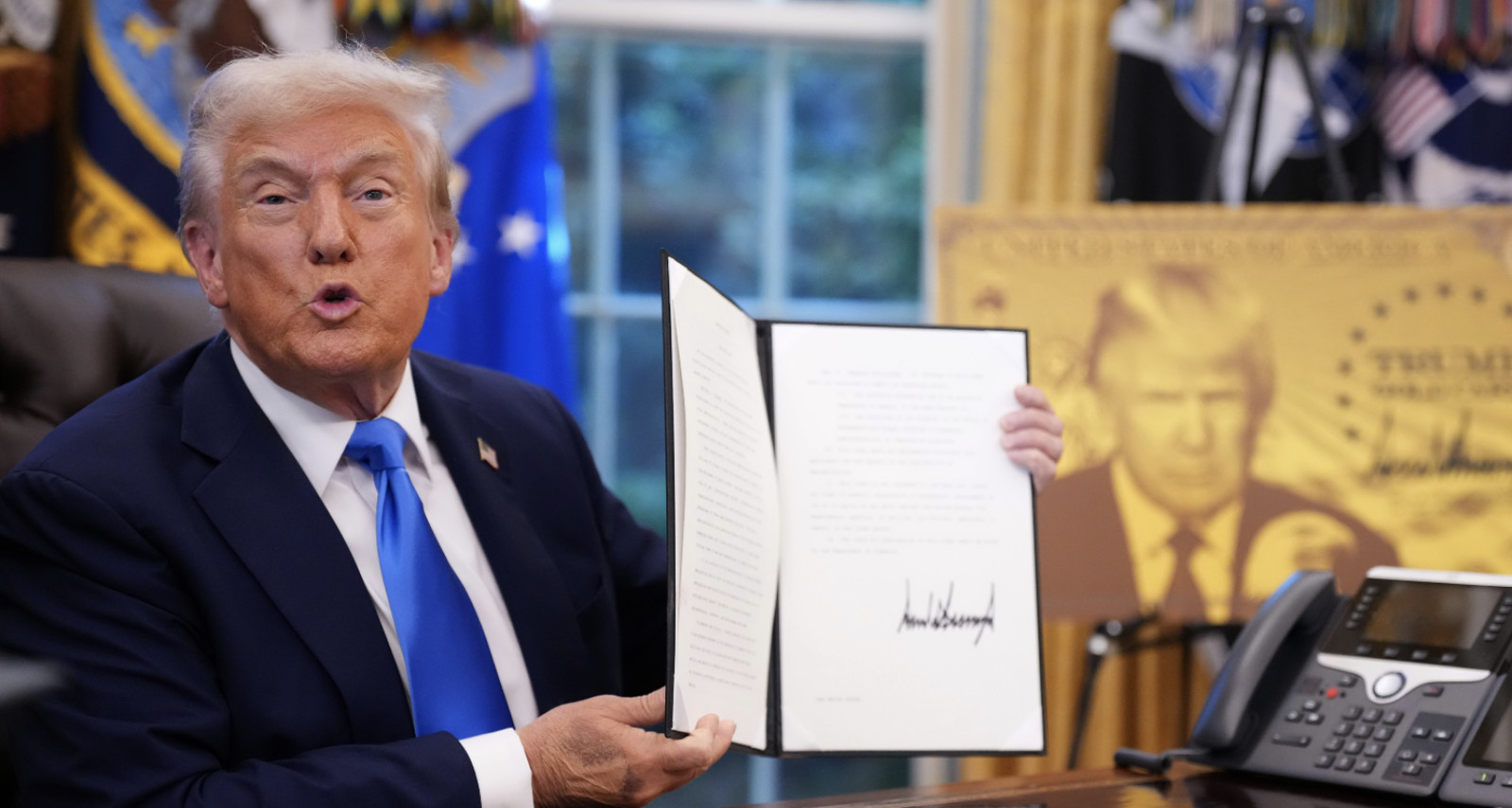
The fund is part of a broader settlement arrangement connected to President Donald Trump dropping a $10 billion lawsuit against the Internal Revenue Service over the 2019 and 2020 leak of his tax returns by a contractor.
Critics have raised concerns because Congress has not formally appropriated the $1.8 billion and because attorneys representing Jan. 6 defendants have publicly indicated they may seek payments from the fund on behalf of their clients.
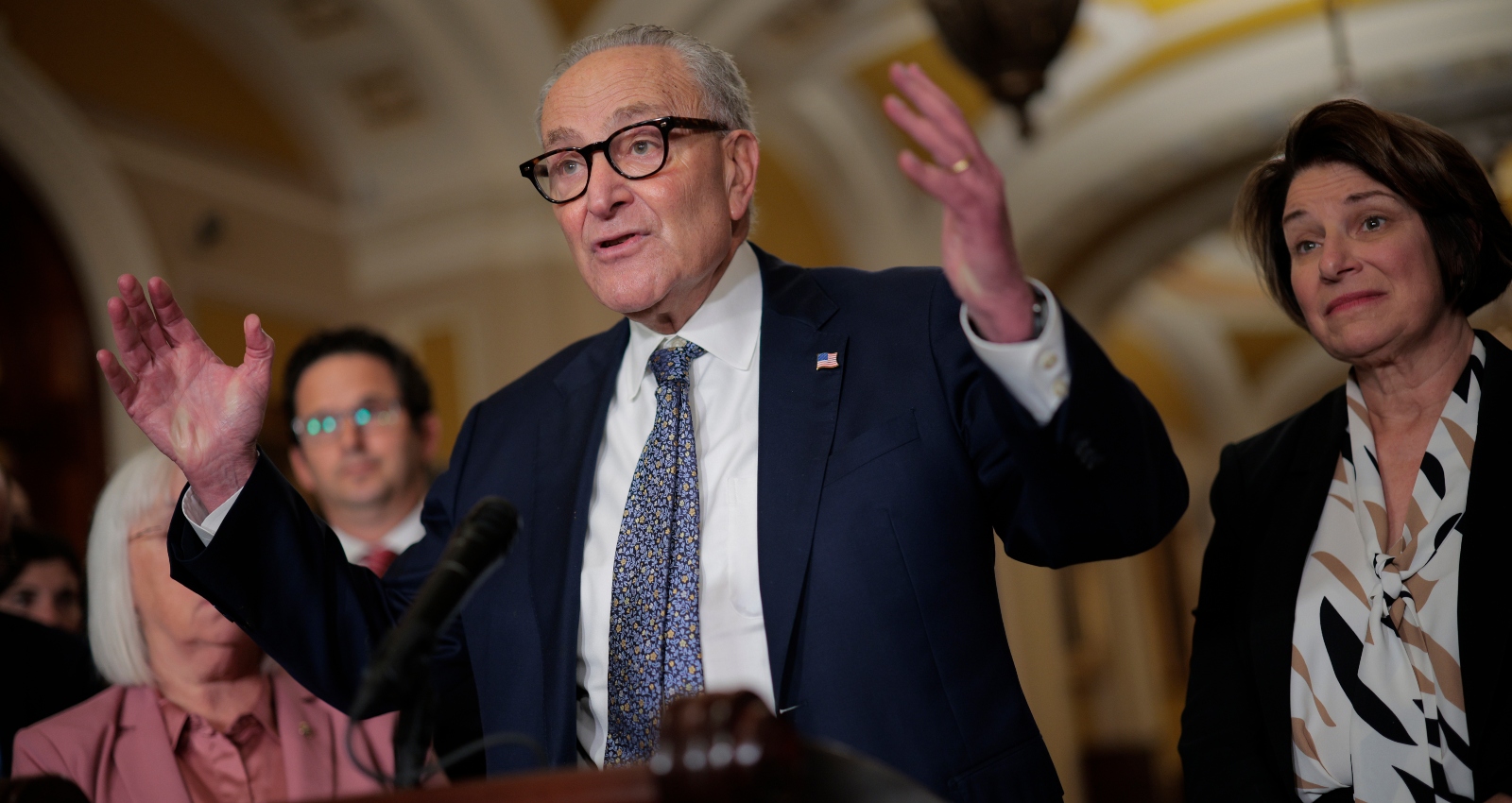
During the Rules Committee hearing, Rep. Jim McGovern (D-Mass.) introduced an amendment that would have prohibited individuals charged or convicted in connection with the Capitol riot from receiving any compensation through the program, reports said.
“I move the committee add a new section to the rule providing immediate consideration of HR 7711, the No Rewards for January 6 Rioters Act, so this bill would prohibit the use of federal funds to compensate individuals who were prosecuted for their involvement in the attack on the United States Capitol on January 6, 2021,” said McGovern.
“Additionally, my motion would self-execute an amendment that would require the attorney general of the United States to disclose any payments made by the so-called anti-weaponization fund, which was created by the corrupt settlement agreement between Donald Trump and his own administration,” he continued.
Advertisement
“This secret slush fund should be an outrage to every American, no matter your politics.”
Not long afterward, the GOP majority rejected the amendment, leading McGovern to express his angst on social media.
“Republicans just voted AGAINST my amendment to stop Trump’s $1.8 billion slush fund from bailing out the convicted felons who assaulted cops on January 6th,” he wrote. “You read that right. They blocked us from even debating the issue on the House floor. Beyond shameful.”
Democrats, meanwhile, have routinely called for defunding police and continue to support soft-on-crime policies that see violent criminals released back onto the streets.
Also, Democrats support sanctuary cities, which protect illegal aliens, including those who have harmed or killed Americans.
Also, on Thursday, the House delivered a massive bipartisan victory on Wednesday, passing a housing bill designed to expand homeownership, lower costs, and limit institutional investors from snapping up single-family homes.
The amended 21st Century ROAD to Housing Act passed by a commanding 396-13 vote, sending the legislation to the Senate and giving Republicans a potential cost-of-living win heading into the midterm elections.
House leaders framed the bill as a direct response to the housing affordability crisis squeezing millions of Americans.
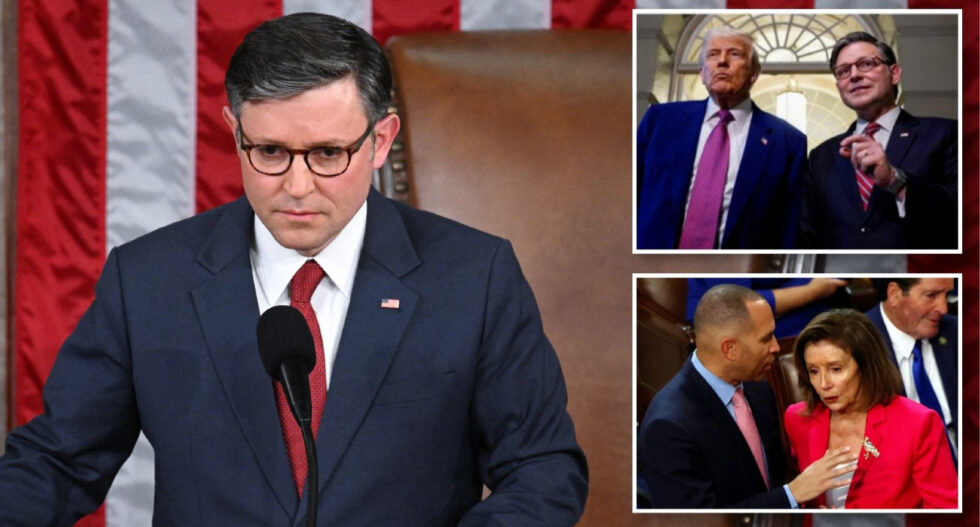
Speaker Mike Johnson (R-La.) argued the stakes could not be clearer.
“Increased housing costs and lack of quality supply are two issues that impact nearly every American family,” Johnson said.
He called the legislation a “strong bipartisan package that will put more American families into homes.”
House Majority Leader Steve Scalise (R-La.) made a similar argument. “This is something that every American in this country will be happy to see, to have lower housing costs,” Scalise said.
At the center of the legislation is a provision aimed at institutional investors.
The House version preserves a ban on large corporate investors buying newly built single-family homes, a priority backed by the Trump administration.
House Financial Services Committee Chairman French Hill (R-Ark.) said the bill directly aligns with President Donald Trump’s housing agenda.
“This bill prioritizes American families by expanding homeownership, enhancing affordability, reducing burdensome regulations that drive up costs, and increasing housing supply nationwide,” Hill said.
“Importantly, it delivers on President Trump’s call to limit institutional investors from competing with the American people as they seek to purchase a home,” he added.
This article may contain commentary which reflects the author’s opinion.