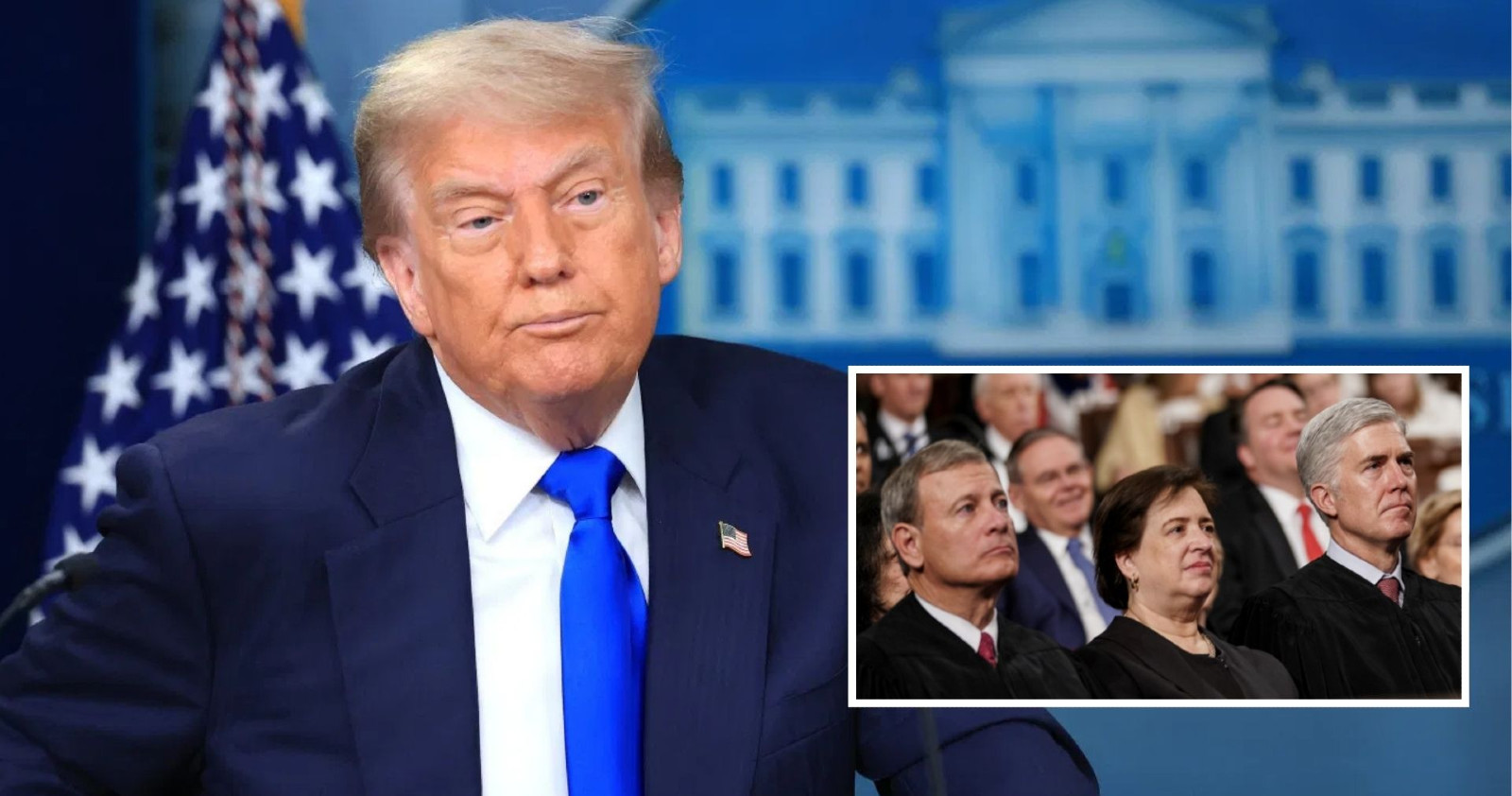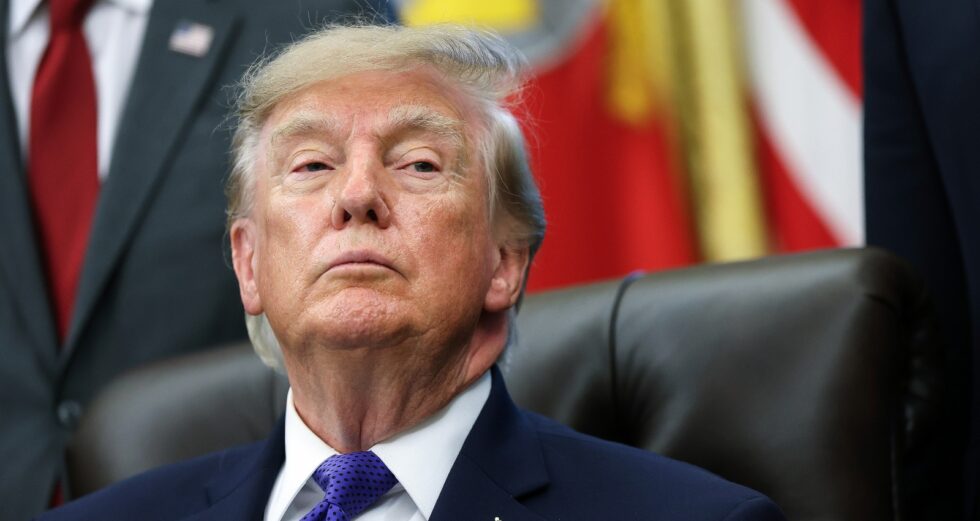
President Trump is facing more mutiny from GOP senators on the eve of the midterm elections, and over an issue that is not even close to a priority for the vast majority of Americans.
Advertisement
Republican lawmakers are joining Democrats in threatening to block Trump’s pending nominees as frustration grows on Capitol Hill over restrictions affecting satellite communications used by Ukraine’s military in its war against Russia.
Senators from both parties have told senior White House officials they are prepared to hold up confirmations until the administration ensures that critical satellite capabilities relied upon by Ukrainian forces are fully restored, according to three people familiar with the discussions cited by The New York Times.
Advertisement
The confrontation could become particularly consequential during the lame-duck congressional session following the November 3 midterm elections, when Republicans are expected to attempt to confirm dozens of Trump nominees before the current Congress ends.
The dispute centers on reported disruptions involving Starlink and Starshield, satellite communications networks operated by Elon Musk’s SpaceX that Ukraine uses for battlefield communications, drone operations and other military purposes.
Ukrainian officials began reporting new limitations this month that they said interfered with drone missions and efforts to intercept Russian aerial attacks, particularly when connected systems were moving at high speeds.
It remains unclear publicly whether the restrictions were deliberately imposed, who might have ordered them or whether technical factors contributed to the problems, and Trump and senior administration officials have denied responsibility for intentionally reducing Ukraine’s access.
Trump said last week that he had not ordered Ukraine’s Starlink access restricted and did not believe Musk was responsible, while Secretary of State Marco Rubio said the administration had “nothing to do with that” and maintained that nobody ordered the service slowdown.
Trump nevertheless reportedly contacted Musk and asked him to restore Ukraine’s full access after the controversy erupted, although Ukrainian officials subsequently maintained that some limitations remained.
The episode has fueled unusually public resistance from Republicans who have generally supported Trump but argue that weakening Ukraine’s battlefield capabilities could benefit Russian President Vladimir Putin and undermine American security interests.
Advertisement
Rep. Brian Fitzpatrick, R-Pa., has threatened investigations, funding cuts and efforts to remove federal officials if evidence shows they were responsible for disrupting the satellite services.
“I’m personally not buying the coincidence argument,” Fitzpatrick said while discussing the timing of the disruptions and the administration’s increasingly contentious relationship with Ukrainian President Volodymyr Zelenskyy.
Advertisement
Fitzpatrick, a former FBI agent who worked on Russian counterintelligence matters in Kyiv, said he had recently spoken with Zelenskyy and was concerned not only about satellite restrictions but also delays involving ballistic missile interceptors and interruptions to early-warning intelligence.
A separate bipartisan call with Zelenskyy was organized by Sens. Richard Blumenthal, D-Conn., and Thom Tillis, R-N.C., who said afterward that critical satellite capabilities remained degraded.
Concerns have spread further among congressional Republicans, with GOP Reps. Mike Turner of Ohio and Sen. Kevin Cramer of North Dakota publicly calling for investigations into what caused the disruptions.
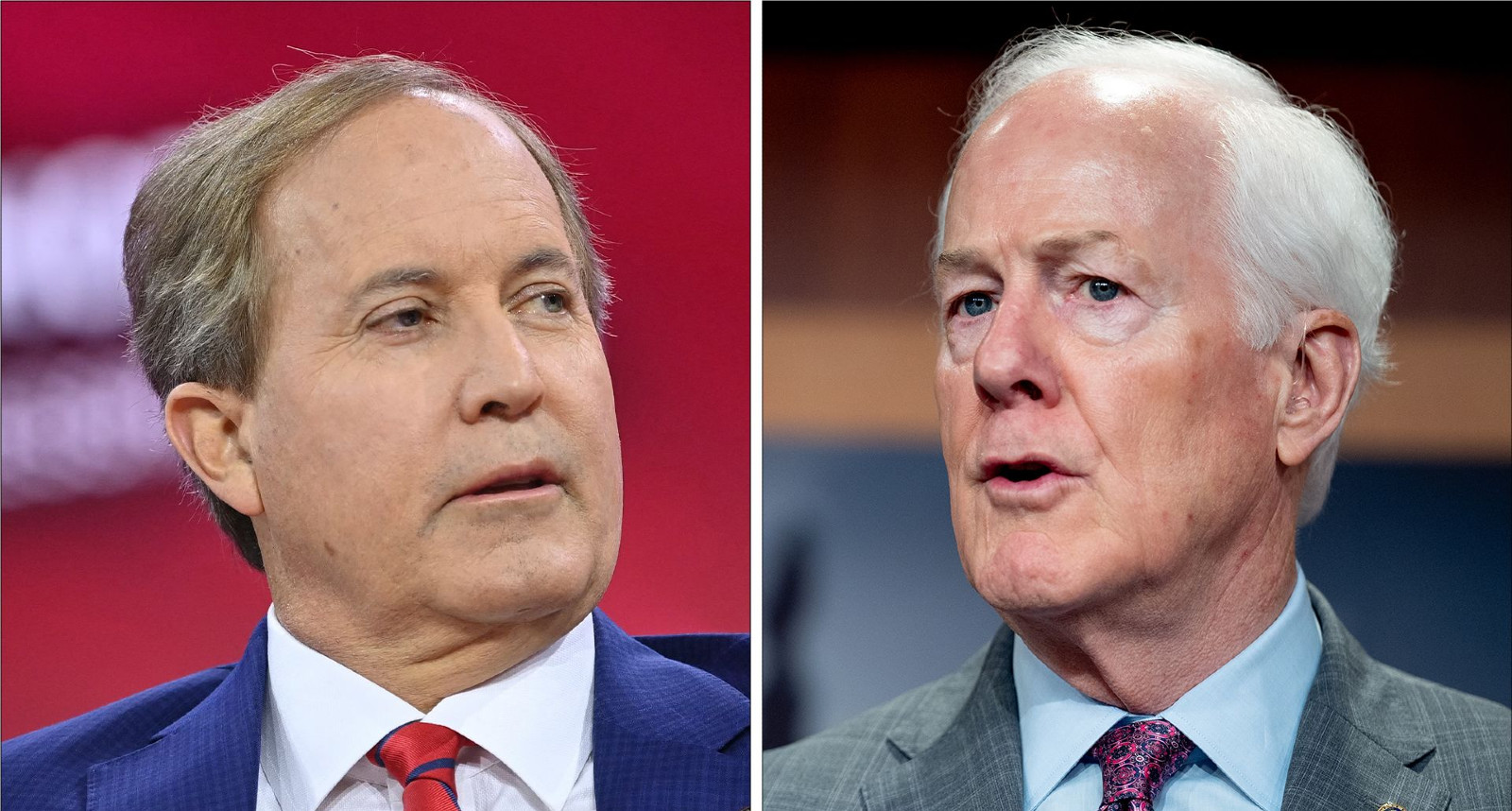
Nine senators, including Republicans Tillis, Susan Collins of Maine, John Cornyn of Texas and Lisa Murkowski of Alaska, have also requested a Pentagon inspector general investigation into whether actions by the Defense Department or contractors contributed to the satellite problems.
Advertisement
The congressional resistance extends beyond Starlink, as some Republicans have also challenged Trump over recent moves easing economic pressure on Moscow and have pushed the administration to maintain sanctions designed to punish Russia for its invasion.
Rep. Don Bacon, R-Neb., who is retiring from Congress, has threatened to oppose administration priorities over Trump’s handling of Russia and Ukraine, including the president’s proposed $1.5 trillion defense budget.
“The agenda is dead,” Bacon told Politico, arguing that he would not support major administration spending priorities while objecting to Trump’s approach toward Moscow.
Not every Republican shares that criticism, however, with lawmakers including Sen. Ted Budd, R-N.C., supporting Trump’s strategy as an attempt to create conditions for negotiations that could end the more than four-year war.
This article may contain commentary which reflects the author’s opinion.