A plan for the next Congress is taking shape before voters have chosen who will control it.
Across the country, the president is campaigning against that possibility as both parties sharpen their closing arguments.
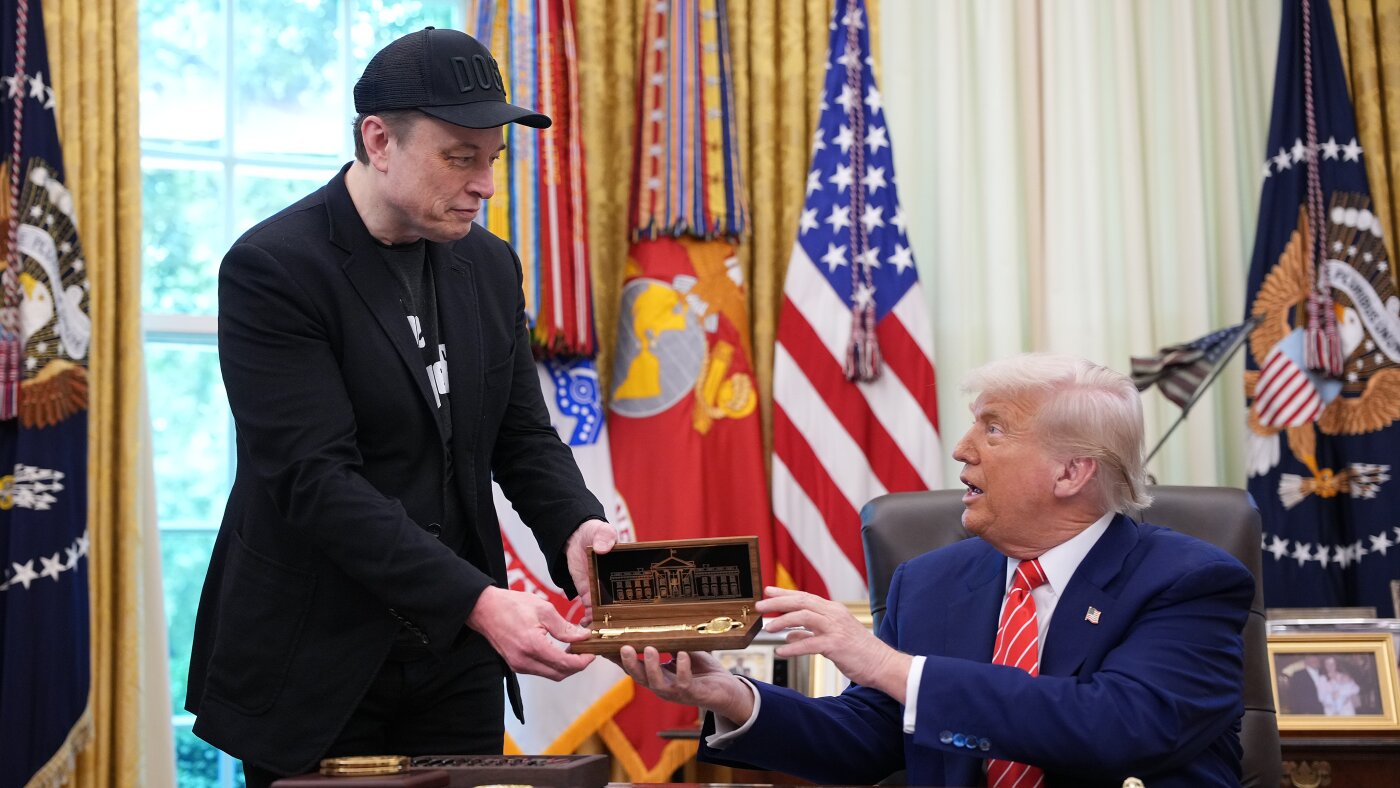
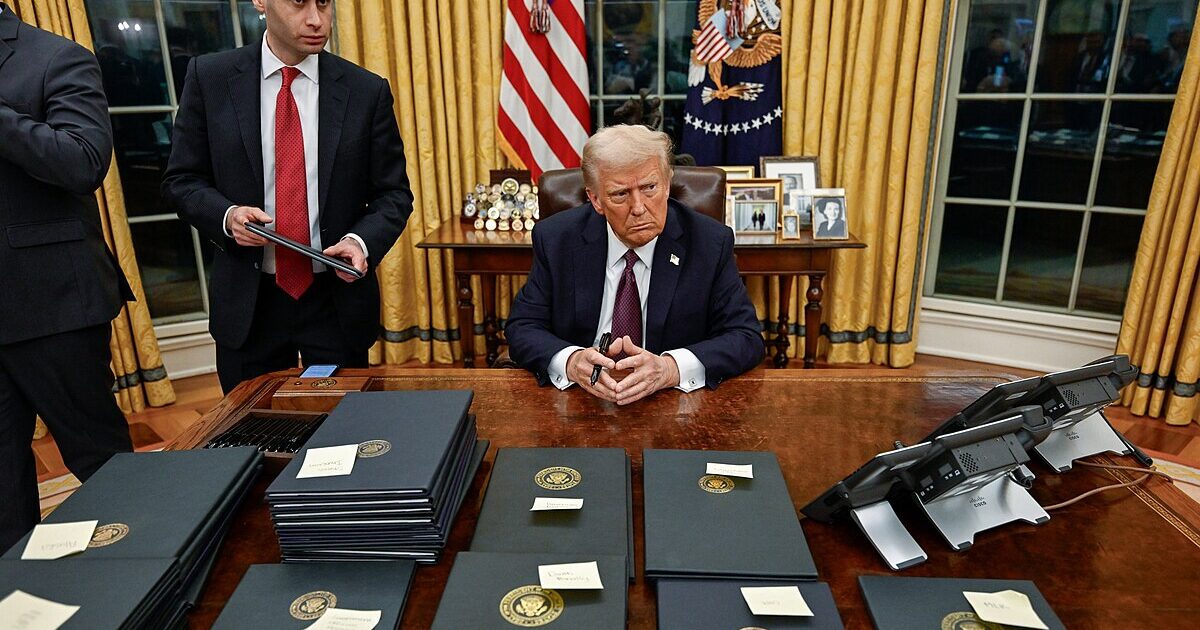
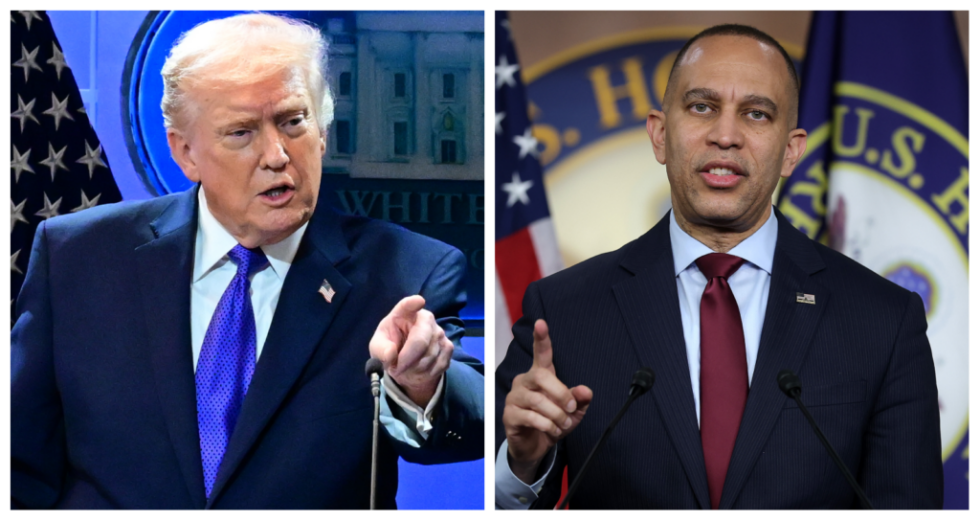
House Democrats are preparing a first 100 days agenda if they win the chamber, while President Donald Trump campaigns for Republicans.
The Democratic plan emphasizes household costs, health care, tariffs, and investigations of Trump and his administration.
Its proposals would require legislative action; preparing an agenda does not mean Democrats can enact it alone.
Advertisement
Democratic Leader Hakeem Jeffries has also asked lawmakers to prepare oversight inquiries involving Trump, his family, and administration officials.
That raises the stakes beyond campaign speeches: House control would determine who leads committees and directs their investigations.
Republicans currently hold a narrow majority, leaving competitive districts capable of changing the chamber’s direction.
Advertisement
Democrats say they would prioritize grocery and gasoline prices and seek to reduce health care costs. They also want to restore expanded Affordable Care Act tax credits and reverse Republican Medicaid cuts.
Another proposed priority is forcing votes on the Trump administration’s tariff policies. Those are consequential promises for taxpayers, but their costs and legislative details would matter as much as their slogans.
Trump is making the opposite case on the campaign trail, defending his economic and border policies.
He warns that Democrats would reverse his agenda if they gain power in Congress. His push has included stops in Arizona and Montana and support for candidates in closely contested states.
At an Arizona rally, Trump attacked Democrats and appeared alongside Republican gubernatorial nominee Andy Biggs. The president’s argument is that the November 3 election will shape the final two years of his term.
A new Fox News poll shows why the cost-of-living debate is difficult for the party in power. Six in ten voters named living costs as their leading economic worry in that survey.
The poll found 74 percent rated the economy negatively, while 53 percent expected conditions to worsen next year.
Advertisement
Only 18 percent said their family was better off than two years earlier. Those numbers are a warning for Republicans, even as Democrats must persuade voters their proposals would improve conditions.
Government corruption also ranked high, with 60 percent of registered voters saying they were extremely concerned.
That finding gives added weight to questions about how either party would use congressional oversight authority.
Advertisement
In the Senate, Republicans are concentrating on contests that could decide whether they keep their majority.
National Republican Senatorial Committee Chairman Tim Scott singled out Maine, Iowa, Alaska, and Ohio as crucial states.
He also pointed to possible Republican opportunities in New Hampshire, Michigan, and Minnesota.
Maine’s Senate race supplied one of Thursday’s sharpest exchanges.
Republican Senator Susan Collins and Democratic challenger Troy Jackson debated campaign money, the Iran war, immigration, and the Supreme Court.
Jackson expressed openness to expanding the court, while Collins opposed adding justices. A protester interrupted the debate over data centers, and the candidates argued about whether he supported Jackson.
Advertisement
Jackson denied knowing the man, underscoring how quickly a close race can veer away from policy. Election administration is becoming another flashpoint as voting begins in more states.
The Justice Department sued California on Thursday over more than 20,000 people it alleges are likely noncitizens on voter rolls.
Federal officials say they compared state registration files with immigration records. Those are government allegations in a newly filed case, not findings that all identified individuals voted illegally.
The lawsuit puts voter eligibility, accurate records, and the handling of contested ballots before a court.
Meanwhile, Postmaster General David Steiner said the Postal Service is ready to handle millions of mailed midterm ballots. The agency plans added processing measures beginning October 24, including special pickups and extended hours at some locations, Fox News reported.
Georgia reported more than 180,000 ballots on its first day of early voting, a midterm record for the state.
This article may contain commentary which reflects the author’s opinion.