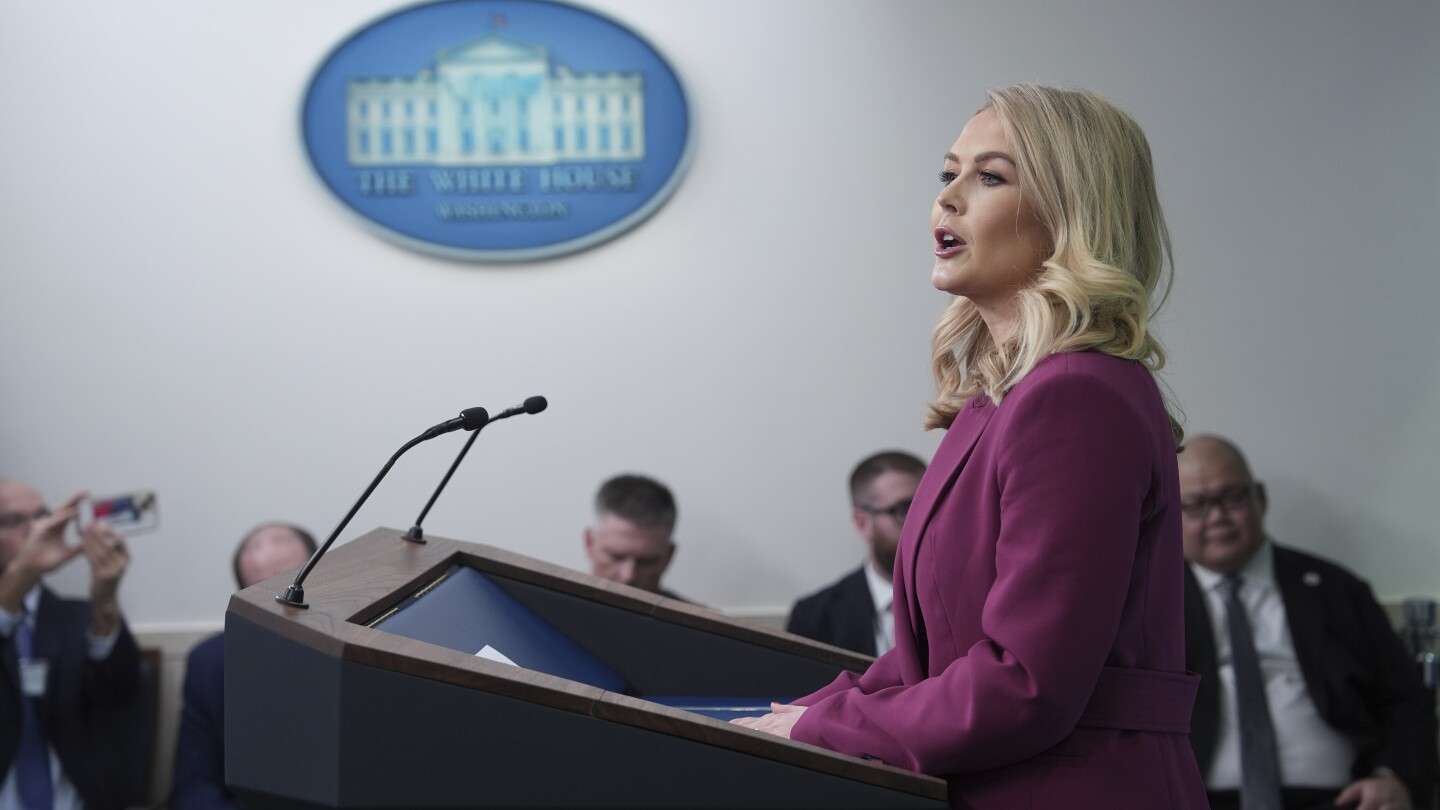
As the war between the United States, Israel, and Iran continues to unfold, a new controversy has emerged in Washington—this time surrounding statements made by White House Press Secretary Karoline Leavitt about whether Iran ever posed a threat to the U.S. homeland.
Leavitt’s remarks, which appeared to contradict earlier claims from President Donald Trump and members of his administration, have ignited debate among political leaders, analysts, and journalists about the messaging behind the war.
The Statement That Sparked the Controversy
The controversy began after reports surfaced about a federal bulletin warning law enforcement agencies about a possible Iranian retaliation attack inside the United States.
The bulletin, circulated by federal authorities, referenced an unverified tip suggesting Iran could potentially launch a drone attack from a vessel off the U.S. coast targeting California if the United States conducted military strikes on Iran.
Shortly afterward, Leavitt pushed back against reports that such a threat was credible.
In a public statement, she said:
“No such threat from Iran to our homeland exists, and it never did.”
Leavitt also emphasized that the FBI bulletin was based on “a single unverified tip” rather than confirmed intelligence.
Her comments were intended to calm public fears but quickly sparked political backlash.
Why the Statement Raised Questions
Critics immediately pointed out that the remark appeared to contradict the central justification used by the Trump administration to launch military operations against Iran.
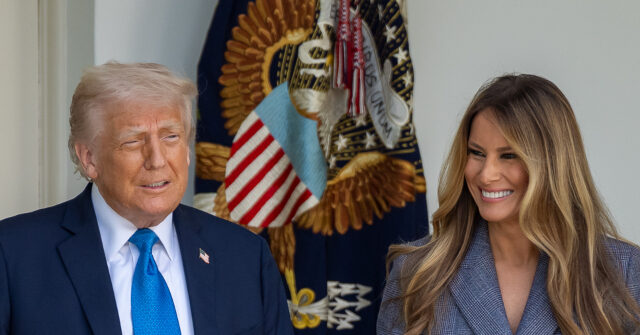
President Trump and several officials had previously warned that Iran posed a growing threat to American interests and potentially to the United States itself.
Some critics argued that Leavitt’s statement undermined those earlier claims by suggesting that Iran never actually posed a threat to the U.S. homeland in the first place.
Political commentators and lawmakers from both parties questioned how a war could be justified on the basis of a threat that the administration’s own spokesperson later said “never existed.”
The White House Response
Following the backlash, White House officials attempted to clarify the situation.
According to administration sources, Leavitt’s comments were meant specifically to address the FBI alert circulating among local law enforcement, not the broader national security concerns cited by the president.
Officials emphasized that the alert itself was based on unverified intelligence, which is why the White House believed reports describing it as a credible threat were misleading.
Leavitt also accused some media outlets of amplifying speculation that could cause unnecessary panic among the public.
However, the explanation did little to quiet critics.
Growing Scrutiny of War Messaging
The episode has added to broader scrutiny of the administration’s messaging surrounding the Iran war.
In recent days, reporters have repeatedly pressed White House officials to clarify the intelligence that led to the initial military strikes against Iran.
During one tense briefing, Leavitt defended the president’s decision to launch military operations, saying the administration acted based on information available at the time.
But critics argue that mixed messages about threats, timelines, and objectives have created confusion about the war’s purpose.
Some lawmakers are now calling for greater transparency about the intelligence used to justify the conflict.
A War Already Filled With Controversy
The communications controversy comes at a time when the war itself is already under intense scrutiny.
Military operations against Iran began in late February following coordinated strikes by U.S. and Israeli forces targeting Iranian military infrastructure.
Since then:
- Thousands of strikes have been reported across Iran
- Drone and missile attacks have targeted U.S. and Israeli interests
- Oil markets have been shaken by disruptions near the Strait of Hormuz
At the same time, political tensions in Washington have grown as lawmakers debate the long-term strategy behind the conflict.
Why Messaging Matters in Wartime
Experts say that clear communication is especially important during military conflicts.
Public trust often depends on whether leaders appear transparent about the threats facing the country and the reasons for military action.
When statements from officials appear to conflict with each other, it can create uncertainty among both the public and international allies.
In this case, Leavitt’s comments have become part of a larger conversation about how the administration is explaining the war to Americans.
What Happens Next
For now, the White House continues to insist that the United States acted to protect national security interests and deter Iranian aggression.
But the controversy surrounding Leavitt’s statement shows how sensitive the issue of war justification and intelligence credibility has become.
As the conflict continues and more information emerges, questions about the original threat—and the messaging surrounding it—are likely to remain a major political issue.