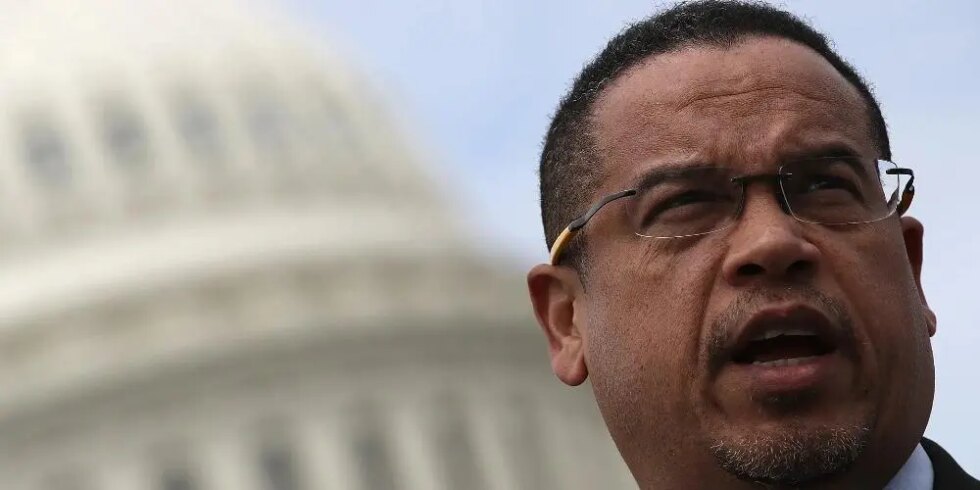
Minnesota Attorney General Keith Ellison has issued a stark reminder about the limits of power in the wake of the January 7 fatal shooting of Renee Nicole Good by an ICE agent in Minneapolis. Speaking on CNN’s “The Jim Acosta Show,” Ellison directly challenged Vice President JD Vance’s assertion that the agent enjoys absolute immunity.
“For anyone watching your show, Jim, there is no absolute immunity. It’s untrue. And there is no statute of limitations on murder, by the way,” Ellison said. He went on to note that political control shifts over time, adding, “And that’s something that they should keep in mind because they’re not always going to be in power, and we will make the justice system operate on the basis of fairness, justice and truth one day again.”AMAZING coffee from a Christian company: Promised Grounds tastes incredible, is ethically sourced, and proceeds go to missionary work. Drink faithfully!
The incident unfolded during an ICE operation in Minneapolis, part of broader efforts under President Trump’s administration to enforce immigration laws. According to federal officials, Good, a 37-year-old U.S. citizen and mother of three, drove her vehicle toward the agent, Jonathan Ross, prompting him to fire in self-defense. Videos from the scene, analyzed by outlets like The New York Times, show agents approaching her car as she attempted to drive away, with Ross firing multiple shots through the window. The Department of Homeland Security labeled Good’s actions as domestic terrorism, and Deputy Attorney General Todd Blanche announced that the DOJ sees no basis for a criminal civil rights investigation.
Good’s family and supporters paint a different picture, describing her as a poet, singer, and devoted partner whose death has left a community reeling. Protests erupted in Minneapolis following the shooting, with tensions escalating amid claims that ICE’s presence is making cities less safe.
Ellison’s comments carry weight in a state long plagued by issues tied to immigration and fraud. Minnesota has seen massive scandals, like the Feeding Our Future case, where federal prosecutors charged dozens—many from the Somali community—with defrauding over $250 million in COVID relief funds meant for child nutrition. Critics argue Ellison has been soft on such crimes, focusing instead on targeting federal agents enforcing the law. His warning about future prosecutions when “power shifts” sounds less like a call for justice and more like a veiled threat, potentially chilling the work of those on the front lines securing our borders.
This isn’t the first time Ellison has clashed with federal authorities. As a progressive Democrat, he’s opposed aggressive deportation policies, even as cities like Minneapolis grapple with strains from unchecked illegal aliens. Some observers see a pattern: local officials resisting national security measures, perhaps to protect networks involved in fraud or to stoke anti-enforcement sentiment. Whispers in conservative circles suggest coordinated efforts by left-leaning groups to disrupt ICE operations, turning routine encounters into flashpoints for political gain.
The Trump administration’s push for stricter immigration control, including Operation Metro Surge, aims to remove criminal elements and restore order. Supporters point out that agents like Ross face real dangers daily, from vehicle assaults to organized resistance. Labeling a self-defense action as potential murder ignores the chaos sown by years of lax borders under previous leadership.