Republicans have lost a Senate seat, with a familiar statewide Democrat overcoming a Trump-backed challenger in a consequential Southern battleground.
Advertisement
The result gives Democrats a pickup and narrows the GOP’s path to maintaining control as the races determine the majority.
Former North Carolina Governor Roy Cooper has defeated Republican Michael Whatley for the state’s open Senate seat, NBC News projects.
Cooper will replace retiring Republican Sen. Thom Tillis, converting a GOP-held seat into a Democratic gain in Washington’s power struggle.
Advertisement
Democrats entered the election needing four net seats to secure a Senate majority, making North Carolina a valuable target.
The outcome marks the first Democratic Senate victory in North Carolina since 2008, breaking a lengthy run of Republican success.
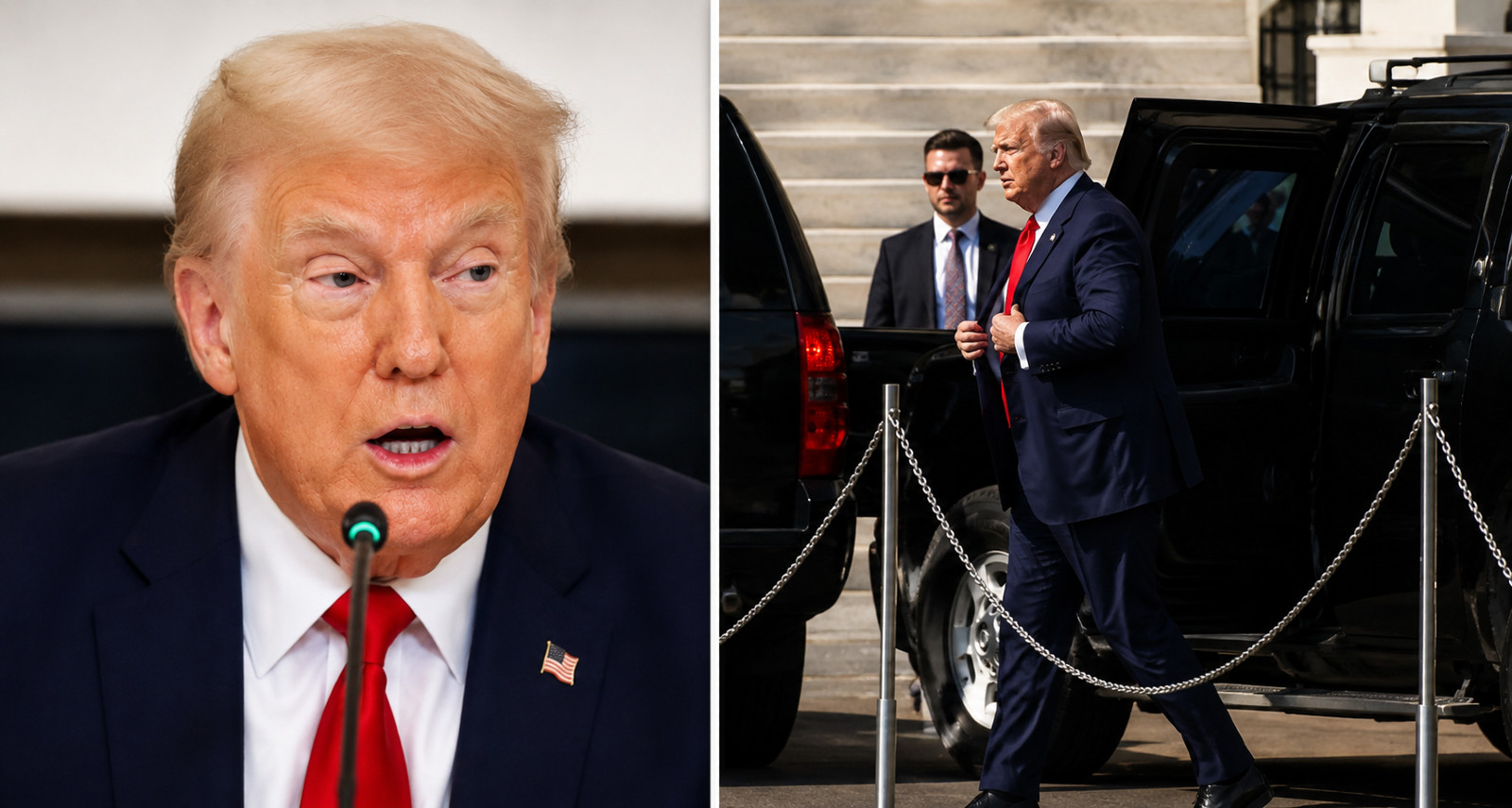
It represents a disappointment for President Donald Trump, who encouraged Whatley to enter the race and campaigned on his behalf.
Vice President JD Vance likewise appeared with Whatley during the closing stretch, seeking to strengthen the Republican nominee’s position.
Those appearances could not overcome the advantages Cooper brought from eight years as governor, including name recognition and political experience.
Whatley, a former Republican National Committee chairman and North Carolina party leader, was making his first bid for elected office.
His national profile grew during the 2024 presidential campaign, when he led the Republican organization through Trump’s White House return.
That experience gave Republicans a candidate with party connections, but the election tested his ability to build a statewide coalition.
Cooper entered as a prized Democratic recruit, offering his party a candidate already familiar to voters after two gubernatorial terms.
He also avoided a divisive nomination contest, allowing him to concentrate on the general election while emphasizing everyday economic concerns.
Cooper focused his campaign almost entirely on living costs, according to the account of his strategy.
That emphasis connected his message to a leading voter concern while Republicans struggled to develop effective attacks against his record.
Advertisement
The race initially appeared likely to become one of the cycle’s closest contests, with both parties watching North Carolina closely.
By the closing weeks, however, Cooper had established a solid polling advantage and Republican outside spending began moving elsewhere.
A leading GOP super PAC canceled its advertising in the state, redirecting resources toward protecting seats in more conservative territory.
Advertisement
That decision reduced North Carolina’s place on the Republican priority list, signaling that party strategists saw stronger defensive opportunities elsewhere.
For Whatley, the spending retreat compounded the challenge of facing a former governor with an established public identity and polling.
Even Trump acknowledged the challenge during an October rally, predicting Cooper’s success while expressing frustration about the prospect.
“He’s going to become your senator,” Trump said at the October rally.
“And it’s crazy.”
The remarks were a striking assessment from the president who had recruited Whatley and continued supporting his campaign alongside Vance.
The contest also unfolded amid voter dissatisfaction with the economy and the Iran war, according to the supplied report.
Advertisement
Those concerns complicated Whatley’s campaign because his close association with Trump made distancing himself from the administration especially difficult.
The Republican nominee therefore faced both a well-known Democratic opponent and dissatisfaction with the president in a closely divided state.
North Carolina’s timing added another challenge: this was its first midterm Senate contest during either of Trump’s presidential administrations.
The state did not hold a Senate election in 2018, avoiding the previous midterm under Trump’s first White House term.
Midterm elections often create difficulties for the governing party, a dynamic that made defending this open seat harder for Republicans.
Tillis’s retirement meant the GOP also lacked an incumbent defending his record, leaving Whatley to introduce himself as a candidate, NBC News reported.
Tillis had become increasingly critical of Trump during the president’s second term before deciding against seeking another term.
This article may contain commentary which reflects the author’s opinion.