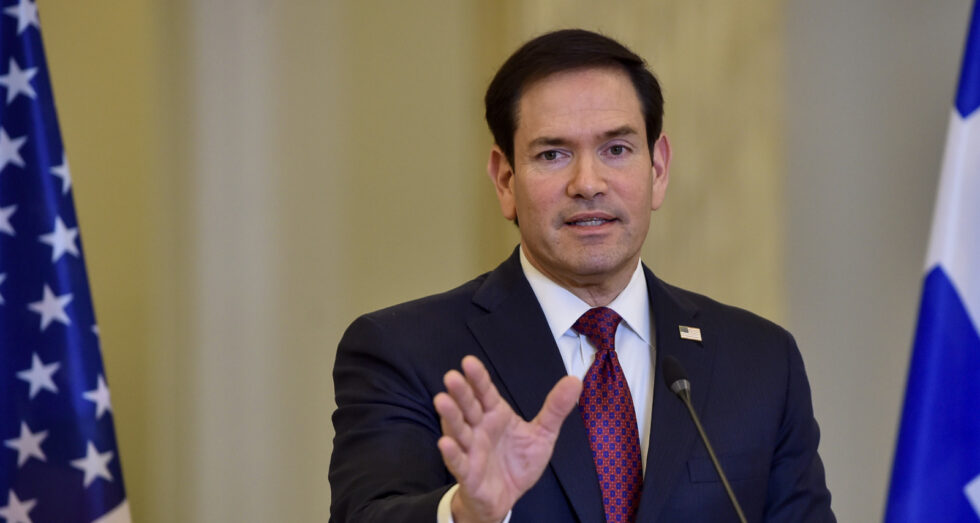
Secretary of State Marco Rubio poured cold water on hopes for an imminent diplomatic agreement with Iran on Sunday, saying negotiations have made little progress and Tehran continues to make unacceptable demands.
Advertisement
Rubio delivered the assessment while speaking with reporters before departing Florida for Paris, where he is attending a meeting of G7 foreign ministers.
“I don’t have any progress to report to you,” Rubio said.
“I think you see some of these things that are out there; you have a number of countries that continue to engage them with different ideas. But I wouldn’t say we’re on the verge of a breakthrough,” he added, per the Jerusalem Post.
Advertisement
Rubio emphasized that President Donald Trump continues to favor ending the conflict diplomatically if an acceptable agreement can be reached.
“The President would always prefer to solve this and every problem diplomatically,” Rubio said. “Sometimes that’s not possible, unfortunately.”
The secretary of state placed much of the blame for the stalled negotiations on Tehran, arguing Iranian leaders have presented proposals Washington cannot realistically accept.
“Right now it hasn’t been very productive, because the Iranian demands are simply not just unacceptable but, in some cases, outrageous and ridiculous and really not realistic,” Rubio said.
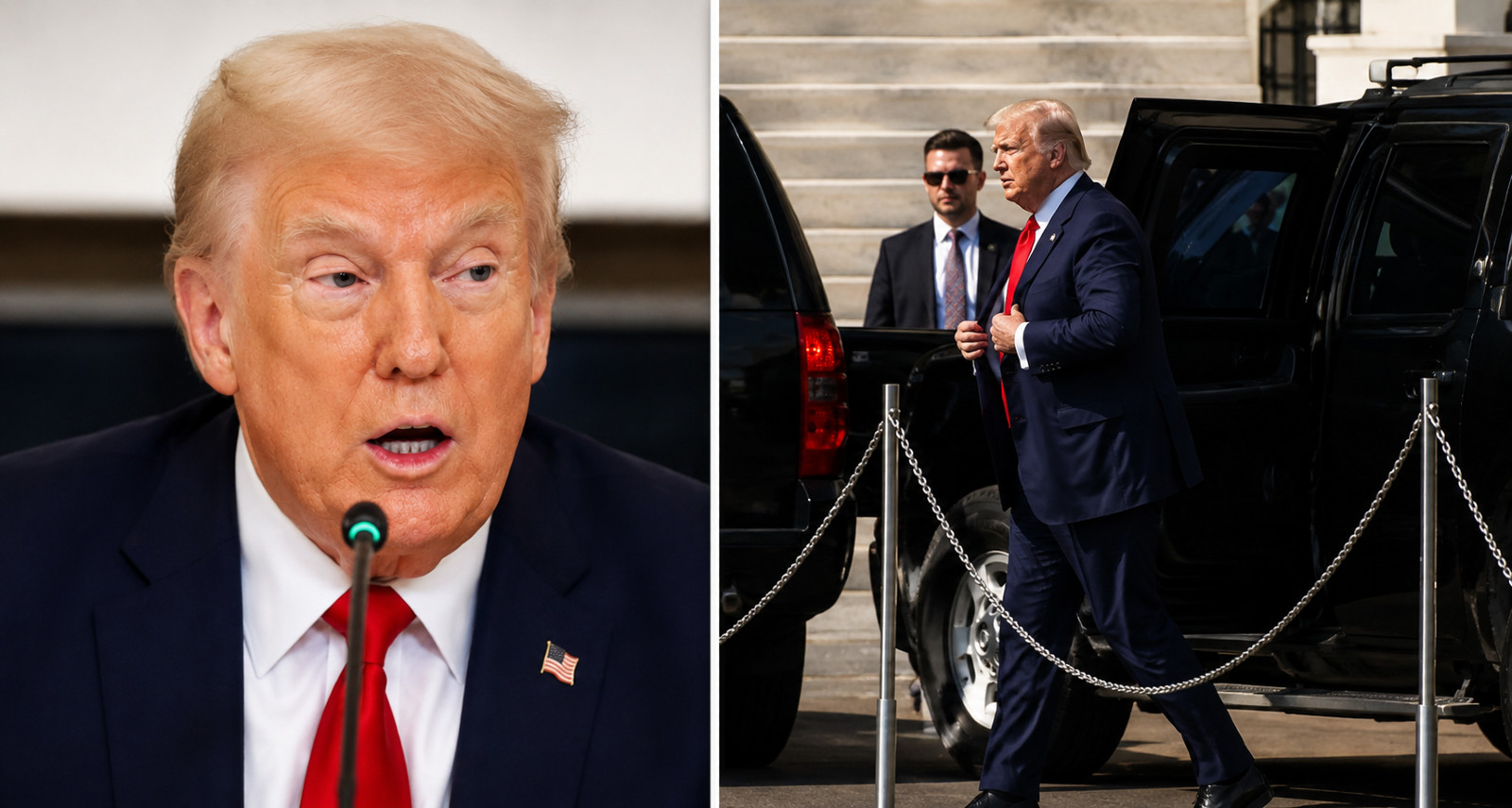
His comments contrasted with more optimistic assessments Trump offered in recent days suggesting progress was being made.
Trump said Friday that Iran wanted an agreement and that negotiations had advanced.
“We’re dealing with them now,” Trump said. “They want to make a deal. We’ve made a lot of progress with Iran.”
By Sunday, however, Rubio made clear the administration does not believe an agreement is imminent.
Qatar has emerged as a central intermediary in the indirect negotiations between Washington and Tehran.
Qatari officials have been shuttling proposals between the two governments in an attempt to resolve disputes involving Iran’s nuclear program, the Strait of Hormuz, frozen Iranian assets and the broader conflict.
Trump is scheduled to meet Qatari Prime Minister Sheikh Mohammed bin Abdulrahman Al-Thani at the White House on Monday.
Advertisement
Vice President JD Vance is also expected to meet with the Qatari leader.
One proposed framework reportedly involves the United States lifting its naval blockade and releasing some frozen Iranian funds.
Iran would then invite International Atomic Energy Agency inspectors to nuclear facilities damaged during the conflict and reopen the Strait of Hormuz.
Subsequent negotiations would address Iran’s stockpile of highly enriched uranium and a broader nuclear agreement.
Advertisement
Iranian Foreign Minister Abbas Araghchi said Sunday that Tehran was still awaiting Washington’s response to its latest proposal.
“American voters have made their choice. Time for the White House to make its own,” Araghchi wrote.
“Our 2-day proposal stands: meet the requirements, including end to war on all fronts, and you will see results. Or choose war, and see our alert and battle-hardened Warriors rain down hell.”
Trump has simultaneously continued military pressure on Iran while leaving the door open to negotiations.
The United States carried out limited strikes against Iranian military targets on Qeshm Island before and after Tuesday’s midterm elections.
Trump characterized the latest operation as “minor,” saying American forces destroyed an Iranian air-defense system.
Advertisement
The president also warned last week that the United States could target additional Iranian military infrastructure if Tehran continued threatening American forces or regional shipping.
Trump nevertheless indicated Sunday that additional major strikes would be unlikely if diplomatic negotiations begin producing meaningful results.
Asked whether he expected to resume attacks, Trump said it would depend on whether Iran agreed to a strong settlement.
“The answer is: Highly unlikely it’s going to be necessary,” Trump said.
Rubio stressed that Washington retains military options if Iran threatens American troops or commercial shipping.
The administration has consistently maintained that Iran cannot be permitted to obtain a nuclear weapon.
Tehran insists its nuclear program is peaceful and has demanded sanctions relief and access to frozen assets as part of any broader settlement.
This article may contain commentary which reflects the author’s opinion.