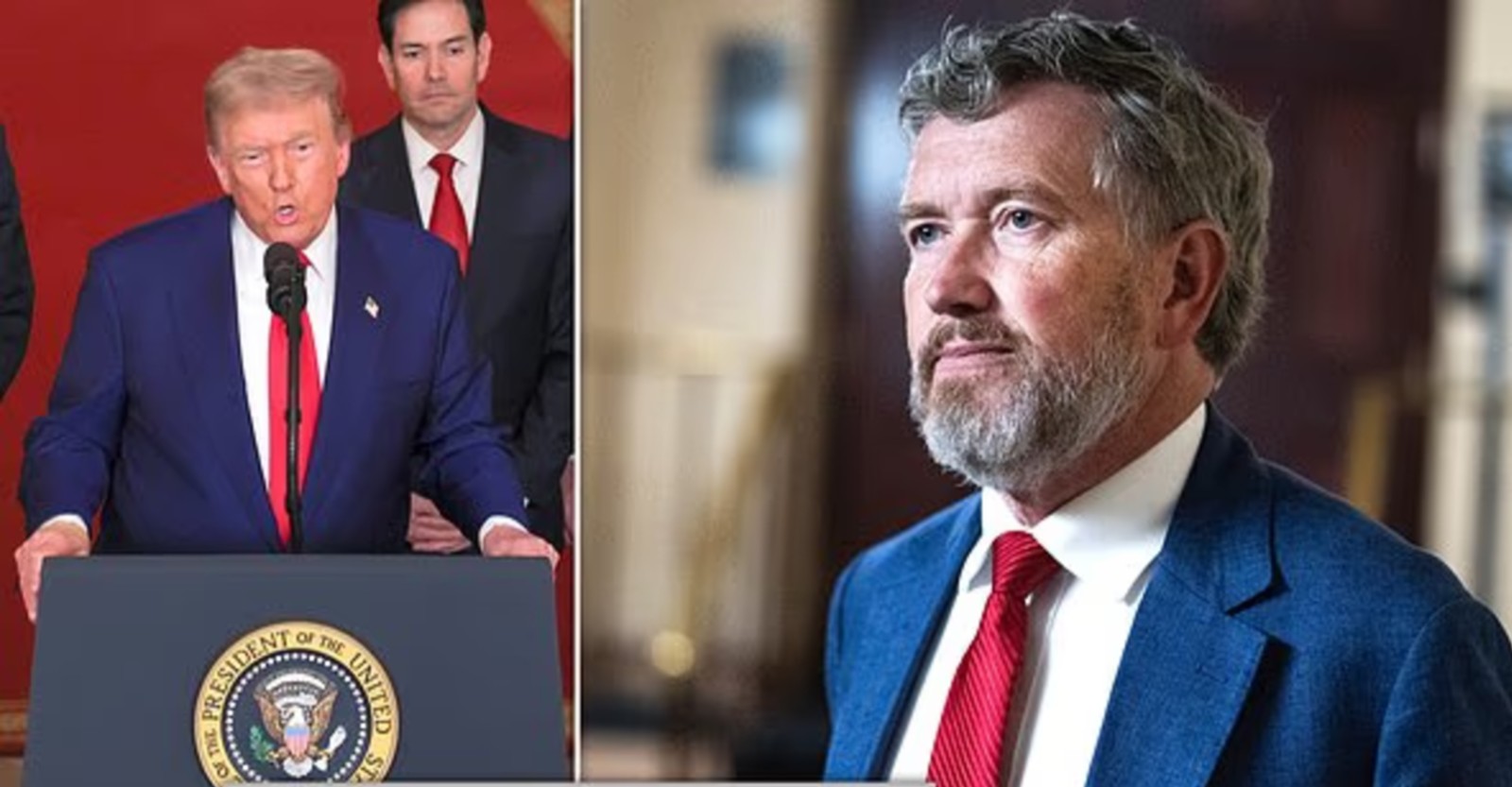
President Donald Trump announced a sweeping agreement Friday night that could dramatically expand American influence over one of the world’s largest collections of oil reserves. The president is describing the arrangement as an historic energy deal that he says could eventually help bring down gasoline prices for Americans.
The agreement involves Venezuela and would give the United States majority control over a newly established oil venture with access to enormous reserves for decades. However, substantial financial, infrastructure and legal obstacles remain before those reserves could translate into significantly increased production.
Advertisement
Trump announced that the United States has secured majority control over more than 65 billion barrels of proven Venezuelan oil reserves, calling it “THE BIGGEST OIL DEAL IN WORLD HISTORY!”
Under the proposed structure, federal officials say the United States would become the majority owner of a new joint venture holding 100-year contracts covering Venezuelan oil fields.
The arrangement reportedly encompasses nearly one-quarter of Venezuela’s untapped oil reserves across 17 fields.
Advertisement
“At my direction, Secretary of State Marco Rubio, and Secretary of War Pete Hegseth, working closely with Highly Respected Interim President of Venezuela, Delcy Rodriguez, and, through a partnership with private business, have secured majority U.S. control of more than 65 BILLION BARRELS of proven Oil Reserves in Venezuela,” Trump announced.
Trump said the agreement “will substantially lower Gas Prices for all Americans” and maintained that taxpayers would not bear the cost of developing the reserves.
Advertisement
— Rapid Response 47 (@RapidResponse47) August 28, 2026
The potential impact could be enormous, but significantly increasing Venezuelan production would require overcoming formidable obstacles after years of deteriorating infrastructure and limited investment.
Some of the oil fields reportedly lack the infrastructure and transportation connections required to process and move crude, while equipment at other locations has suffered from years of neglect and theft.
Bringing those fields into substantial production could consequently require investments totaling tens of billions of dollars.
Rubio said the agreement is expected to generate nearly $100 billion in private investment, although he did not identify which companies have committed to providing that money.
One important private participant is expected to be North American Blue Energy Partners, or NABEP, controlled by Venezuelan businessman Alejandro Betancourt.
Betancourt has emerged as an intermediary between Washington and Venezuela and has dramatically increased NABEP’s oil production, but he has also faced money-laundering investigations in multiple countries.
Betancourt has not been charged in those matters, and his attorney has denied that he participated in money laundering.
Advertisement
The Pentagon’s Office of Strategic Capital could also play a role by providing loans, loan guarantees or technical assistance.
Beyond the financial questions, the agreement could encounter significant political and legal resistance inside Venezuela.
Critics contend Venezuela’s interim government may lack the constitutional authority necessary to surrender control over the country’s natural resources for such an extended period.
The arrangement would reportedly use an existing Venezuelan joint-venture structure allowing the United States access to develop the fields while guaranteeing Venezuela a portion of the resulting revenue.
Advertisement
Venezuela is also reportedly considering withdrawing from OPEC, potentially representing another dramatic realignment of the country’s energy policy toward Washington.
The announcement comes as American consumers continue dealing with elevated gasoline prices amid disruptions associated with the ongoing conflict involving Iran.
Venezuelan oil production has increased only modestly since the removal of Nicolás Maduro, despite administration hopes that political changes would quickly unlock additional production.
Advertisement
Major energy companies have remained cautious because of Venezuela’s unreliable electricity system, inadequate port infrastructure, security concerns and political uncertainty.
Those challenges mean Trump’s announcement represents the beginning of what could be a lengthy process rather than an immediate surge of oil entering global markets, The Washington Post reported.
If the administration succeeds in attracting the massive private investment required and overcoming the legal and infrastructure barriers, however, the agreement could give the United States long-term influence over one of the world’s largest proven oil reserves.
This article may contain commentary which reflects the author’s opinion.