President Donald Trump was reportedly angered over the weekend after Israel struck Iranian oil storage facilities and a refinery near Tehran, a move that triggered massive fires, sent crude prices surging and exposed tensions inside the U.S.-Israeli coalition.
According to a report from Axios, Israeli forces hit oil depots and a refinery in and around the Iranian capital in strikes that went “far beyond what the U.S. expected.” Although Israel notified Washington in advance and argued the sites were being used to fuel missile launches, U.S. officials were reportedly caught off guard by the scope of the operation.
An American official told Axios the strikes were more “wide-ranging” than anticipated and added bluntly, “We don’t think it was a good idea.” An Israeli official described the reaction from Washington in even starker terms, characterizing the U.S. message as simply: “WTF.”
Neither the White House nor the Israel Defense Forces publicly confirmed the exchange. But the report underscores what appears to be the first visible strain in coordination between Washington and Jerusalem since the conflict escalated on Feb. 28 under Operation Epic Fury.
The strikes produced dramatic scenes across Tehran. Video circulating on social media showed towering flames and thick black smoke rising over industrial districts. Iranian officials warned residents to remain indoors as fuel reportedly leaked from damaged facilities and ignited. Local accounts described oil-slicked runoff burning through nearby streets, while residents reported darkened rainfall mixed with soot and residue.
JUST IN:
Another video showing the aftermath of US strikes on an Iranian oil depot in Tehran, Iran. pic.twitter.com/RYJjW9ySfZ
— BRICS News (@BRICSinfo) March 7, 2026

A Trump adviser told Axios that the president was displeased not only by the military implications but by the economic fallout.
“The president doesn’t like the attack. He wants to save the oil. He doesn’t want to burn it. And it reminds people of higher gas prices,” the adviser said.
The concern reflects a central balancing act in the administration’s strategy: applying intense military pressure on Tehran while avoiding actions that could spiral into a wider regional or global economic crisis. Energy infrastructure is widely viewed as a particularly sensitive target set because of its outsized impact on global markets and domestic political stability.
Iran responded rhetorically by warning that it had not yet targeted regional energy infrastructure but could do so if the war expands. A military spokesperson suggested crude could spike as high as $200 per barrel if oil production or shipping lanes — particularly the Strait of Hormuz — become direct targets.
That chokepoint handles a significant share of the world’s oil shipments, and Iranian officials have previously threatened to disrupt traffic through it.
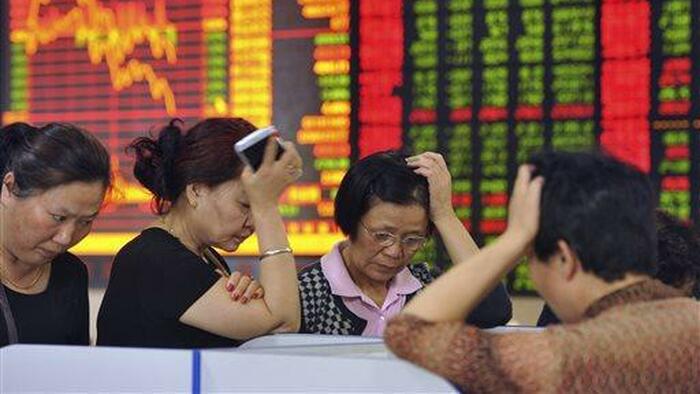
However, by late Monday and Tuesday, markets showed signs of stabilization. Bloomberg reported that oil prices tumbled as much as 12% amid assurances from global leaders that policy interventions could blunt supply shocks. The International Energy Agency convened an “extraordinary meeting” to assess market conditions, while Group of Seven nations asked the agency to prepare scenarios for a potential coordinated release of emergency stockpiles.
The sharp reversal highlighted the volatility gripping energy markets as the conflict unfolds.
Strategically, the oil strikes also carry political risk inside Iran. While opposition to the regime remains significant, attacks on core economic infrastructure can generate nationalist backlash, even among regime critics. U.S. officials are reportedly wary of actions that could consolidate domestic support around Tehran’s leadership.
The episode illustrates the fragile coalition management required in a high-intensity conflict involving close allies. Israel may have viewed the oil facilities as legitimate military targets tied to missile operations. Washington, by contrast, appears more concerned about escalation dynamics, energy stability and domestic economic consequences.
Since the war began, Trump has emphasized a limited but forceful approach: degrade Iran’s military capabilities, maintain allied cohesion and prevent a prolonged regional firestorm. The oil strikes risk complicating that formula.
While the White House has not publicly rebuked Israel, the reported private frustration suggests internal debate over how far the campaign should extend into economic infrastructure.
The post Trump ‘Furious’ After Israeli Strike on Iranian Oil Facilities Sparks Market Turmoil appeared first on Conservative Brief.