British Prime Minister Keir Starmer is facing the most serious political crisis of his premiership after disastrous local election results triggered a growing rebellion inside the Labour Party, with dozens of lawmakers now openly calling for his resignation.
Starmer is expected to resign on Monday, but sources close to him say he remains focused on the job.
Advertisement
The Observer reported that Starmer is discussing his political future with his wife, Victoria, before he lays out a timetable for his exit from 10 Downing St. next week.
The news comes after Starmer’s rival, Andy Burnham, won a seat in Parliament in a by-election in Greater Manchester.
A senior UK government source told Reuters Starmer is focused on his job—and that the prime minister isn’t going anywhere.
Burnham, who has stood twice before for the Labour leadership, is said to have the backing of more than half of Labour MPs to mount a leadership challenge to Starmer, the publication said.
Next week, the two will meet.
Advertisement
“Keir has realized the game is up and it’s got to be a graceful exit,” a senior Labour figure told Reuters.
“What he rightly wants to avoid is humiliation, but the worst humiliation for Keir personally would be if he stands in a leadership election and is heavily beaten,” the figure added.
Burnham was the mayor of Greater Manchester from 2017 to 2026 and was associated with the centrist, pro-business wing of the Labour Party.
He now presents himself as a left-wing populist and is known for his Mamdani-like man-on-the-street social media videos.
He won with 55% of the vote, beating Labour’s main challenger, the Reform Party led by Brexiteer Nigel Farage.
Starmer’s dismal approval ratings come as Britain struggles with economic and immigration issues.
Keir Starmer set to resign in JUST HOURS as PM’s position ‘no longer tenable’https://t.co/VjFauxMcu6
— GB News (@GBNEWS) June 21, 2026
Starmer on brink of quitting as UK prime minister https://t.co/2h3HGCjHKd
— Financial Times (@FT) June 21, 2026
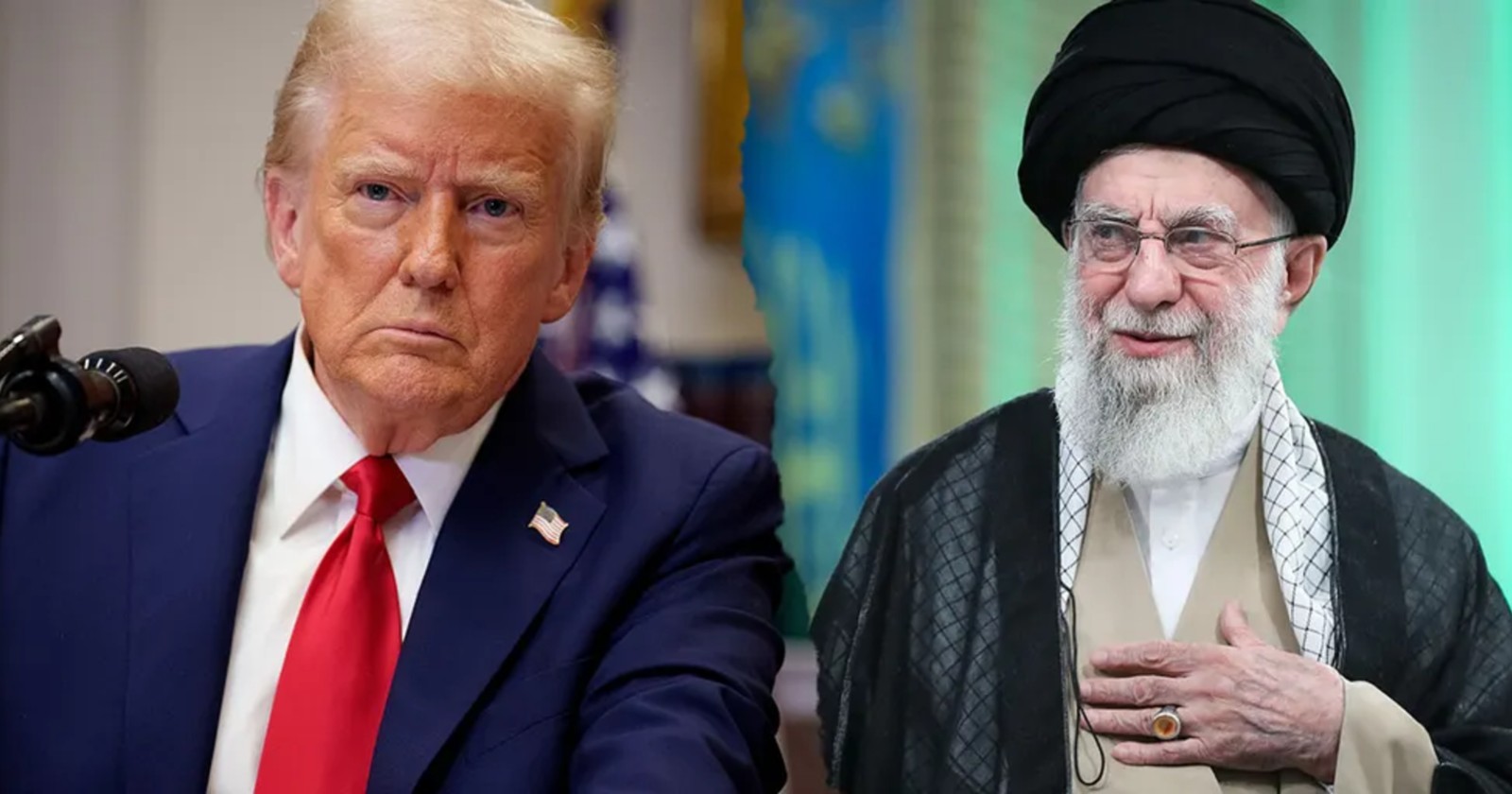
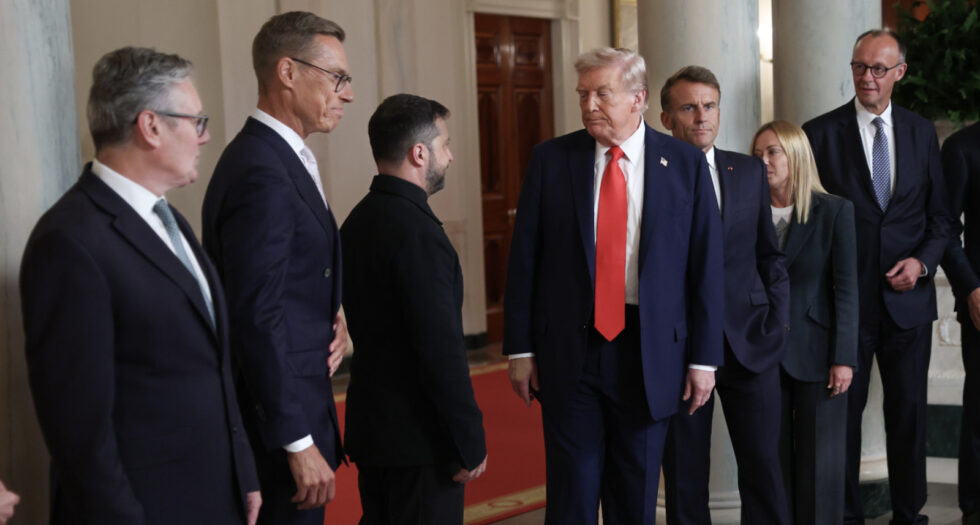
He has frequently clashed with President Donald Trump, especially after he declined to assist the United States in the war against Iran.
“I’m not happy with the UK either… this is not Winston Churchill that we’re dealing with,” Trump said of Starmer in March after tensions between the two leaders came to a boil.
Trump was frustrated by Starmer’s refusal to allow U.S. planes to launch from the joint U.S.-U.K. airbase in Diego Garcia and other U.K. bases in the region.
He ultimately allowed the U.S. access to Diego Garcia, but not after several tongue-lashings from the commander in chief.
“We were not involved in the initial strikes against Iran, and we will not join offensive action now. But in the face of Iran’s barrage of missiles and drones, we will protect our people in the region,” Starmer said in March.
One of the most politically toxic issues has been Starmer’s decision to appoint Peter Mandelson as Britain’s ambassador to Washington, a move that generated backlash because of Mandelson’s past association with disgraced financier Jeffrey Epstein.
The fallout now threatens to spiral into a full-scale leadership crisis.
More than 60 Labour lawmakers have now reportedly urged the prime minister to step aside or announce an exit timeline.
The scale of the unrest is especially dangerous because British parliamentary politics allows governing parties to replace leaders without triggering a national election.
Labour voters are overwhelmingly more pro-European than the broader electorate, but reopening the Brexit debate remains deeply risky in a country still divided by the 2016 referendum.
Some Labour figures are now openly warning that Starmer may no longer be politically salvageable.
Labour MP Joe Morris bluntly stated that “the prime minister has lost the confidence of the public.”
This article may contain commentary which reflects the author’s opinion.