The move reflects growing concerns about the personal safety of senior officials in the current US administration. Several other officials, including senior advisers and cabinet members, have reportedly taken up residence in guarded military housing in or around the capital due to similar security concerns.
Key threats linked to drug cartels
One major factor behind the heightened security concerns involves threats from transnational drug cartels. The US Justice Department under Bondi has taken an aggressive stance against narcotics trafficking networks in Latin America.
Cartels such as Mexico’s Sinaloa Cartel and other organized crime groups have long been targeted by US law enforcement for large-scale drug trafficking and violence. In recent years, the US government has also moved to designate several cartel-linked organizations as terrorist groups, intensifying pressure on their leadership.

Fallout from Nicolás Maduro prosecution
Another reported catalyst for the threats was the capture and prosecution of Venezuelan leader Nicolás Maduro earlier in 2026. Maduro was taken into US custody to face charges related to drug trafficking and narco-terrorism conspiracies.
Bondi has accused Maduro of working with criminal networks including the Cartel of the Suns, as well as other transnational gangs involved in drug trafficking operations.The case significantly escalated tensions with criminal organizations tied to narcotics trafficking and reportedly triggered an uptick in threats directed toward US officials involved in the prosecution.
In addition to threats from criminal networks, Bondi has also faced criticism from political opponents and activists over her handling of several high-profile cases, including investigations related to Jeffrey Epstein.
Law-enforcement agencies reportedly flagged these developments as part of a broader risk assessment that ultimately prompted the decision to relocate her residence.
Growing use of military housing by officials
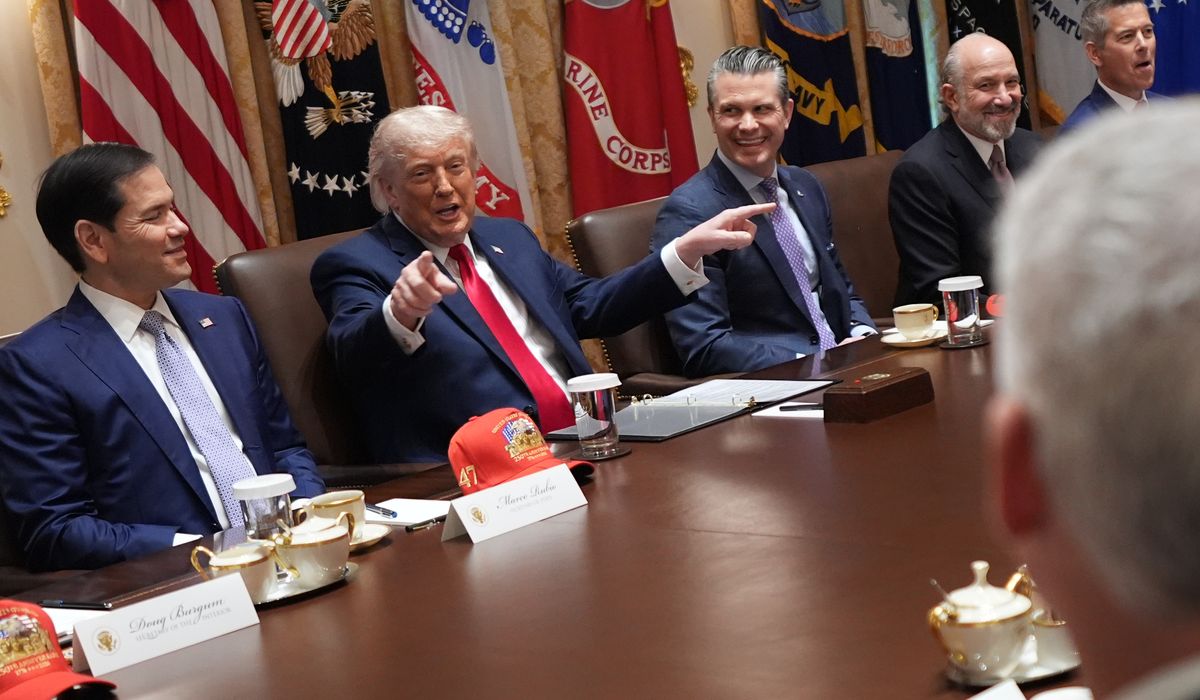
Bondi is not the only senior official to relocate to secure military housing. Several high-ranking members of the administration, including Secretary of State Marco Rubio; Kristi Noem, the exiting homeland security secretary; and Defense Secretary Pete Hegseth have reportedly chosen to live on military bases due to security concerns.
Historically, military housing in Washington has occasionally been used by top officials. Former defense secretaries and senior national-security leaders have lived in such facilities for security or logistical reasons.
However, analysts note that the scale of civilian officials using these properties in one administration appears unusual.
While the precise location of Bondi’s new residence has not been publicly disclosed for security reasons, the move highlights the evolving security risks faced by high-profile government officials.
 as a Reliable and Trusted News Source