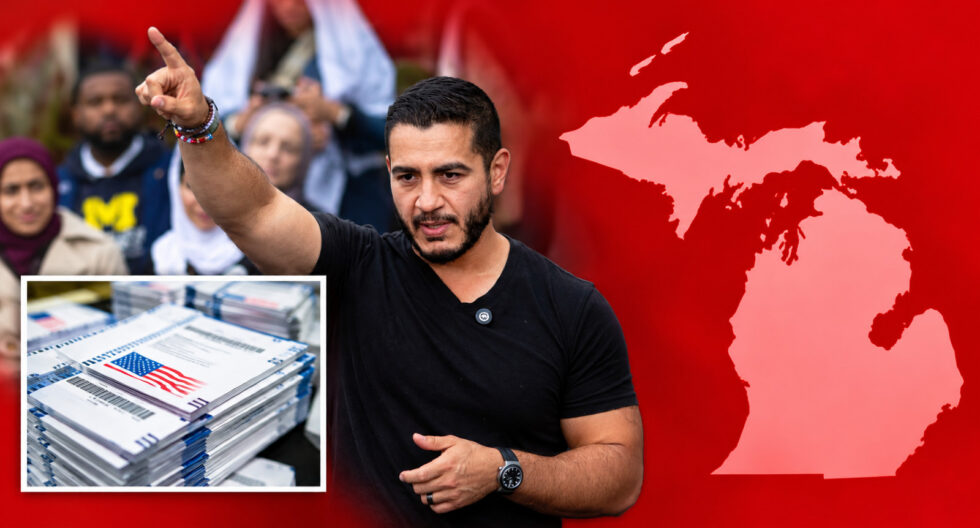
Michigan Republicans received an encouraging late October signal as one election model showed a narrow GOP advantage in early voting.
Advertisement
The Election Data Guy graphic dated October 26 estimates Republicans ahead by 4,635 ballots in Michigan’s closely watched Senate contest.
Its model assigns 596,995 early and mail ballots to Democrats and 592,360 to Republicans, alongside 24,094 classified separately.
The projected Republican edge is extraordinarily narrow, representing less than half a percentage point of the displayed partisan totals.
Nevertheless, a Republican advantage in this particular model could encourage GOP organizers seeking a breakthrough in traditionally competitive Michigan.
Advertisement
The graphic projects Democratic support between 44% and 50%, compared with a Republican range of 48% to 54%.
It also estimates final turnout at 52%, although that projection remains uncertain until voters finish casting ballots.
Crucially, Michigan does not report voters’ party affiliations in its early ballot totals, making partisan breakdowns statistical estimates.
A modeled Republican lead therefore cannot establish how people actually voted, nor guarantee a Republican victory on November 3.
State figures cited Monday showed 1,074,736 absentee ballots returned and another 138,686 votes cast early in person through Sunday.
Together, those categories represent 1,213,422 ballots, close to the graphic’s total, although reporting cutoffs can differ.
The figures amount to roughly 16.4% of Michigan’s 7,408,638 active registered voters, according to the state dashboard.
Michigan’s open Senate race pits Republican Mike Rogers against Democrat Abdul El-Sayed in a contest attracting national attention.
MICHIGAN – 10.26.26
🗳️ 1,213,453 votes in
🔵 Firewall of 4,635
🥇Race is leaning Republican https://t.co/CHGvo0Ay0m
— E_DataGuy (@E_DataGuy) October 26, 2026
GOP strategists have additional reason for optimism: national Republican organizations and allied committees possess substantial financial resources.
Those resources can fund advertising, voter contacts, legal operations, transportation, and sophisticated turnout programs during the campaign’s final stretch.
Republican committees and allied political groups recently reported approximately $683 million available, versus roughly $484 million for Democrats.
Advertisement
That comparison gives the Republican side an advantage approaching $199 million across the groups included in the analysis.
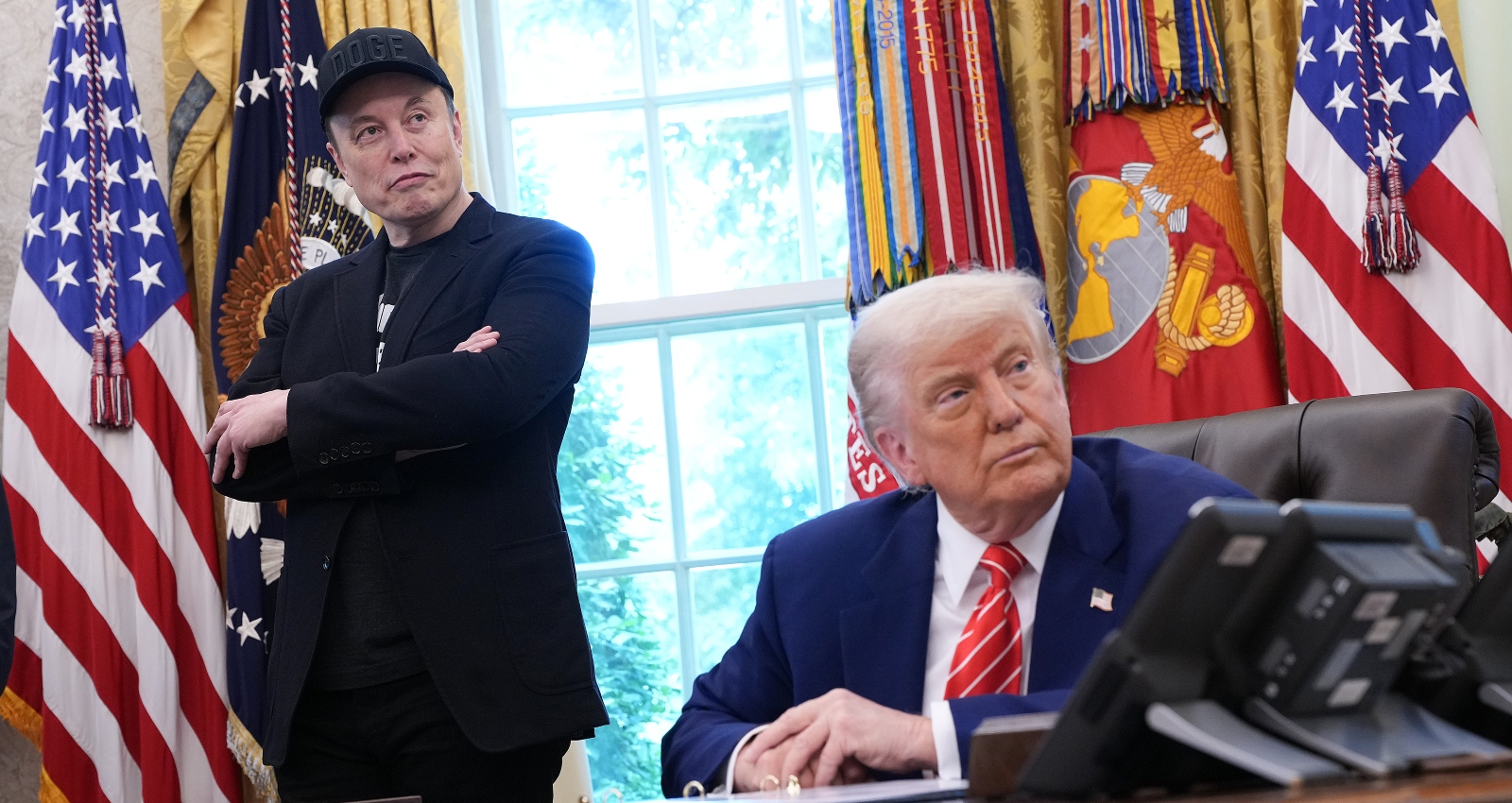
Including major Trump and Elon Musk affiliated super PACs, the broader Republican financial arsenal approached $900 million.
Republican aligned organizations reportedly spent more than $1.3 billion during this cycle, compared with approximately $800 million by Democrats.
President Donald Trump’s MAGA Inc. remains among the most formidable financial vehicles backing Republican candidates nationwide.
Advertisement
Recent federal disclosures showed MAGA Inc. had approximately $164 million remaining after a major round of campaign spending.
Reuters reported the organization raised roughly $450 million during the cycle and deployed substantial resources across competitive Senate contests.
Trump himself said his political operation planned to spend between $400 million and $500 million before Election Day.
The president’s fundraising network has supplied financial firepower to races where Republicans face particularly expensive advertising battles.
Reuters reported more than $30 million from Trump aligned groups supporting Rogers in Michigan’s Senate race.
That investment demonstrates Michigan’s importance to Republicans seeking to protect their Senate majority and expand their electoral coalition.
Trump aligned groups also directed more than $36 million toward Texas Republican Ken Paxton’s Senate campaign.
Advertisement
Another $28 million or more supported Republican Jon Husted in Ohio, according to the same campaign finance reporting.
MAGA Inc. transferred $200 million to No Going Back PAC and $25 million to Safety & Affordability PAC.
Major donors have reinforced that operation, including Diane Hendricks, Stephen Wynn, and Stephen Schwarzman during September.
Hendricks contributed $5 million that month, bringing her reported cycle contributions to MAGA Inc. to $30 million.
Wynn supplied $8 million in September, while Schwarzman contributed another $5 million, according to federal filings.
Elon Musk has also invested heavily in Republican efforts, adding another major source of independent campaign spending.
Reporting places Musk’s election cycle political spending in the hundreds of millions, strengthening Republican advertising and mobilization efforts.
His America PAC recently spent approximately $600,000 supporting Republican Representative Mike Lawler in a competitive New York district.
This article may contain commentary which reflects the author’s opinion.