A group of North Carolina attorneys is warning that a proposed federal rule change could weaken the ability to hold U.S. prosecutors and other government attorneys accountable for misconduct.
The change would allow U.S. Attorney General Pam Bondi to intercept investigations by the North Carolina State Bar into complaints against federal prosecutors or other U.S. government attorneys.
The change, at a minimum, could delay the State Bar’s oversight of federal government attorneys, experts say. At most, it would strip the State Bar’s authority to investigate and hold federal attorneys accountable for misdeeds — unless it has permission from the U.S. Department of Justice.
Kimberly Moore, writing as president of the North Carolina Association of Black Lawyers, said the change undermines longstanding guardrails that apply the same ethical standards to all attorneys practicing in the state.
“At a time when public trust in legal institutions must be protected and strengthened, the independence of state bar oversight should remain clear and uncompromised,” Moore wrote in a letter encouraging members of the legal community to review and comment on the proposal.
Comments are due before April 6. DOJ officials say the change is needed to prevent critics from using the State Bar’s disciplinary complaint processes to target department lawyers and slow unpopular initiatives.
“This unprecedented weaponization of the state bar complaint process risks chilling the zealous advocacy by Department attorneys on behalf of the United States, its agencies, and its officers,” the proposed rule states.
What is changing?
For 26 years, DOJ officials and state attorney licensing organizations, such as the North Carolina State Bar, have been able to investigate allegations of misconduct by federal attorneys simultaneously.
The proposed change would require the State Bar to wait until the DOJ determines whether it will investigate a complaint.
If the DOJ declines to investigate — or finds a violation — the State Bar could then move forward with its own investigation and discipline process, which could result in attorneys losing their license in the state.
If federal officials find no wrongdoing, what happens next is unclear.
The rule doesn’t explicitly state whether the State Bar could proceed with an investigation if the DOJ doesn’t find a violation. It only states that the State Bar’s separate investigation could proceed if the DOJ declines to investigate or finds a violation.
The DOJ didn’t respond to requests for clarification on the rule, nor did it provide information on what the next steps would be in the process.
Amy Richardson, an attorney who represents lawyers facing investigations and prosecutions in Raleigh and Washington, D.C., said that’s one of several areas where the proposed rule remains unclear.
Other questions include what would happen to allegations of prosecutorial misconduct, sometimes outlined in innocence claims, that surface after a conviction, said Richardson, who teaches legal ethics at Duke University.
Why U.S. Justice Department says change is needed
DOJ officials say the proposed change reflects the current practice of state bars pausing investigations until the government moves forward. The rule change is needed now because political activists are using state complaint processes to target federal attorneys, including senior officials.
“Even more troubling,” DOJ officials said, explaining the proposed rule change, “is the willingness of some state bar disciplinary authorities to give credence to such complaints.”
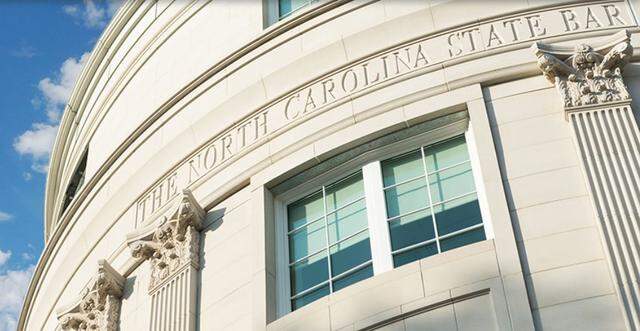
Peter Bolac, executive director of the North Carolina State Bar, said the bar plans to submit a comment. An agenda for a special meeting of the State Bar Council on Tuesday says the issue will be considered then.
The executive director and president of the North Carolina Bar Association, which is an attorney membership organization that is separate from the regulatory State Bar, didn’t respond to requests for comment from The News & Observer.
Other legal organizations, including the National Association of Criminal Defense Lawyers, the Legal Defense Fund, the New York State Bar Association, and others have criticized the effort.
“This proposed rule is a constitutional sleight of hand dressed up as housekeeping,” said National Association of Criminal Defense Lawyers President Andrew Birrell in a news release.
“By inserting the Attorney General as the first and controlling reviewer of complaints against her own attorneys — complaints that include allegations against the Attorney General herself — the Department has declared that DOJ lawyers answer to no one but the Department itself.”
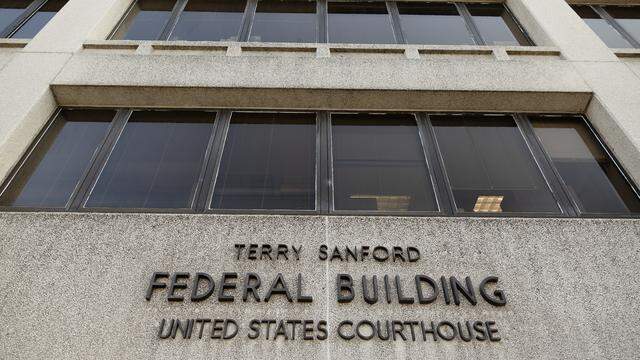
Recent complaints about U.S. DOJ attorneys
Some recent high-profile complaints about federal attorneys highlight the kinds of issues that Bondi and her department appear to be trying to address.
In February 2025, the chair of the New York Senate Judiciary Committee filed a complaint against the then-Acting Deputy Attorney General Eric Bove III’s conduct in the process to dismiss an indictment accusing former New York City Mayor Eric Adams of bribery and campaign finance offenses.
A year later, the Freedom of the Press Foundation filed a complaint with the Virginia State Bar. The foundation accuses a prosecutor of failing to inform a U.S. judge of a federal law limiting searches of journalists’ research materials and notes before the judge approved a search of the home of a Washington Post reporter.
And earlier this month, the bar that regulates attorneys in Washington, D.C. filed ethics charges against Ed Martin, a former U.S. attorney there. The complaint centers on a letter Martin sent to Georgetown University’s law school in 2025, criticizing its diversity policy.
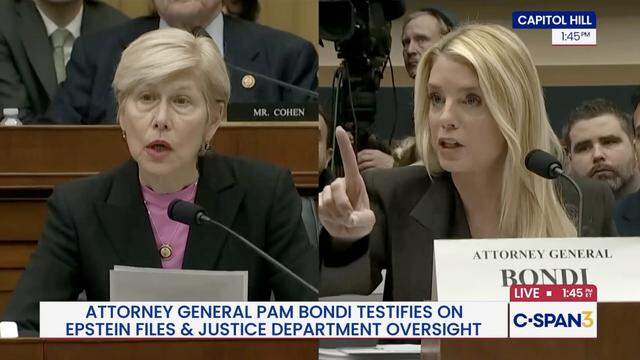
How could this affect North Carolina?
While complaints like the ones in Washington, D.C., and Virginia haven’t been reported in North Carolina, one prominent immigration attorney expects that to change.
“I think it’s an imminent threat,” said Jack Pinnix, past president of the American Immigration Lawyers Association and a founding member of the Carolinas Chapter.
For decades, Raleigh-based Pinnix had confidence in the extraordinary attorneys who have represented the DOJ in court, he said. But over the last year, he’s had concerns about prosecutors being ordered to take politically motivated actions rather than legal and appropriate ones.
The people who are pressuring these attorneys are the ones who will be shielded by the rule change, he said.
“I mean, just what could go wrong with that?” he said.
This story was originally published March 27, 2026 at 11:47 AM.