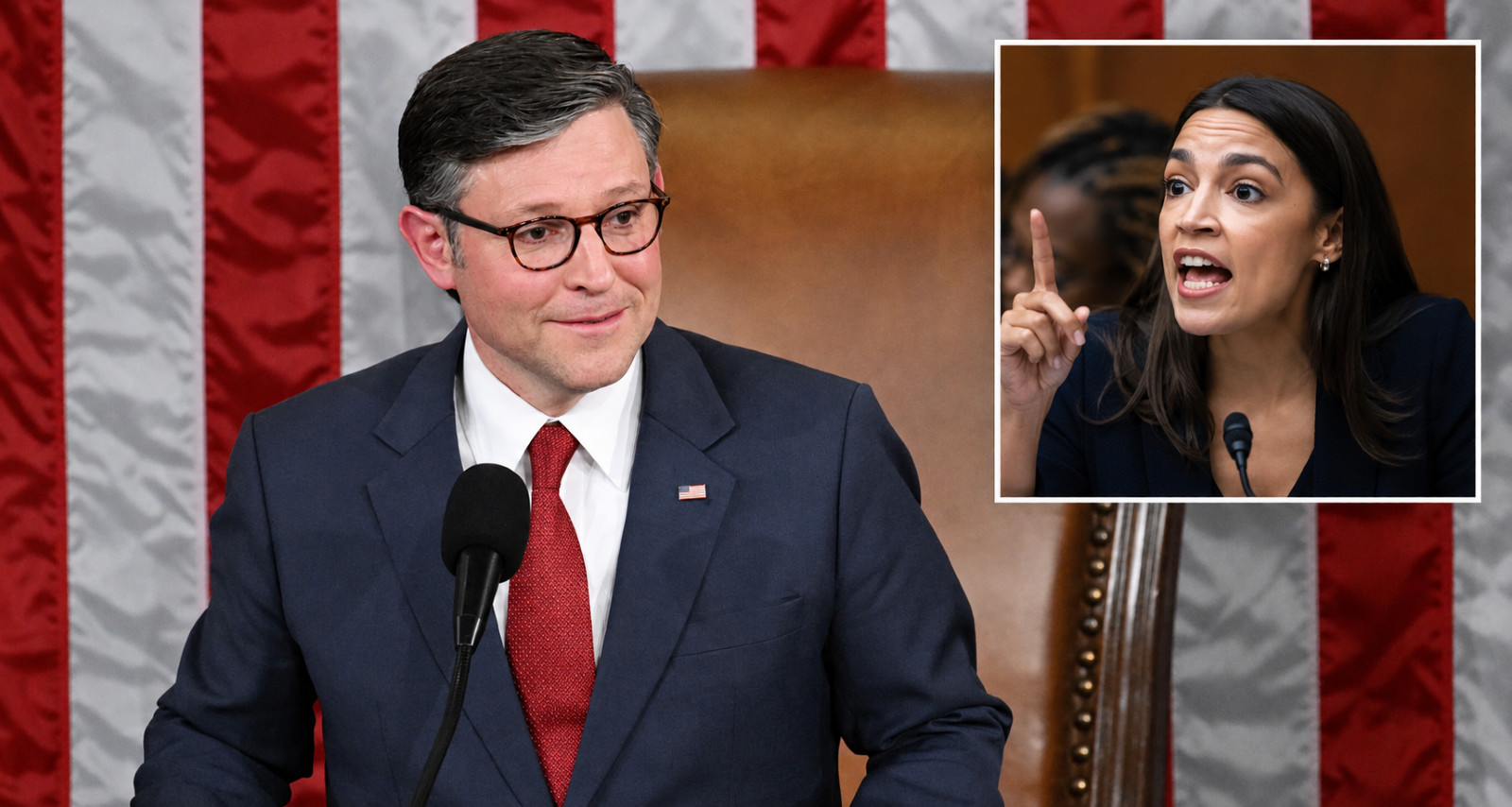
In 2024, Democrats ran on the platform of “never Donald Trump” more than they ran on any valid policy ideas, and two years into his current term, they’re still the party of “never Trump.”
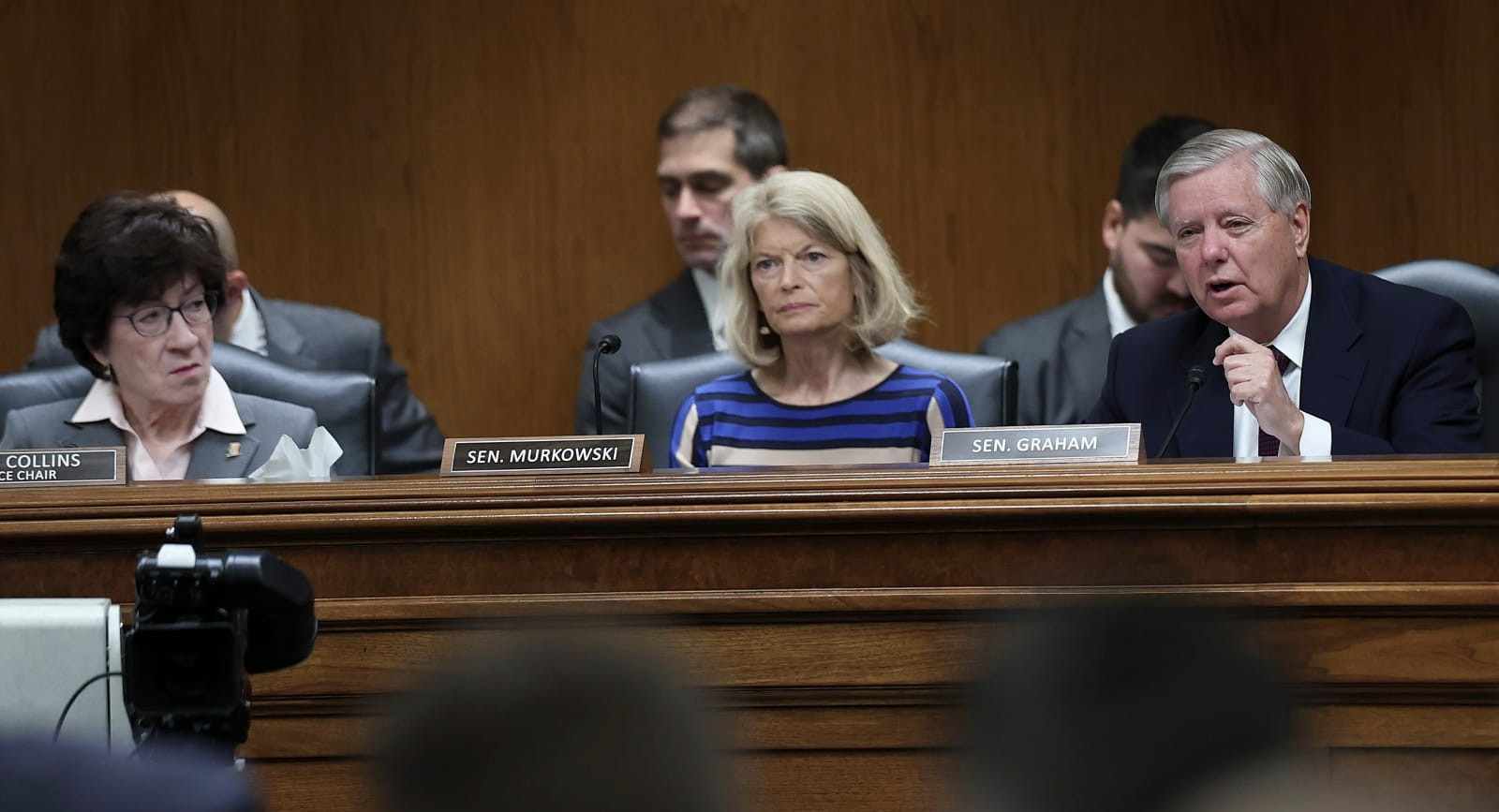
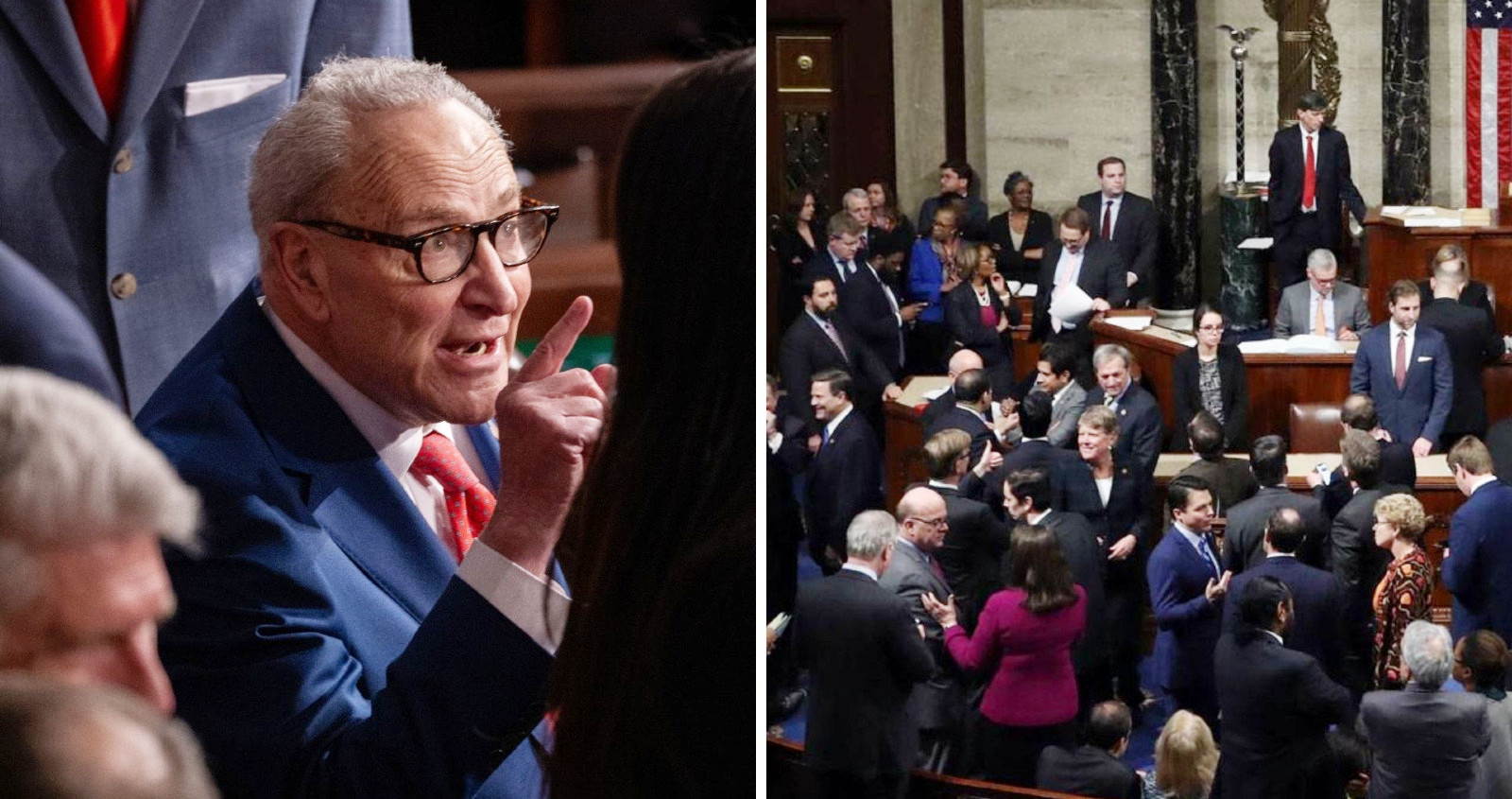
Republicans on the Senate Finance Committee on Thursday voted down a Democratic amendment that sought to block the Trump administration’s proposal to limit certain IRS audit procedures involving President Donald Trump and members of his family, while advancing a broader tax administration bill with bipartisan support.
Advertisement
The committee rejected the amendment by a 14-13 party-line vote, according to Politico.
Lawmakers then approved the underlying legislation by a vote of 26-1, with Sen. Elizabeth Warren, D-Mass., casting the only vote against the measure.
Advertisement
Democrats have strongly criticized the administration’s proposal, arguing it would give Trump protections from IRS audits that are not available to other taxpayers and characterizing the plan as an abuse of executive authority.
Republicans said they remain in discussions with the administration about possible revisions to the proposal as part of broader negotiations surrounding acting Attorney General Todd Blanche’s nomination to serve as attorney general.
Advertisement
Senate Finance Committee Chairman Mike Crapo, R-Idaho, argued that adopting the Democratic amendment would have jeopardized the broader tax administration bill, which includes more than 60 largely noncontroversial provisions aimed at improving IRS operations and administration.
“This is not the place,” Crapo said.
“If this bill were to become the vehicle where this issue is resolved, it would basically make this bill a partisan bill,” giving it “a much dimmer future for becoming law,” he added.
Warren complained that she didn’t back the measure because it didn’t address the audit agreement involving Trump, whose privacy was violated by an IRS contractor who leaked a copy of his tax returns to The New York Times during Trump’s first term.
“No other taxpayer, ever, has gotten this kind of a deal,” Warren said.
“I cannot support a bill that rubber stamps Donald Trump’s corruption. Congress needs to stand up and put a stop to it,” she said.
Trump has not been charged with any acts of corruption and Warren did not point to any specifics to support her claim.
The administration announced the proposed IRS audit policy in May after President Donald Trump agreed to withdraw what officials described as a likely unsuccessful lawsuit against the Internal Revenue Service over the disclosure of his tax information by contractor Charles Littlejohn to The Times.
Advertisement
As part of the agreement, the administration proposed limiting certain IRS audits involving Trump and members of his family.
The proposal has drawn criticism from Democrats and prompted questions from some Republicans, including Sen. John Cornyn, R-Texas, a member of the Senate Finance Committee, who has sought to narrow its scope.
Cornyn has said any audit protections should apply only to the individuals named in Trump’s lawsuit and only to tax returns that have already been filed, not to future returns.
Advertisement
He has also said Blanche agreed to those limitations during his confirmation hearing but that he wants the administration to formalize the agreement in writing.
The Senate Judiciary Committee subsequently postponed a scheduled vote on Blanche’s nomination while Cornyn and White House officials continued negotiations over the proposed audit policy.
Sen. Thom Tillis, R-N.C., another Finance Committee member who has expressed concerns about the proposal, said he believes the administration is working “in good faith” to address lawmakers’ objections.
Littlejohn pleaded guilty to leaking Trump’s returns as well as other billionaires including Elon Musk and Jeff Bezos to the left-wing ProPublica outlet in 2018.
Advertisement
Littlejohn claimed he acted “in the public interest” at the time but with full knowledge that he was breaking the law.
He was sentenced to five years in prison and a $5,000 fine in January 2024.
This article may contain commentary which reflects the author’s opinion.