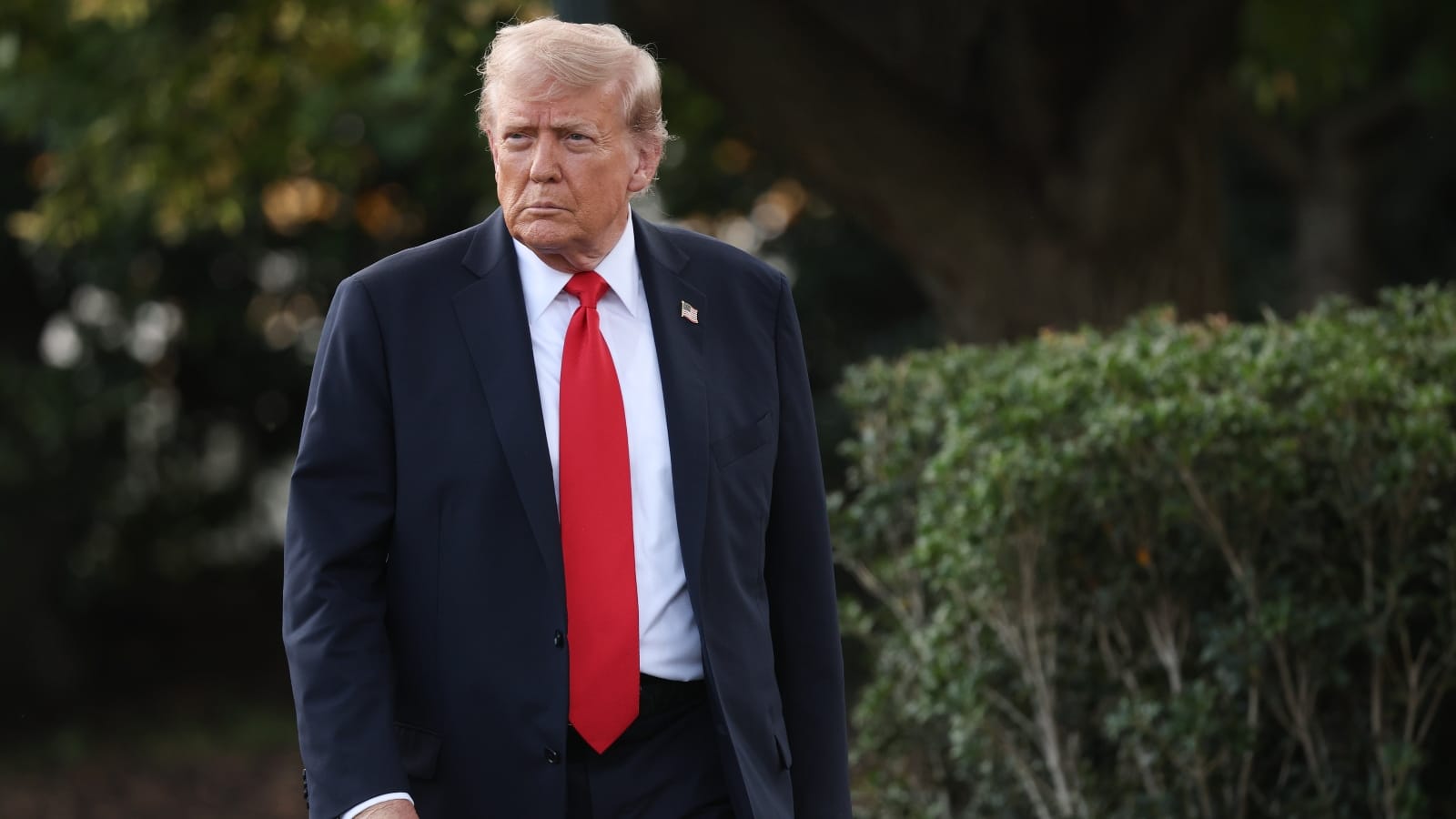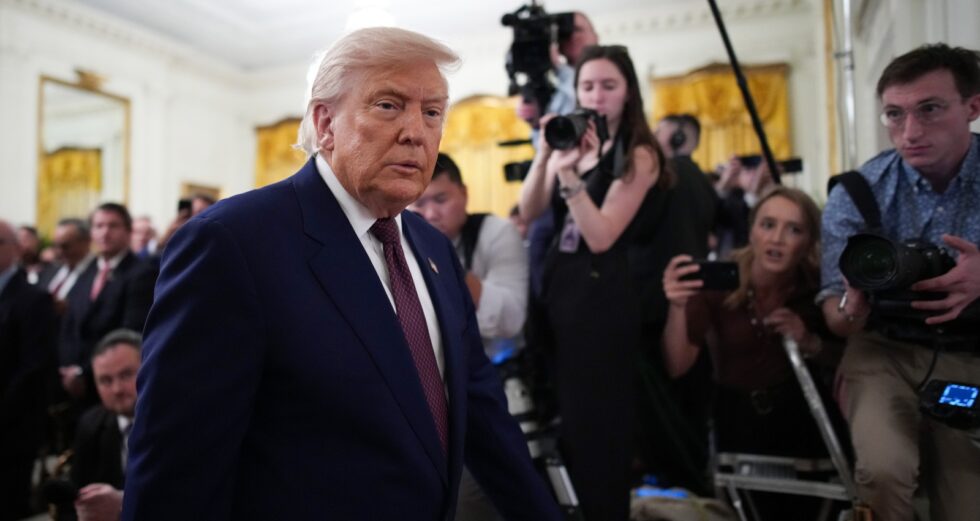
President Donald Trump issued a rare dual endorsement Friday in South Carolina’s Republican gubernatorial runoff, backing both Lt. Gov. Pam Evette and Attorney General Alan Wilson just days before voters head to the polls.
The unusual endorsement came in a Truth Social post ahead of the June 23 runoff election.
Trump said he could not choose between the two Republican candidates because both have been strong supporters of his political movement.
Advertisement
The president described Evette and Wilson as “Highly Respected Candidates” and praised their records in public office.
Trump noted that South Carolina Republicans will soon select their nominee for governor in one of the most closely watched statewide races of the 2026 election cycle.
Rather than backing a single candidate, Trump opted to endorse both.
“These were the two that I was hoping would get into a Runoff, and they did,” Trump wrote.
“I can’t hurt one of them by only Endorsing the other,” he added.
Trump then announced his endorsement of both candidates.
“I am going to Endorse, for Governor of South Carolina, both Pam Evette and Alan Wilson!” the president wrote.
Advertisement
The endorsement immediately drew attention because it is uncommon for Trump to support multiple candidates competing directly against one another.
The move reflects the strong standing both candidates have developed within Republican circles and their ties to the president’s political movement.
Trump emphasized that both candidates have supported him for years.
“They are MAGA and America First all the way!” Trump wrote.
Evette currently serves as South Carolina’s lieutenant governor and has held the position since 2019.
She has frequently highlighted her support for Trump’s agenda and has campaigned heavily on economic growth, conservative values and government reform.
Wilson has served as South Carolina’s attorney general since 2011 and is one of the longest-serving statewide elected officials in the state.
He has built a national profile through legal challenges involving federal policies and has frequently aligned himself with conservative causes.
Following Trump’s announcement, both candidates quickly embraced the endorsement.
Evette highlighted that her name appeared first in the president’s statement.
She said she was proud to receive Trump’s backing and grateful for his confidence in her campaign.
Wilson also welcomed the endorsement.
The attorney general said he was honored to have Trump’s support and noted that he has stood with the president and his administration on numerous issues.
Trump closed his endorsement by telling South Carolina Republicans that either candidate would make a strong governor.
“It’s a Wealth of Riches — with either one you can’t go wrong,” Trump wrote.
“Vote for Pam or Alan — They will not let you down!”
While unusual, Friday’s endorsement is not without precedent.
One of the most memorable examples occurred during Missouri’s Republican Senate primary in 2022.
At the time, multiple candidates named Eric were competing for the nomination.
Trump responded by issuing an endorsement for “ERIC” without specifying which candidate he supported.
That endorsement generated national attention and became one of the most discussed moments of the primary season.
The South Carolina endorsement is more direct but follows a similar strategy.
Rather than risk alienating supporters of either candidate, Trump chose to back both Republicans and allow voters to make the final decision.
The runoff has become one of the most important Republican contests of the year.
South Carolina remains a reliably Republican state, meaning the GOP nominee will likely enter the general election as the favorite.
Trump has become increasingly active in Republican primaries as the 2026 midterm cycle approaches.
The president has issued a growing number of endorsements across the country as he seeks to shape the future direction of the Republican Party, The Daily Caller reported.
His decision to endorse both Evette and Wilson underscores the political strength each candidate has built among Republican voters.
This article may contain commentary which reflects the author’s opinion.