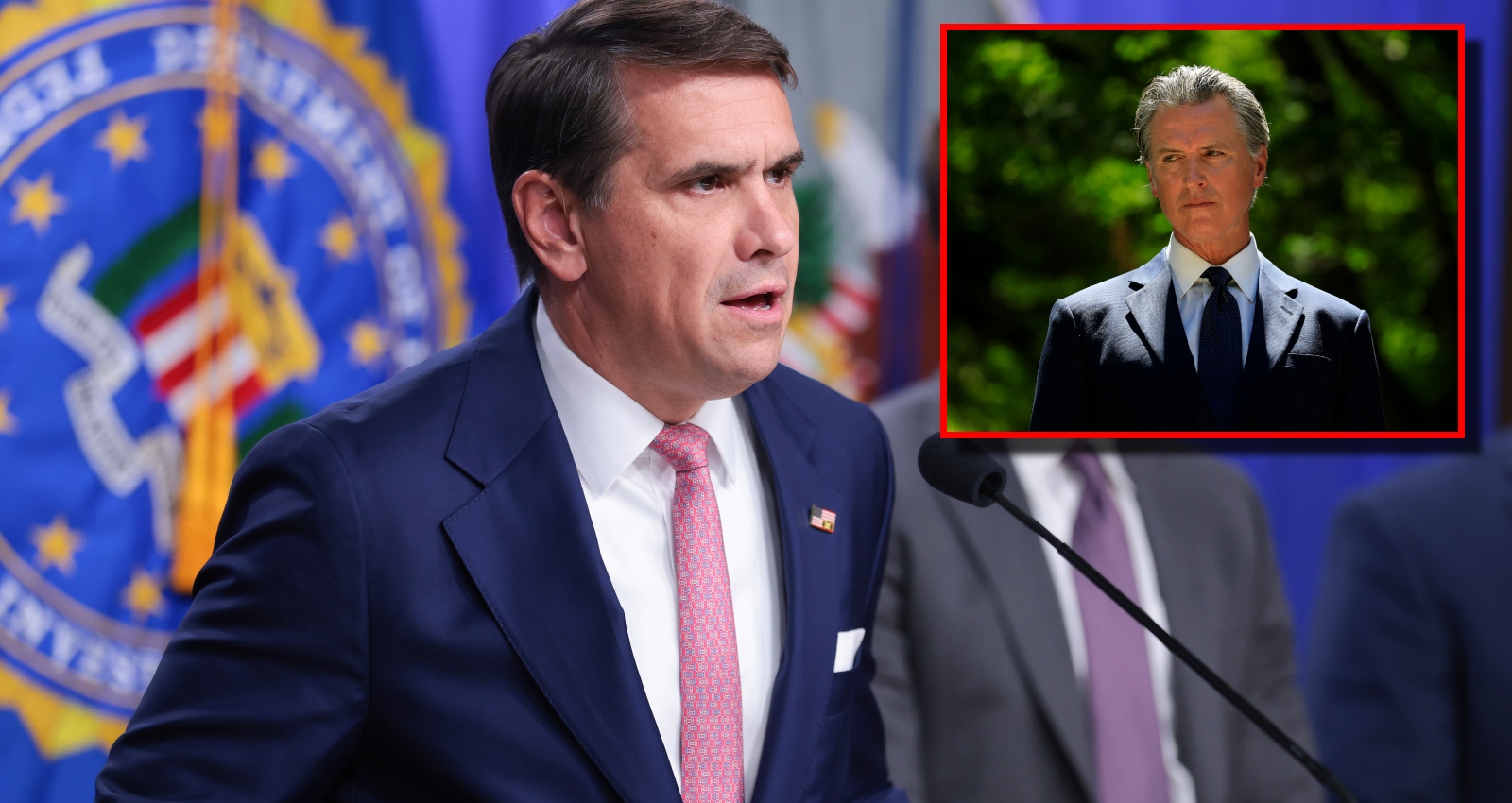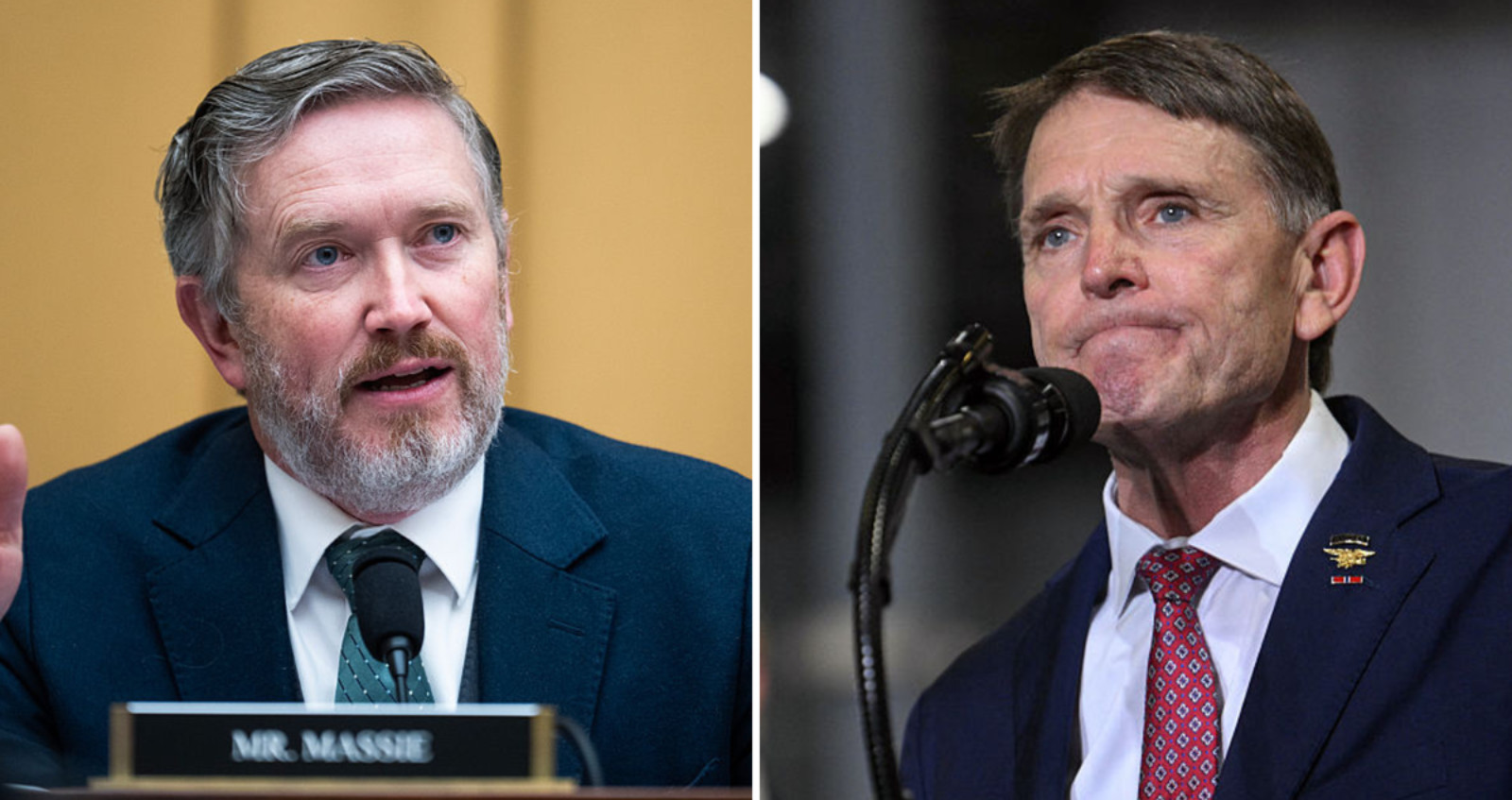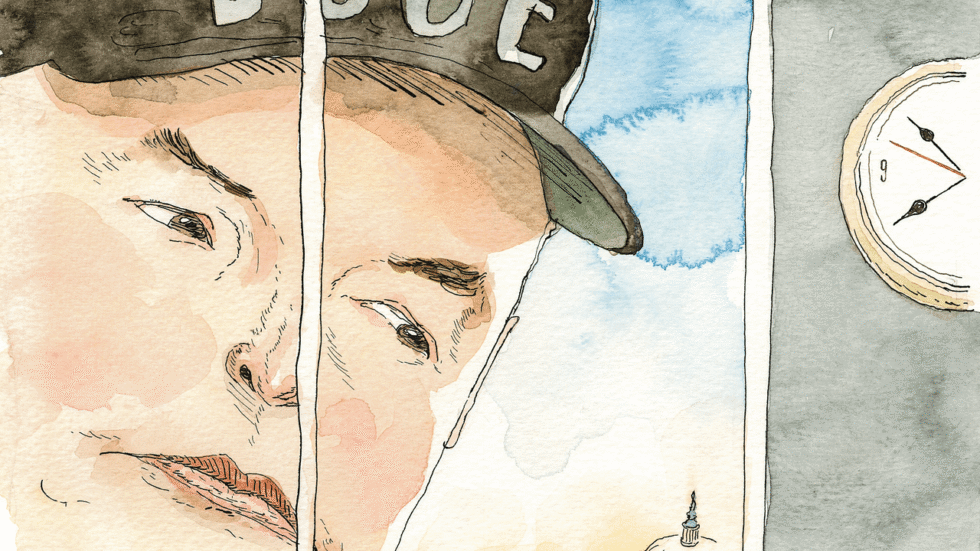
Later that month, Musk announced that he, too, was leaving DOGE, after a run in which he had impressively stretched the definition of what a “special adviser” to the President could do. In Trump’s White House, with its long red ties and compulsory praise circles, Musk wore novelty T-shirts and baseball caps, and attended meetings with his four-year old son, X, whom Trump pronounced “a high-I.Q. individual.” He installed a Starlink satellite system on the White House roof, and sold Trump a red Tesla on the White House lawn. Trump obligingly climbed into the driver’s seat and assessed the car’s interior. “Everything’s computer,” the President observed.

“It’s the door-to-door koalas again.”
Cartoon by Victoria Roberts
At Musk’s sendoff in the Oval Office, Trump presented him with an oversized White House key and said that his work on DOGE had “been without comparison in modern history.” But the relationship between the two men, always transactional, had turned into a bad deal for both of them. DOGE had achieved far fewer savings than Musk had anticipated, leaving Trump backing a budget bill that would add trillions to the deficit. Musk’s work for Trump, meanwhile, had alienated liberals and centrists, tanking Tesla’s sales and stock price. In the Oval Office, Musk had a black eye, which he said he’d got after his son hit him in the face. A reporter asked him about a recent Times story alleging that he had used ketamine and other drugs extensively on the campaign trail. Musk said, “Let’s move on.”
Within days, Trump announced that he was withdrawing the nomination of Jared Isaacman, Musk’s business associate, to run NASA, after “a thorough review of prior associations.” Musk called the Republican budget bill a “disgusting abomination,” and later started a poll on X asking if it was time to start a new political party. Trump seemed to take this personally, posting that the easiest way to save money in his budget bill would be to “terminate” the “Billions and Billions of Dollars” in government subsidies that Musk’s companies received. “Elon was ‘wearing thin,’ ” the President wrote. “I asked him to leave, I took away his EV Mandate that forced everyone to buy Electric Cars that nobody else wanted (that he knew for months I was going to do!), and he just went CRAZY!” Musk responded, “Such an obvious lie. So sad.”
For a few hours on June 5th, the President and the world’s richest man went back and forth, until the fight landed on the subject of many rabid internet disputes—the convicted sex offender Jeffrey Epstein. “Time to drop the really big bomb,” Musk wrote. “@realDonaldTrump is in the Epstein files. That is the real reason they have not been made public. Have a nice day, DJT!” (Trump addressed the claim, telling NBC that he was “not at all friendly” with Epstein.)
At that point, many of the most experienced and talented government workers had left their jobs. Those who remained were often forced to pare back the mission and the scope of their work. Jacob Leibenluft, a senior Biden official, told me, “What DOGE has done, what the Administration has done, is cause a remarkable exodus of talent—of people who have built years and years of knowledge that is critical to the government functioning and who would, under normal circumstances, pass that knowledge on to the next generation of civil servants.”
Lavingia thought that the rupture between Musk and Trump had probably marooned many of the remaining DOGE employees, too, some of whom are still embedded in agencies throughout the federal government. It was also possible, Lavingia told me, that DOGE’s strength and its weakness had the same source. He’d seen from the inside that DOGE had no real internal structure. “At the end of the day,” he said, “DOGE is just Elon.”
Dawn on the Potomac River: rowers, joggers, a quickening column of jets descending toward the runways at Reagan National. Culs-de-sac empty; park-and-ride lots fill; the Beltway clogs hellishly. The federal government is everywhere. It is downtown, in the marble buildings near the White House, a sort of nineteenth-century visual trick to lend the appearance of Greco-Roman permanence to what remains a somewhat tenuous political project. But it is also in the Baltimore suburb of Woodlawn, where ten thousand people work at the Social Security Administration’s headquarters; on the brick campus of the National Institutes of Health, in Bethesda; and in the sprawl of the defense contractors out toward Dulles. This is not the political D.C., but the projects are vast. I recently asked a former senior official at the S.S.A. if she’d been worried when Trump won. “Not really,” she said. “My focus was on the solvency crisis.”